

Orange Yarn
Orange yarn from soft apricot and peach through burnt orange, terracotta and rust to bright pumpkin and neon, in 4 ply, DK, aran and chunky weights. Cotton, wool, acrylic and blends, with many ranges offering several oranges so you can build a gradient. See also red yarn, yellow yarn and the wider wool yarn collection.
read more
-
 Stylecraft Special DK
$4.29
Stylecraft Special DK
$4.29
-
 Paintbox Yarns Cotton DK
$4.75
Paintbox Yarns Cotton DK
$4.75
-
 Paintbox Yarns Simply DK
$4.50
Paintbox Yarns Simply DK
$4.50
-
 Paintbox Yarns Simply Aran
$2.93
Paintbox Yarns Simply Aran
$2.93
-
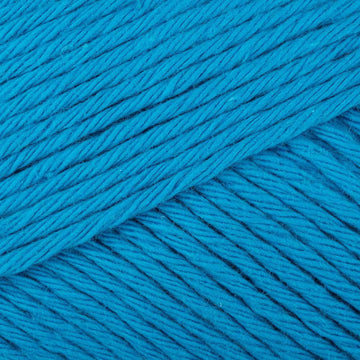 Paintbox Yarns Cotton Aran
$4.75
Paintbox Yarns Cotton Aran
$4.75
-
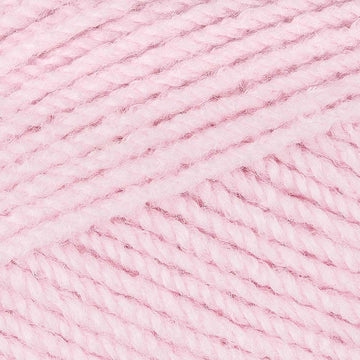 Paintbox Yarns Simply Chunky
$2.93
Paintbox Yarns Simply Chunky
$2.93
-
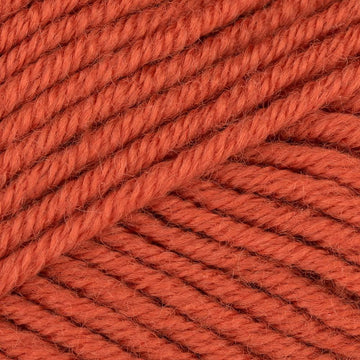 Debbie Bliss Baby Cashmerino
$7.70
Debbie Bliss Baby Cashmerino
$7.70
-
 Stylecraft Special Chunky
$3.59
Stylecraft Special Chunky
$3.59
-
 Stylecraft Special Aran
$4.79
Stylecraft Special Aran
$4.79
-
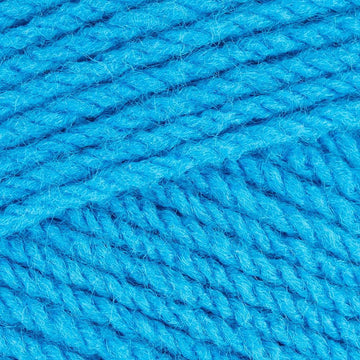 Hayfield Bonus DK
From $4.49
Hayfield Bonus DK
From $4.49
-
 Debbie Bliss Cashmerino Aran
$7.70
Debbie Bliss Cashmerino Aran
$7.70
-
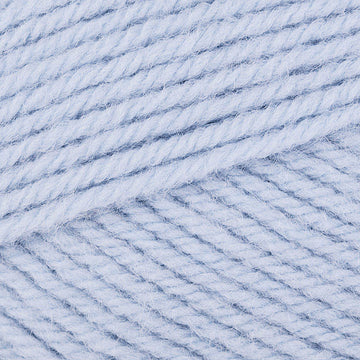 Paintbox Yarns Baby DK
$5.00
Paintbox Yarns Baby DK
$5.00
-
 Paintbox Yarns Simply DK 5 Ball Value Pack
$20.25
Paintbox Yarns Simply DK 5 Ball Value Pack
$20.25
-
 Paintbox Yarns Cotton DK 5 Ball Value Pack
$21.38
Paintbox Yarns Cotton DK 5 Ball Value Pack
$21.38
-
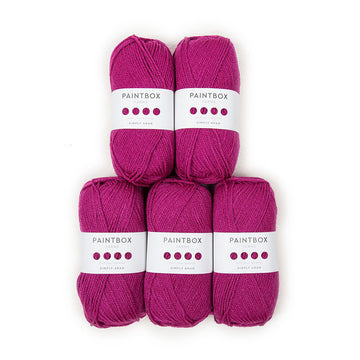 Paintbox Yarns Simply Aran 5 Ball Value Pack
$20.25
Paintbox Yarns Simply Aran 5 Ball Value Pack
$20.25
-
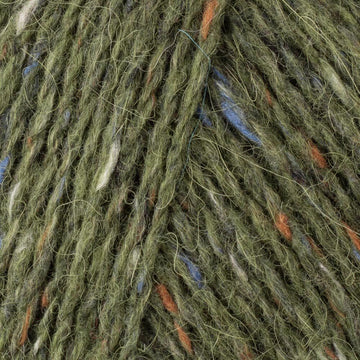 Rowan Felted Tweed
From $15.49
Rowan Felted Tweed
From $15.49
-
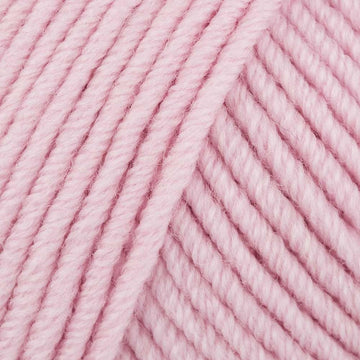 Debbie Bliss Rialto DK
$7.70
Debbie Bliss Rialto DK
$7.70
-
 Cascade Yarns 220 Superwash
$14.25
Cascade Yarns 220 Superwash
$14.25
-
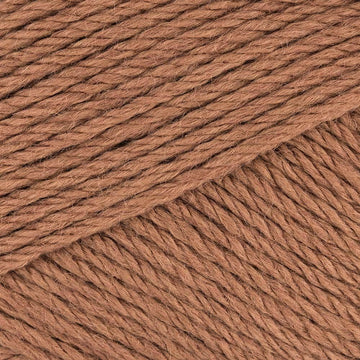 Paintbox Yarns Wool Mix Aran
$6.34
Paintbox Yarns Wool Mix Aran
$6.34
-
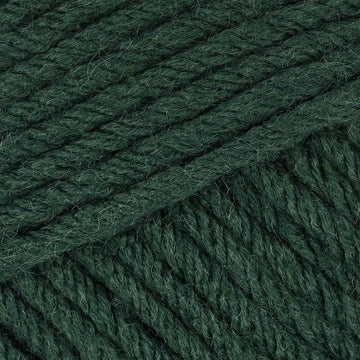 Paintbox Yarns Wool Mix Super Chunky
$9.75
Paintbox Yarns Wool Mix Super Chunky
$9.75
-
 King Cole Pricewise DK
$4.90
King Cole Pricewise DK
$4.90
-
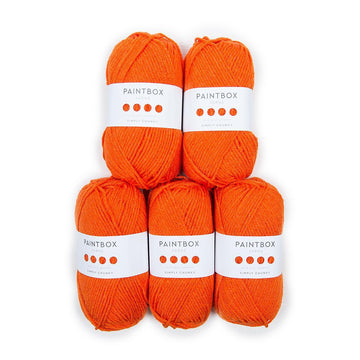 Paintbox Yarns Simply Chunky 5 Ball Value Pack
$20.25
Paintbox Yarns Simply Chunky 5 Ball Value Pack
$20.25
-
 Sirdar Snuggly DK
From $4.89
Sirdar Snuggly DK
From $4.89
-
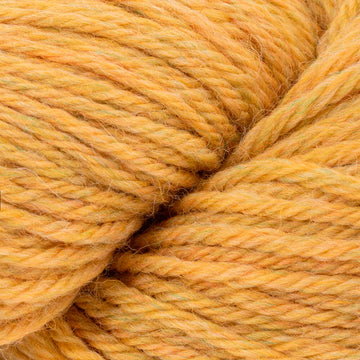 Cascade Yarns 220
$9.76
Cascade Yarns 220
$9.76
-
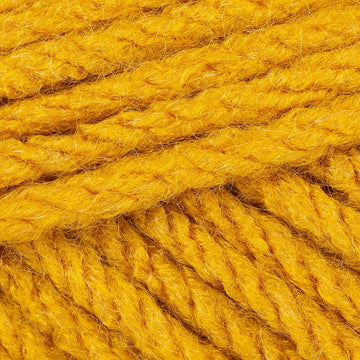 King Cole Big Value Super Chunky
$4.16
King Cole Big Value Super Chunky
$4.16
-
 MillaMia Naturally Soft Merino
$7.70
MillaMia Naturally Soft Merino
$7.70
-
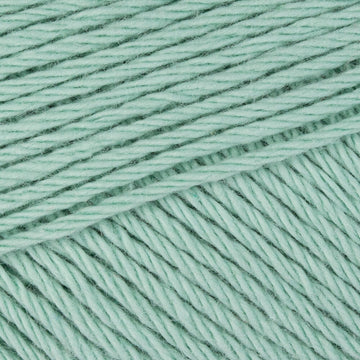 Paintbox Yarns Cotton 4 ply
$4.85
Paintbox Yarns Cotton 4 ply
$4.85
-
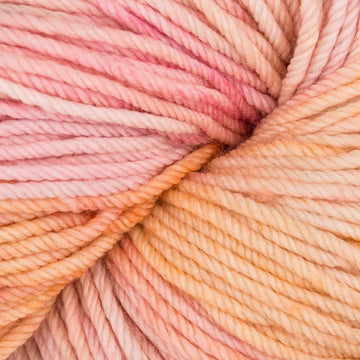 Malabrigo Rios
$17.90
Malabrigo Rios
$17.90
-
 Paintbox Yarns Cotton Aran 5 Ball Value Pack
$21.38
Paintbox Yarns Cotton Aran 5 Ball Value Pack
$21.38
-
 Cascade Yarns Heritage
$12.00
Cascade Yarns Heritage
$12.00
-
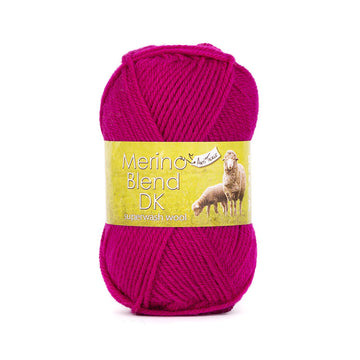 King Cole Merino Blend DK
$7.90
King Cole Merino Blend DK
$7.90
-
 MillaMia Naturally Soft Aran
$7.70
MillaMia Naturally Soft Aran
$7.70
-
 Stylecraft Life DK
From $4.11
Stylecraft Life DK
From $4.11
-
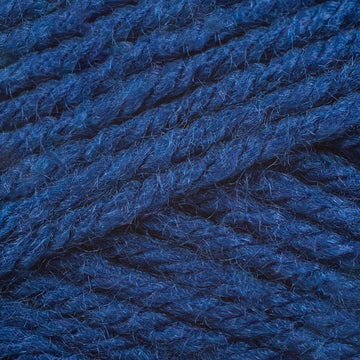 Lion Brand Vanna's Choice
From $4.99
Lion Brand Vanna's Choice
From $4.99
-
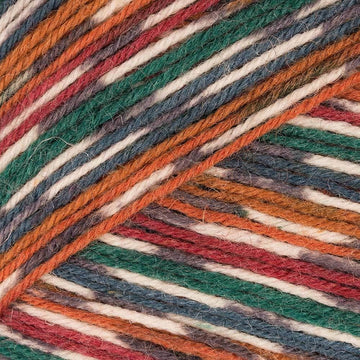 West Yorkshire Spinners Signature 4 Ply
From $12.99
West Yorkshire Spinners Signature 4 Ply
From $12.99
-
 Sirdar Happy Cotton
$2.15
Sirdar Happy Cotton
$2.15
-
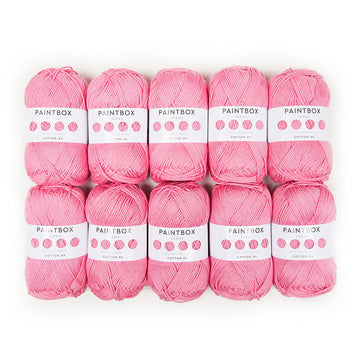 Paintbox Yarns Cotton DK 10 Ball Value Pack
$28.50
Paintbox Yarns Cotton DK 10 Ball Value Pack
$28.50


