

2 Ply Crochet Patterns
2 ply crochet patterns for the finest, most delicate work: lace shawls and wraps, airy summer tops, lightweight cardigans and fine amigurumi detail. Worked in laceweight yarn on a small hook, 2 ply crochet gives you the drape and the openwork that heavier yarns simply cannot produce. Shop lace yarn, browse shawl crochet patterns, or step up a weight with 4 ply crochet patterns.
read more
-
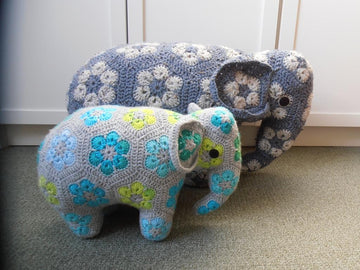 Loxodonta & Elephas the african flower elephants
$7.14
Loxodonta & Elephas the african flower elephants
$7.14
-
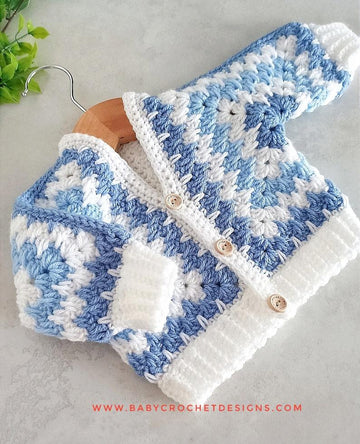 Cosy Hexi Cardi
$9.16
Cosy Hexi Cardi
$9.16
-
 Fractal
$4.47
Fractal
$4.47
-
 Alfresco Top
$10.64
Alfresco Top
$10.64
-
 Abigail Scarf & Shawl
$10.20
Abigail Scarf & Shawl
$10.20
-
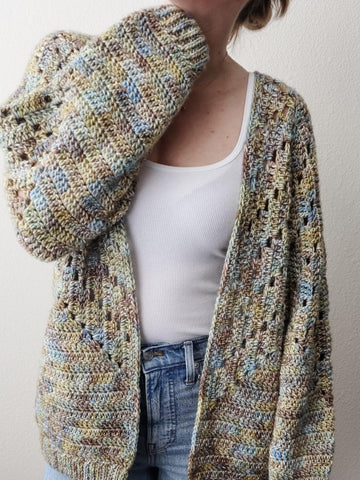 Homebody Cardi
$13.62
Homebody Cardi
$13.62
-
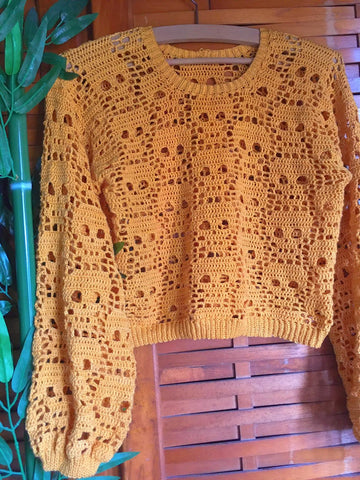 Crochet Halloween Sweater: Skulls and Cones
$14.19
Crochet Halloween Sweater: Skulls and Cones
$14.19
-
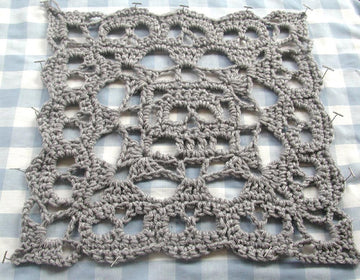 Creepy Granny Skull Infinity Square # 2
$3.55
Creepy Granny Skull Infinity Square # 2
$3.55
-
 Haven Jumper
$13.11
Haven Jumper
$13.11
-
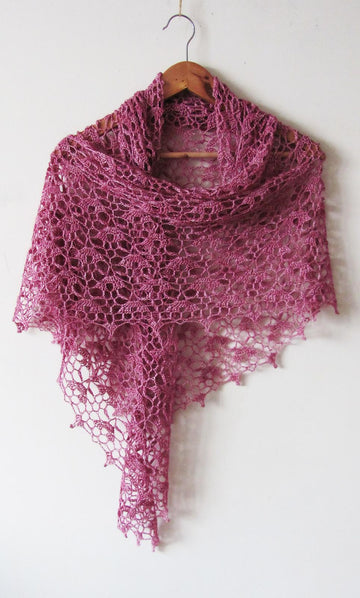 Damask Rose
$8.51
Damask Rose
$8.51
-
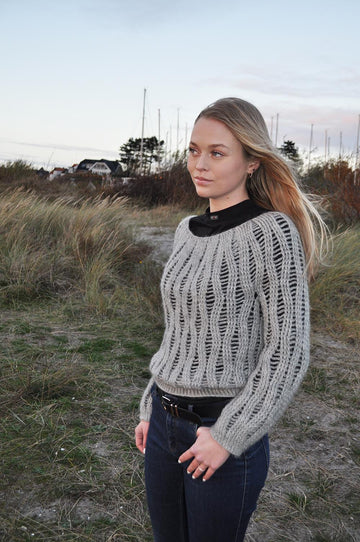 Bark sweater
$13.10
Bark sweater
$13.10
-
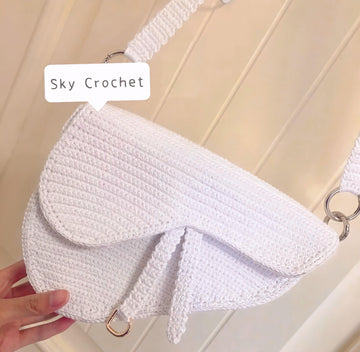 Crochet Dior Saddle Bag
$4.26
Crochet Dior Saddle Bag
$4.26
-
 Amelia Shawl - Crochet Pattern For Women in Willow & Lark Plume
$3.99
Amelia Shawl - Crochet Pattern For Women in Willow & Lark Plume
$3.99
-
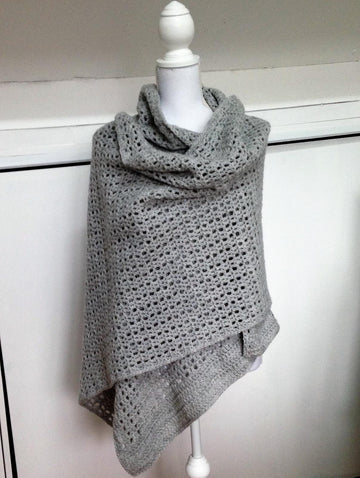 Simplicity Wrap
$6.88
Simplicity Wrap
$6.88
-
 Kokon Lace Shawl
$9.73
Kokon Lace Shawl
$9.73
-
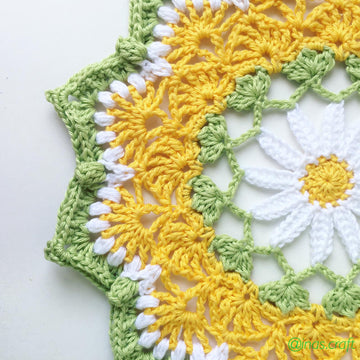 Daisily Doily
$1.42
Daisily Doily
$1.42
-
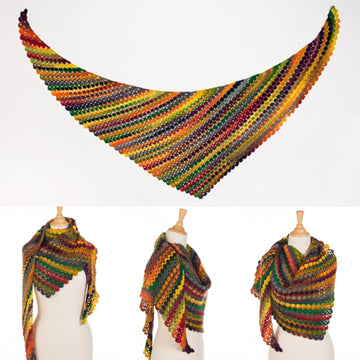 Flam(m)e Shawl
$7.76
Flam(m)e Shawl
$7.76
-
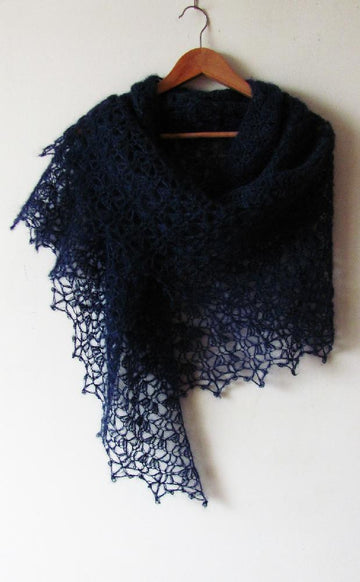 Ink Night
$8.51
Ink Night
$8.51
-
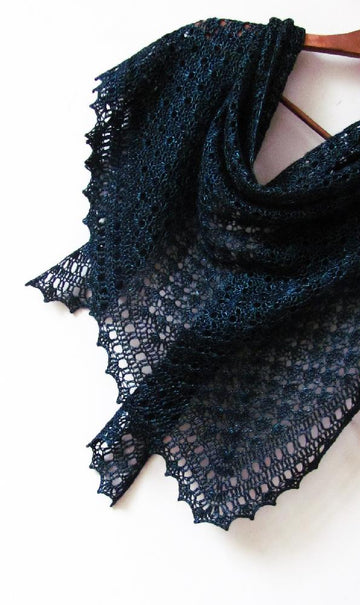 Black Sea
$8.51
Black Sea
$8.51
-
 Angel wisp shawl
$7.64
Angel wisp shawl
$7.64
-
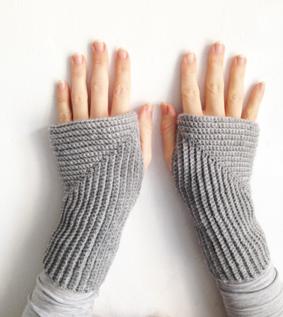 Angle wrist warmers
$11.46
Angle wrist warmers
$11.46
-
 Bonnie's EASY Summer Top
$8.50
Bonnie's EASY Summer Top
$8.50
-
 Audrey 2
$11.43
Audrey 2
$11.43
-
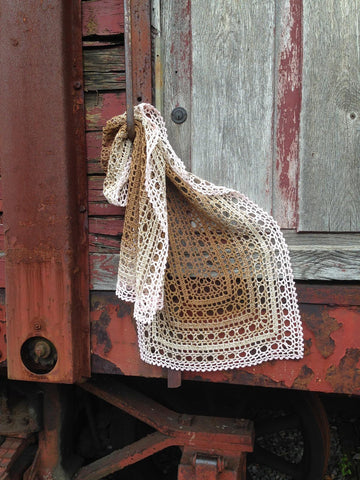 Biscuit Shawl
$7.76
Biscuit Shawl
$7.76
-
 Jo's Shawlette
$11.35
Jo's Shawlette
$11.35
-
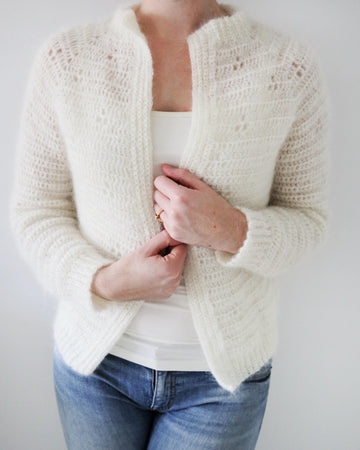 Lime Berry Cardigan
$9.82
Lime Berry Cardigan
$9.82
-
 Miranda Crochet Summer Top
$7.64
Miranda Crochet Summer Top
$7.64
-
 Winnie the Pooh
$7.30
Winnie the Pooh
$7.30
-
 Single skein crochet shawl
$8.80
Single skein crochet shawl
$8.80
-
 Margaret Granny Square Pullover
$5.57
Margaret Granny Square Pullover
$5.57
-
 Margo Barbie Jumper
$9.93
Margo Barbie Jumper
$9.93
-
 Crochet Bunny
$8.59
Crochet Bunny
$8.59
-
 Of Sails and Waves
$10.31
Of Sails and Waves
$10.31
-
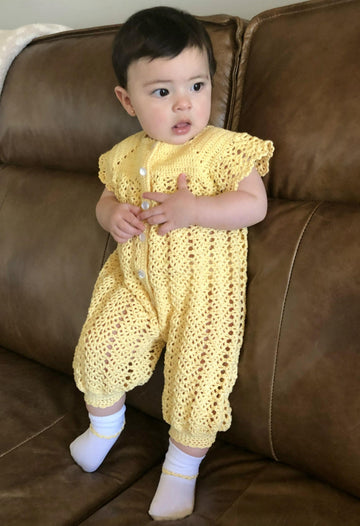 Baby Girl Romper/Jumpsuit
$9.37
Baby Girl Romper/Jumpsuit
$9.37
-
 Mosaic Jumper
$15.27
Mosaic Jumper
$15.27
-
 Steve from "Minecraft" by AradiyaToys
$5.66
Steve from "Minecraft" by AradiyaToys
$5.66
-
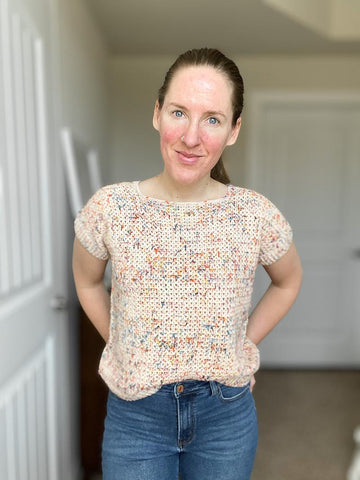 Triunity Tee
$12.77
Triunity Tee
$12.77
-
 Mohair flower brooch
$6.20
Mohair flower brooch
$6.20
-
 Doll clothes collection 'Swing'
$5.65
Doll clothes collection 'Swing'
$5.65
-
 Midnight Wrap
$10.22
Midnight Wrap
$10.22
-
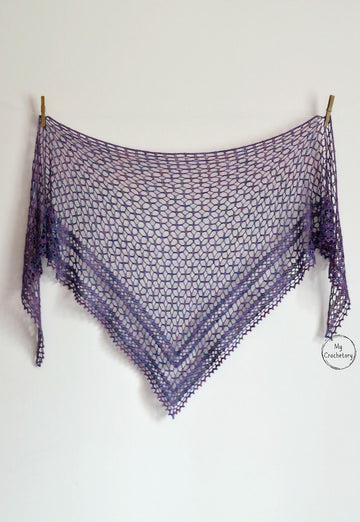 Nightfall Shawl
$3.44
Nightfall Shawl
$3.44
-
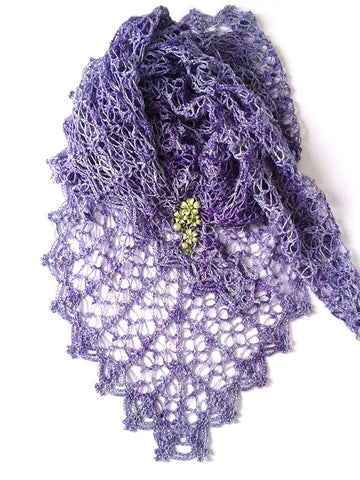 Lavender Path Shawl
$4.62
Lavender Path Shawl
$4.62
-
 Shine Top
$9.34
Shine Top
$9.34
-
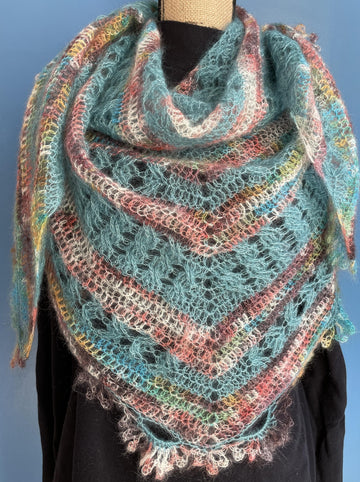 The Liberty Shawl
$8.50
The Liberty Shawl
$8.50
-
 Stephanie's Wrap
$10.64
Stephanie's Wrap
$10.64
-
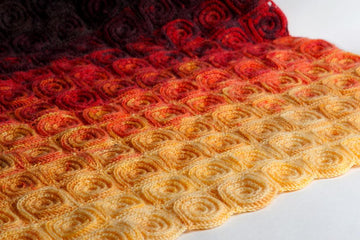 Fire Blanket
$8.59
Fire Blanket
$8.59
-
 Black Diamond
$8.51
Black Diamond
$8.51
-
 Lacy square motif (1)
$5.71
Lacy square motif (1)
$5.71
-
 Diamonds and Tassels Shawl
$8.59
Diamonds and Tassels Shawl
$8.59
-
 Crochet easy cardigan
$2.93
Crochet easy cardigan
$2.93


