Your selection may affect price, shipping options and product availability.

Suggested countries


All countries

Tweed Yarn

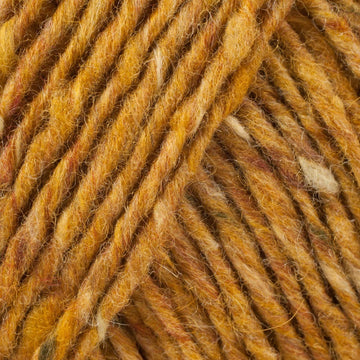
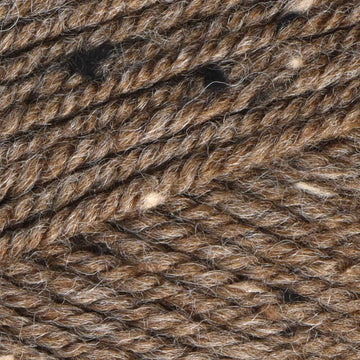
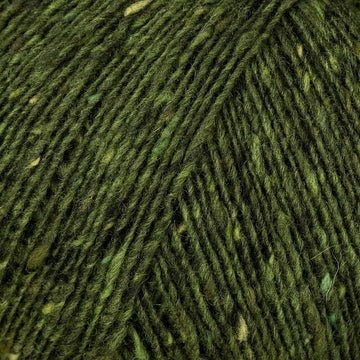
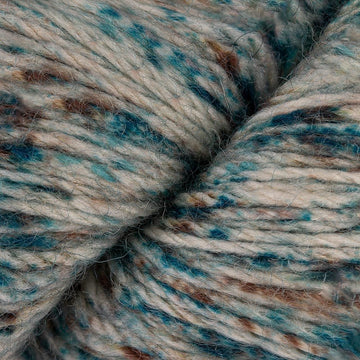
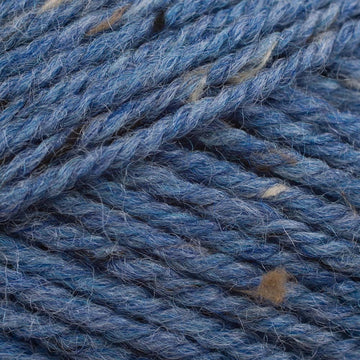
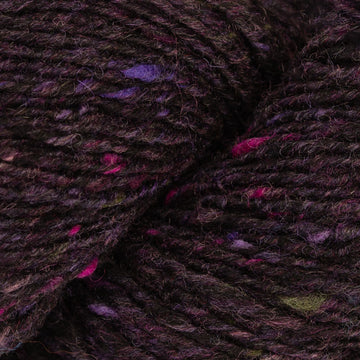
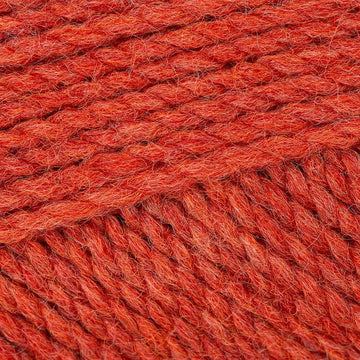
Tweed yarn and tweed wool flecked with contrast neps, in shades that read as one colour from a distance and half a dozen up close. It is a hard-wearing, slightly rustic wool that suits jackets, outerwear, cushions and anything you want to look better after a few winters. Shop tweeds from Rowan and King Cole, compare it with soft merino wool yarn, or find a project in knitting patterns.
read more

What tweed yarn actually is

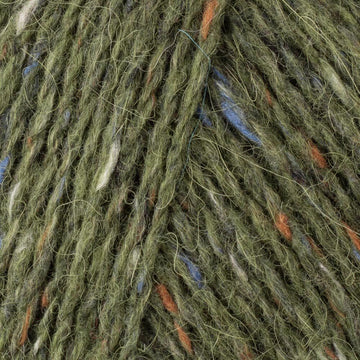
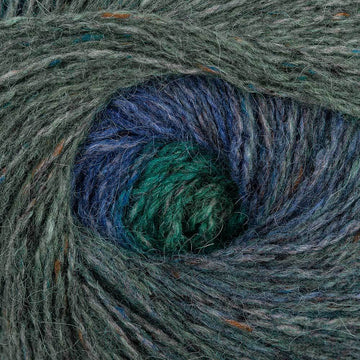
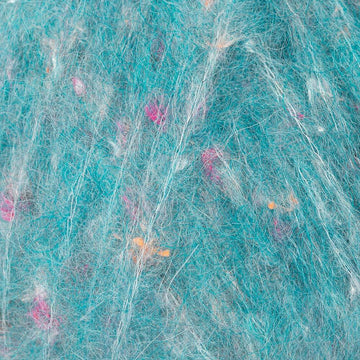
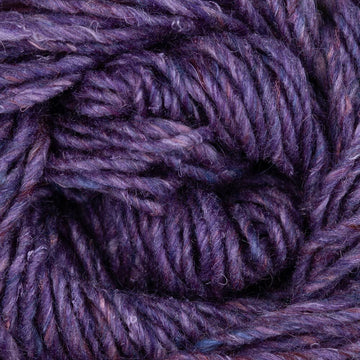
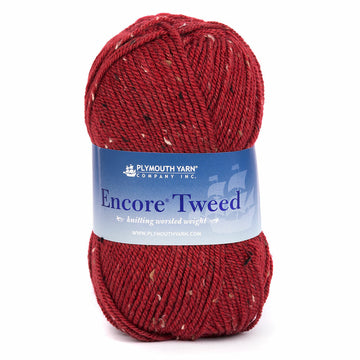
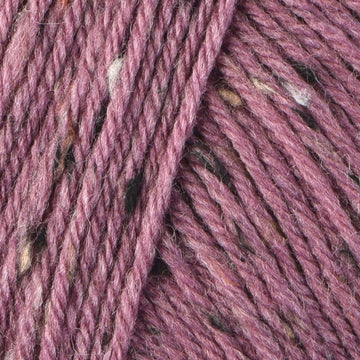
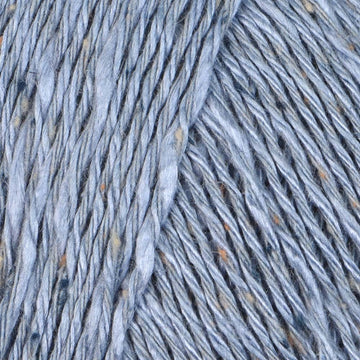
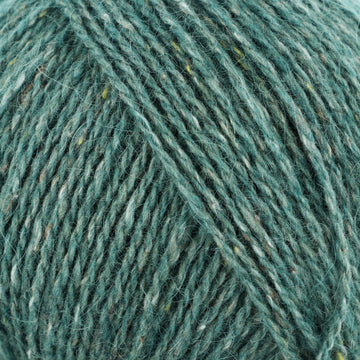
Tweed yarn is spun with small flecks of contrasting fibre — the neps — caught into the base colour. The effect is a heathered, textured yarn that never looks flat: a green tweed will hold specks of rust, gold and blue, so it changes with the light and sits happily next to a wide range of other colours. The wool used tends to be sturdier and a little more rustic than a fine merino, which is exactly what you want in a coat or a cushion, and most tweeds soften noticeably after their first wash and a season of wear.

What tweed is good for

  • Jackets and outerwear: the classic use. Tweed holds structure and resists wear at the elbows.
  • Cabled and textured jumpers: the neps sit inside the texture rather than competing with it.
  • Colourwork and Fair Isle: tweed's flecks blend adjacent colours beautifully and hide small tension irregularities.
  • Hats, mitts and scarves: hard-wearing accessories with real character from a single ball or two.
  • Cushions, throws and home makes: where durability matters more than softness against the neck.

Weights and how they knit up

Tweeds are sold across the range, from 4 ply through DK and aran to chunky. Fine tweeds make elegant fitted garments and colourwork yokes; aran and chunky tweeds are the ones for a proper winter jacket, since they knit fast and give a thick, weatherly fabric. As with any yarn, buy by metreage rather than ball count, keep to a single dye lot, and knit a tension square in the actual stitch pattern. Wash and dry the square before measuring — tweed in particular can bloom and soften after its first bath, and the fabric you end up wearing is the washed one, not the one straight off the needles.

Working with a rustic wool

Some tweeds feel dry or slightly scratchy in the ball, and knitters occasionally abandon them for that reason before finishing a swatch. Wash the swatch. A great many tweeds transform completely: the fibres relax, the fabric fills out and the harshness disappears. Because the yarn has grip, tweed is also unusually well behaved in stranded colourwork, where a slightly sticky wool is a positive advantage, and steeks cut into tweed hold far better than they would in a smooth superwash. On needles, a wooden or bamboo needle gives useful control with a grippy yarn.

Cables, stitch patterns and colour

Deep cables, moss stitch, seed stitch and simple textured panels all suit tweed, because the fleck adds interest without needing an elaborate pattern. Very fine lace is the one place tweed struggles: the neps interrupt the clean line of the yarn overs. If you want a heritage look, pair a tweed with garter stitch borders and horn or wooden buttons; if you want something more modern, work a chunky tweed in plain stocking stitch and let the colour do all the work.

Care and finishing

Block wool tweed wet: soak in lukewarm water with a wool wash, press out the water in a towel and pat into shape to dry flat. Seam with mattress stitch in a smoother yarn of the same colour if the tweed is too textured to pull through cleanly. Wash by hand unless the ball band states superwash, keep it away from radiators when drying, and fold rather than hang. A little pilling in the first weeks is normal as loose fibres work free; a fabric comb sorts it out and the garment settles down.

Tweed yarn questions

Is tweed wool itchy? It can feel dry in the ball, but most tweeds soften considerably once washed and worn.

What should I knit with tweed yarn? Jackets, cabled jumpers, accessories, colourwork and home furnishings — anything wanting durability and texture.

Can I use tweed for lace? It is not ideal, since the flecks obscure fine openwork. Choose a smooth yarn for lace instead.

How do I wash tweed? By hand in lukewarm water with wool wash, dried flat, unless the ball band says it is superwash.

Where to go next

Tweed is a wool yarn with flecks spun through it, so also browse wool yarn, 100% wool and merino. Tweeds are at their best in colourwork and cables at DK and aran weight, with a few chunky ranges.

Added to your cart!

Your Cart Is Empty

Start Shopping