

Fingerless Gloves Knitting Patterns
Fingerless gloves and mitts knitting patterns, from plain ribbed wrist warmers you can knit in an evening to cabled and colourwork designs with a shaped thumb gusset. Most take well under 100g of DK or aran, which makes them the classic use for a single special skein. Find more hand warmers in gloves and mittens knitting patterns, knit a matching hat, or browse all accessories knitting patterns.
read more
-
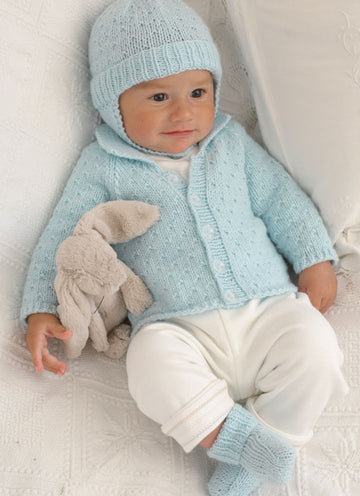 Cardigans, Hats, Mittens and Bootees in Sirdar Snuggly DK - 1815 - Downloadable PDF
£3.85
Cardigans, Hats, Mittens and Bootees in Sirdar Snuggly DK - 1815 - Downloadable PDF
£3.85
-
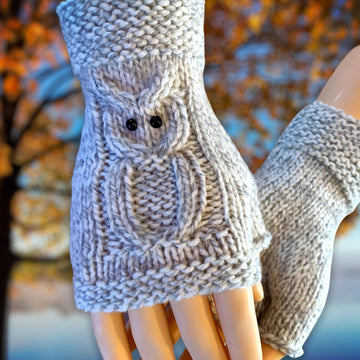 Easy Owl Fingerless Gloves
£2.97
Easy Owl Fingerless Gloves
£2.97
-
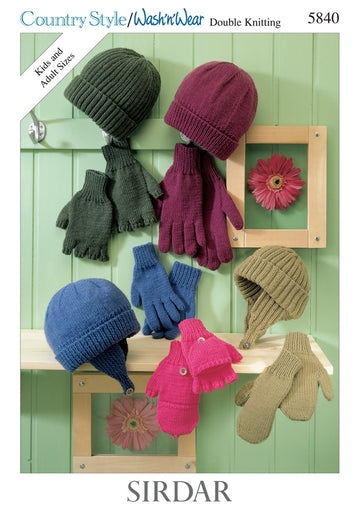 Hat and Gloves in Sirdar Country Style DK and Wash 'n' Wear Double Crepe DK - 5840 - Downloadable PDF
£3.85
Hat and Gloves in Sirdar Country Style DK and Wash 'n' Wear Double Crepe DK - 5840 - Downloadable PDF
£3.85
-
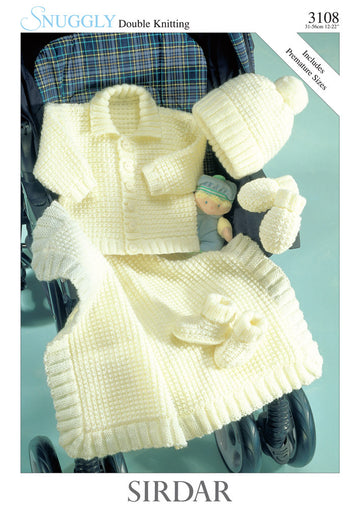 Jacket, Hat, Mittens, Bootees and Blanket in Sirdar Snuggly DK - 3108 - Downloadable PDF
£3.85
Jacket, Hat, Mittens, Bootees and Blanket in Sirdar Snuggly DK - 3108 - Downloadable PDF
£3.85
-
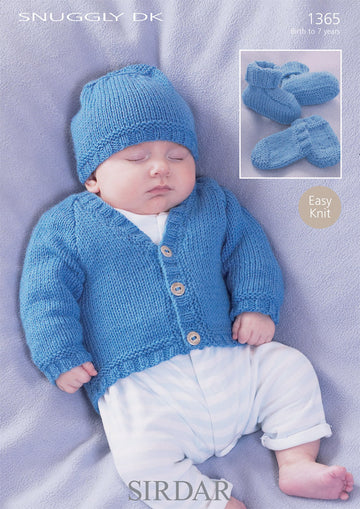 Cardigan, Bootees, Hat and Mittens in Sirdar Snuggly DK - 1365 - Downloadable PDF
£3.85
Cardigan, Bootees, Hat and Mittens in Sirdar Snuggly DK - 1365 - Downloadable PDF
£3.85
-
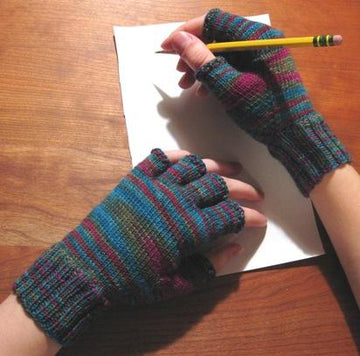 Fitted Fingerless Gloves
£4.73
Fitted Fingerless Gloves
£4.73
-
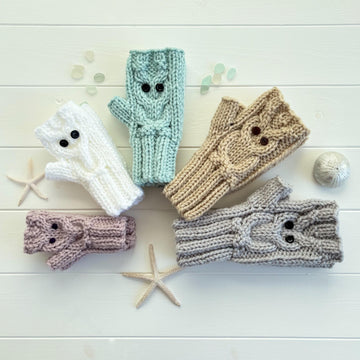 'Owl fingerless mitts' 2yrs to adult
£3.60
'Owl fingerless mitts' 2yrs to adult
£3.60
-
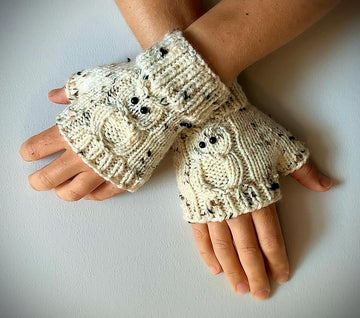 Fingerless Gloves – with OWLS! Includes How-to Video
£2.97
Fingerless Gloves – with OWLS! Includes How-to Video
£2.97
-
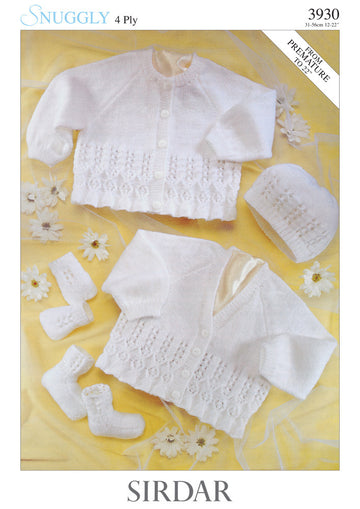 Cardigan, Hat, Mittens and Bootees in Sirdar Snuggly 4 Ply 50g - 3930 - Downloadable PDF
£3.85
Cardigan, Hat, Mittens and Bootees in Sirdar Snuggly 4 Ply 50g - 3930 - Downloadable PDF
£3.85
-
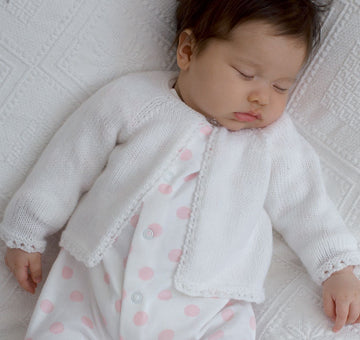 Cardigans, Bonnet, Mittens and Bootees in Sirdar Snuggly 4 Ply 50g - 1818 - Downloadable PDF
£3.85
Cardigans, Bonnet, Mittens and Bootees in Sirdar Snuggly 4 Ply 50g - 1818 - Downloadable PDF
£3.85
-
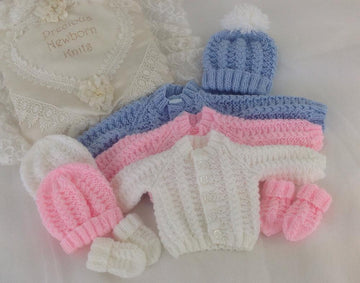 Pattern 54 Babies Cosy Cardigan Set - Sizes: Early Baby & 0-3 Months
£4.90
Pattern 54 Babies Cosy Cardigan Set - Sizes: Early Baby & 0-3 Months
£4.90
-
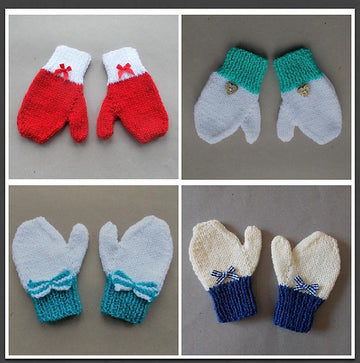 No Trouble Toddler & Young Child Mittens
£1.20
No Trouble Toddler & Young Child Mittens
£1.20
-
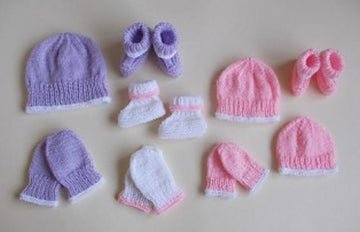 Marianna's Little Baby Hat, Mittens & Bootees Set
£1.80
Marianna's Little Baby Hat, Mittens & Bootees Set
£1.80
-
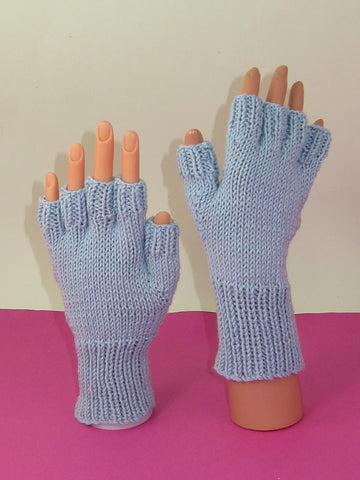 Simple Short Finger Gloves
£3.00
Simple Short Finger Gloves
£3.00
-
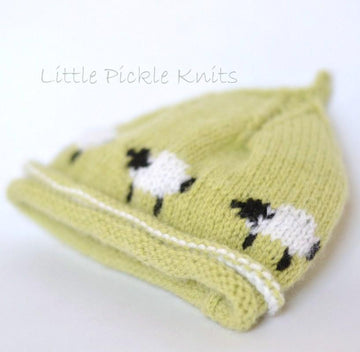 Baby Beanie 'Little Baa Baa'
£4.00
Baby Beanie 'Little Baa Baa'
£4.00
-
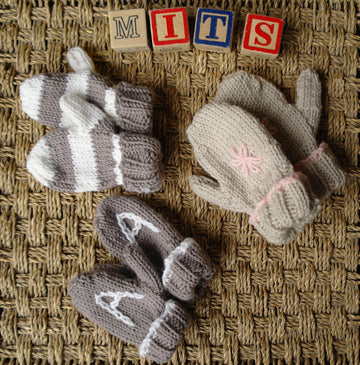 Easy baby and toddler mittens
£4.00
Easy baby and toddler mittens
£4.00
-
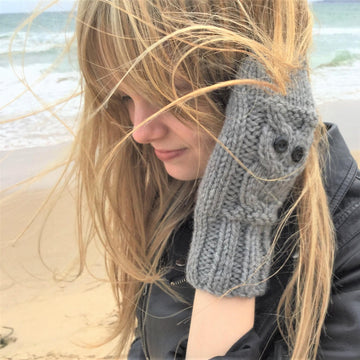 “Owl” Mitts 5 sizes
£3.60
“Owl” Mitts 5 sizes
£3.60
-
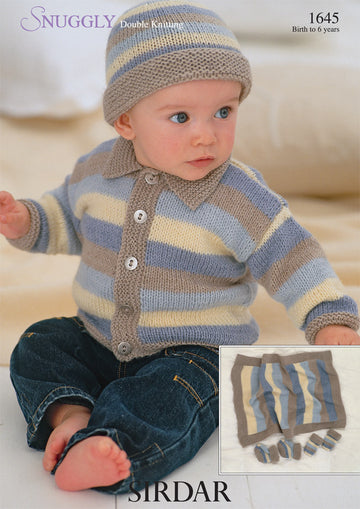 Cardigan, Blanket, Hat, Mittens and Bootees in Sirdar Snuggly DK - 1645 - Downloadable PDF
£3.85
Cardigan, Blanket, Hat, Mittens and Bootees in Sirdar Snuggly DK - 1645 - Downloadable PDF
£3.85
-
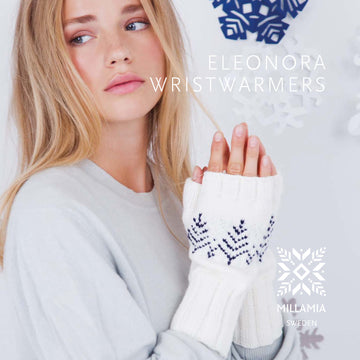 "Eleonora Wristwarmers" - Gloves Knitting Pattern in MillaMia Naturally Soft Merino
£3.90
"Eleonora Wristwarmers" - Gloves Knitting Pattern in MillaMia Naturally Soft Merino
£3.90
-
 Jackets, Hat, Bootees and Mittens in Sirdar Snuggly DK - 3949 - Downloadable PDF
£3.85
Jackets, Hat, Bootees and Mittens in Sirdar Snuggly DK - 3949 - Downloadable PDF
£3.85
-
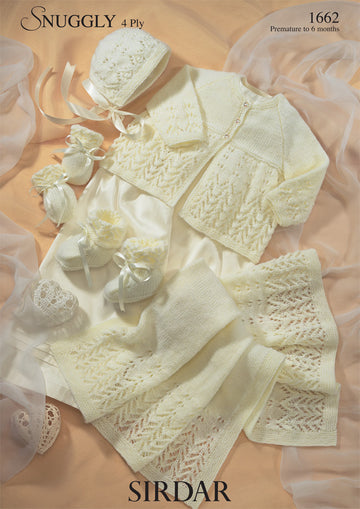 Lacy Matinee Set in Sirdar Snuggly 4 ply 50g - 1662 - Downloadable PDF
£3.85
Lacy Matinee Set in Sirdar Snuggly 4 ply 50g - 1662 - Downloadable PDF
£3.85
-
 Forget-Me-Not Mittens
£2.92
Forget-Me-Not Mittens
£2.92
-
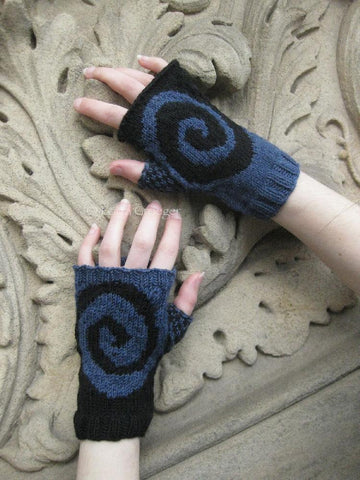 Meander Mitten
£3.00
Meander Mitten
£3.00
-
 Jacket, Mittens, Bootees and Bonnet in Sirdar Snuggly Baby Crofter DK and Snowflake DK - 4795 - Downloadable PDF
£3.85
Jacket, Mittens, Bootees and Bonnet in Sirdar Snuggly Baby Crofter DK and Snowflake DK - 4795 - Downloadable PDF
£3.85
-
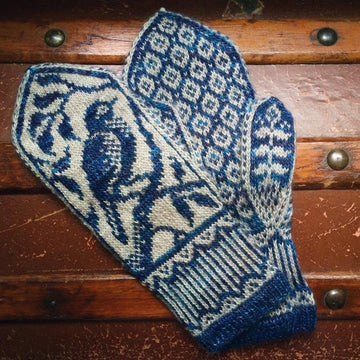 Songbird Mittens
£4.46
Songbird Mittens
£4.46
-
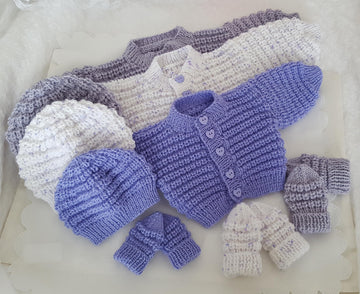 Snuggly Baby Cardigan, Hat & Mittens
£4.90
Snuggly Baby Cardigan, Hat & Mittens
£4.90
-
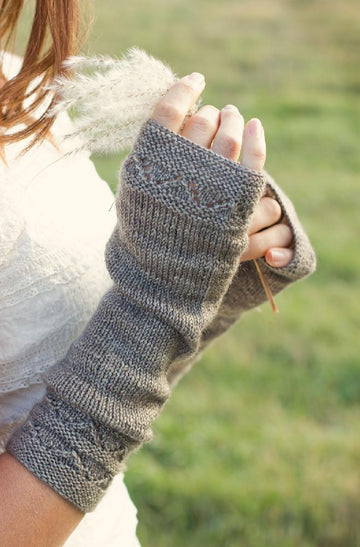 A Time To Reap
£1.57
A Time To Reap
£1.57
-
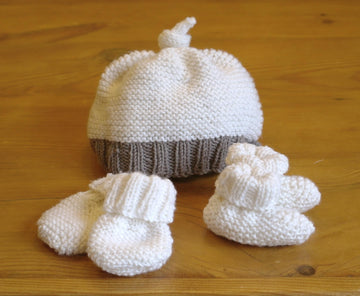 Easy Baby Hat, Booties & Mittens set
£3.80
Easy Baby Hat, Booties & Mittens set
£3.80
-
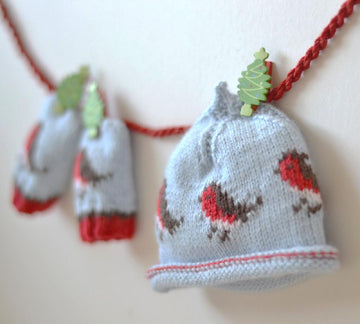 Baby beanie and baby mittens CHRISTMAS ROBINS BUNDLE OFFER!
£6.00
Baby beanie and baby mittens CHRISTMAS ROBINS BUNDLE OFFER!
£6.00
-
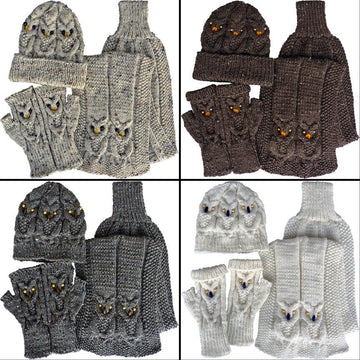 OWL Gloves, Hat & Scarf
£4.45
OWL Gloves, Hat & Scarf
£4.45
-
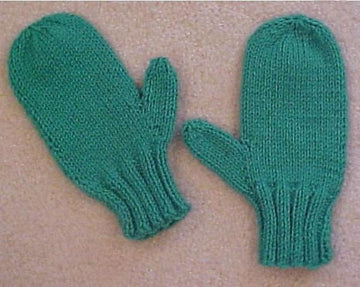 Ladies 2 Needle Mittens
£1.67
Ladies 2 Needle Mittens
£1.67
-
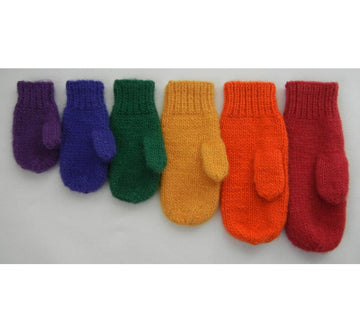 Radiator Mittens
£3.81
Radiator Mittens
£3.81
-
 Baby Mittens 'Little Baa Baa'
£4.00
Baby Mittens 'Little Baa Baa'
£4.00
-
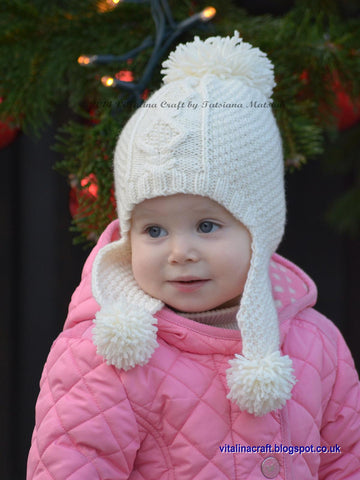 Frosty Morning Hat, Cowl and Mittens Set
£3.34
Frosty Morning Hat, Cowl and Mittens Set
£3.34
-
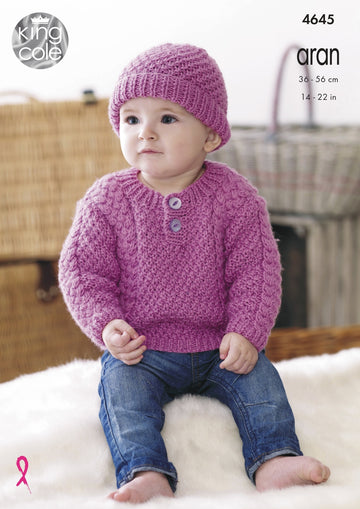 Sweater, Trousers, Hat & Mittens in King Cole Comfort Aran - 4645 - Downloadable PDF
£2.99
Sweater, Trousers, Hat & Mittens in King Cole Comfort Aran - 4645 - Downloadable PDF
£2.99
-
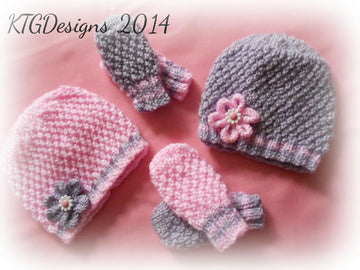 'Grace' Hat & Mitts Set
£3.00
'Grace' Hat & Mitts Set
£3.00
-
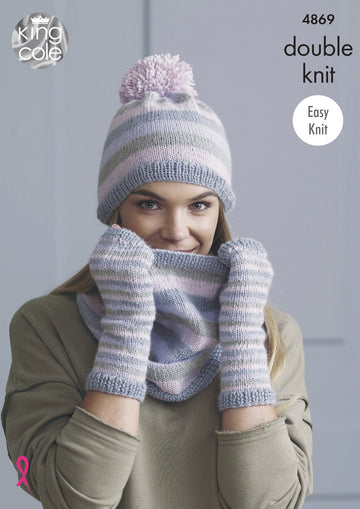 Snoods , Hats, & Mitts in King Cole Baby Alpaca Dk - 4869 - Downloadable PDF
£2.99
Snoods , Hats, & Mitts in King Cole Baby Alpaca Dk - 4869 - Downloadable PDF
£2.99
-
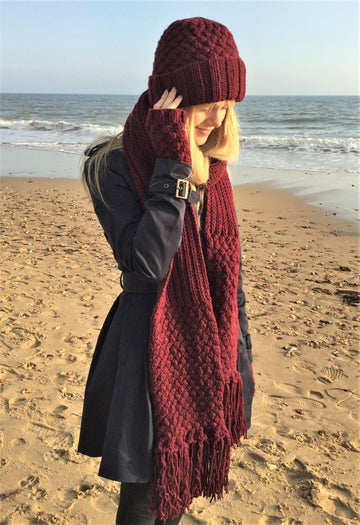 “Yvonne” scarf, hat and gloves
£3.60
“Yvonne” scarf, hat and gloves
£3.60
-
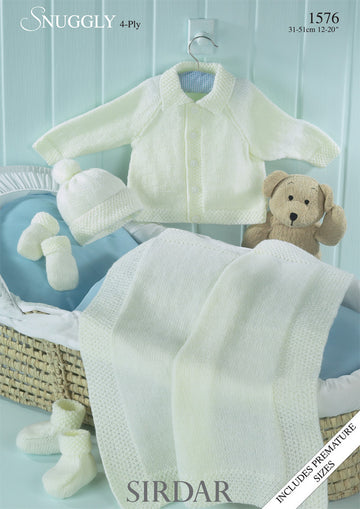 Jacket, Hat, Mittens, Bootees and Blanket in Sirdar Snuggly 4 ply 50g - 1576 - Downloadable PDF
£3.85
Jacket, Hat, Mittens, Bootees and Blanket in Sirdar Snuggly 4 ply 50g - 1576 - Downloadable PDF
£3.85
-
 Kids 2 Needle Mittens
£1.48
Kids 2 Needle Mittens
£1.48
-
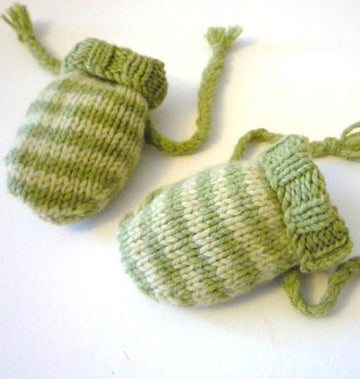 Easy Baby Stripe Mittens
£4.00
Easy Baby Stripe Mittens
£4.00
-
 Aurora Unicorn Mittens DK
£4.00
Aurora Unicorn Mittens DK
£4.00
-
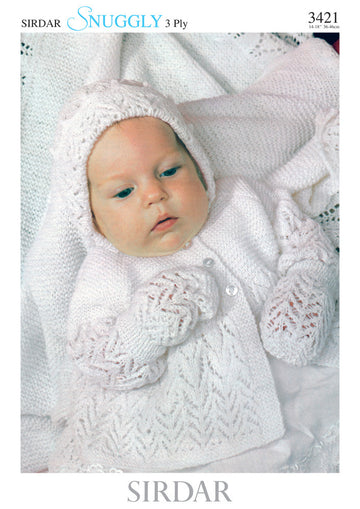 Layette in Sirdar Snuggly 3 Ply 50g - 3421 - Downloadable PDF
£3.85
Layette in Sirdar Snuggly 3 Ply 50g - 3421 - Downloadable PDF
£3.85
-
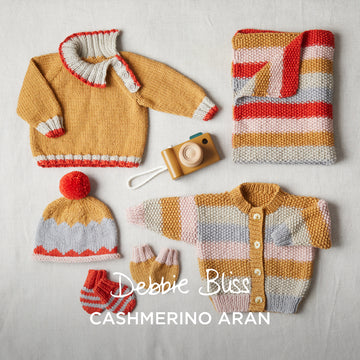 So Simple Stripes Layette - Knitting Pattern for Babies in Debbie Bliss Cashmerino Aran
£3.50
So Simple Stripes Layette - Knitting Pattern for Babies in Debbie Bliss Cashmerino Aran
£3.50
-
 Belladonna fingerless gloves
£1.56
Belladonna fingerless gloves
£1.56
-
 Sweet Heart Baby Hat and Mittens
£1.50
Sweet Heart Baby Hat and Mittens
£1.50
-
 Latvian Fingerless Mitts
£5.95
Latvian Fingerless Mitts
£5.95
-
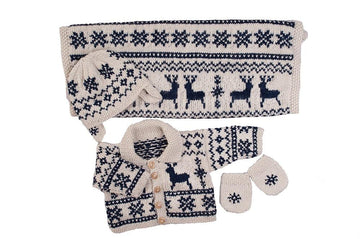 Nordic Knitted Pram Set
£3.50
Nordic Knitted Pram Set
£3.50
-
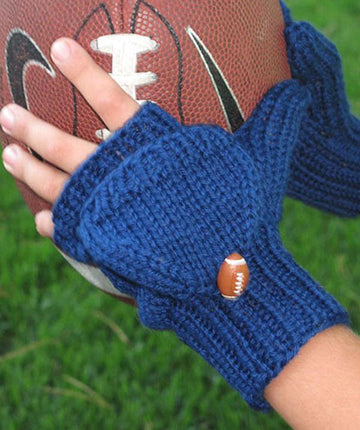 Pop Top Mittens
£2.60
Pop Top Mittens
£2.60


