

Crochet Doily Patterns
Crochet doily patterns to download, from small four-round coasters to large pineapple-stitch centrepieces worked in fine cotton thread. Doilies are the best possible practice in reading a round chart, and they are cheap to make: one ball of crochet cotton will get you through several. Browse more thread work in crochet patterns, free downloads in free crochet patterns, or the cotton itself in 100% cotton yarns.
read more
-
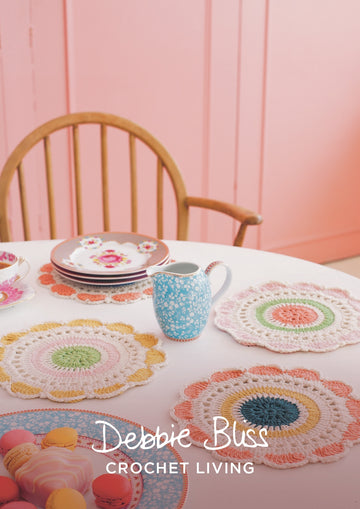 "Dashing Doilies" - Crochet Pattern For Home in Debbie Bliss Baby Cashmerino - DBS062
€4,25
"Dashing Doilies" - Crochet Pattern For Home in Debbie Bliss Baby Cashmerino - DBS062
€4,25
-
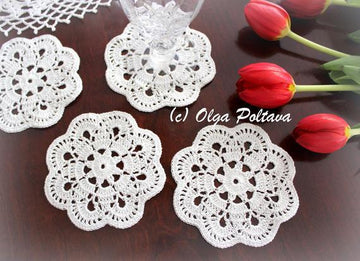 Doily Coaster
€4,14
Doily Coaster
€4,14
-
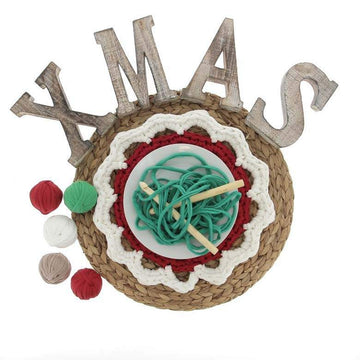 X - mas Doily and Coasters in Hoooked Zpagetti - Downloadable PDF
€2,95
X - mas Doily and Coasters in Hoooked Zpagetti - Downloadable PDF
€2,95
-
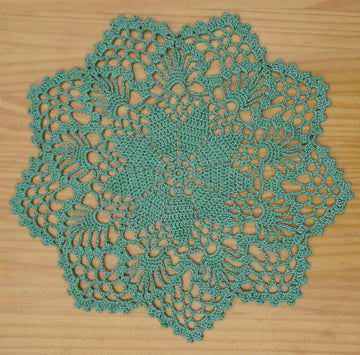 Nine Point Doily - PH-103
€3,63
Nine Point Doily - PH-103
€3,63
-
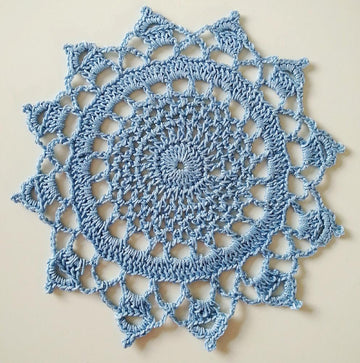 Dahlia doily
€1,74
Dahlia doily
€1,74
-
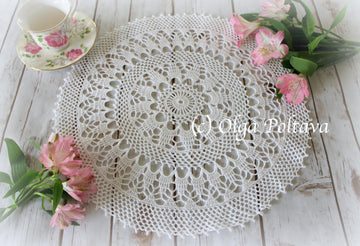 Alina Doily
€4,14
Alina Doily
€4,14
-
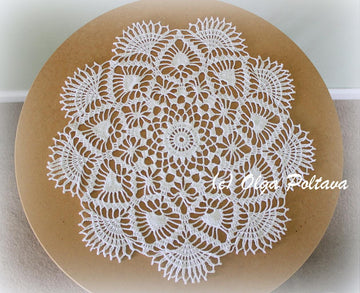 Spring Day Doily
€4,14
Spring Day Doily
€4,14
-
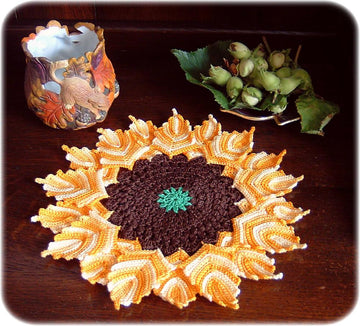 Sunflower doily
€3,85
Sunflower doily
€3,85
-
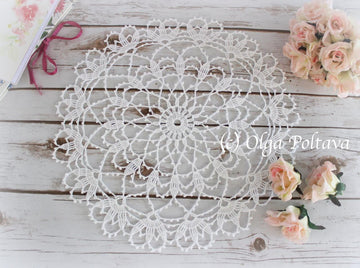 Katrina Doily
€4,14
Katrina Doily
€4,14
-
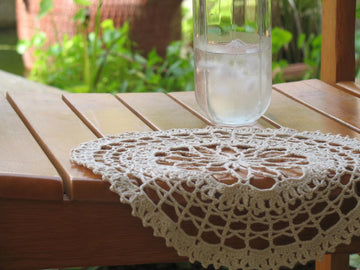 Tulip Doily
€1,82
Tulip Doily
€1,82
-
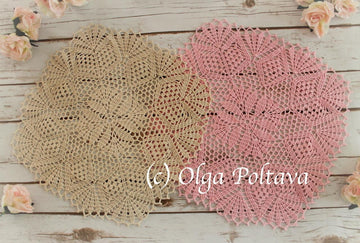 Anastasia Square Doily
€4,15
Anastasia Square Doily
€4,15
-
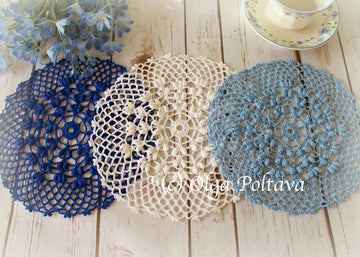 Ninfa Doily
€2,59
Ninfa Doily
€2,59
-
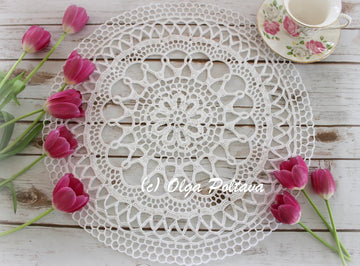 Valentina Doily
€4,14
Valentina Doily
€4,14
-
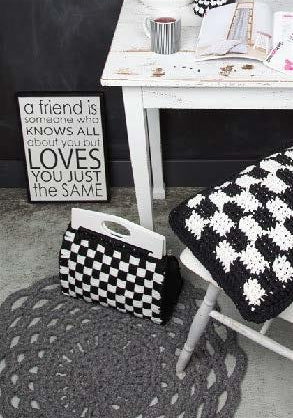 Doily Rug in Hoooked Zpagetti - Downloadable PDF
€1,50
Doily Rug in Hoooked Zpagetti - Downloadable PDF
€1,50
-
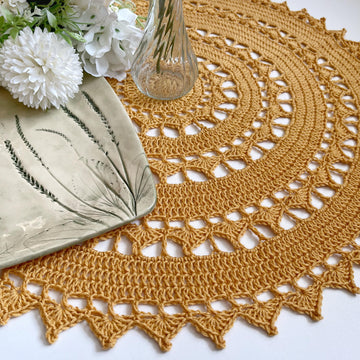 Following the Sun Doily
€3,27
Following the Sun Doily
€3,27
-
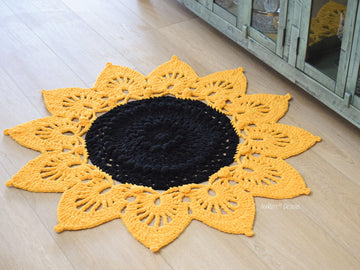 Sunflower Power Doily Rug
€8,32
Sunflower Power Doily Rug
€8,32
-
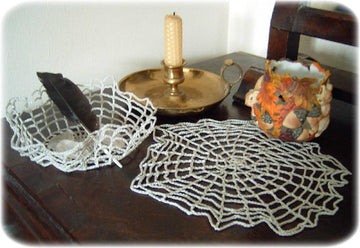 Spider's web doily and bowl
€3,85
Spider's web doily and bowl
€3,85
-
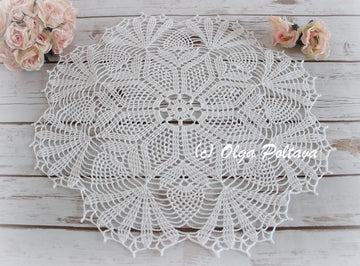 Pineapple Bouquet Doily
€4,14
Pineapple Bouquet Doily
€4,14
-
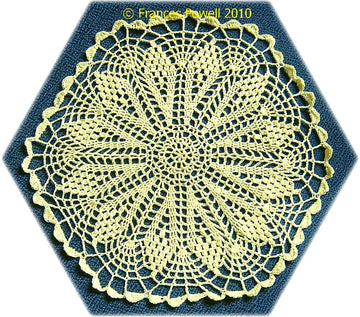 Hexagonal doily
€3,85
Hexagonal doily
€3,85
-
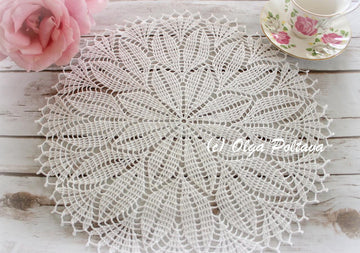 Spring Leaves Doily
€4,14
Spring Leaves Doily
€4,14
-
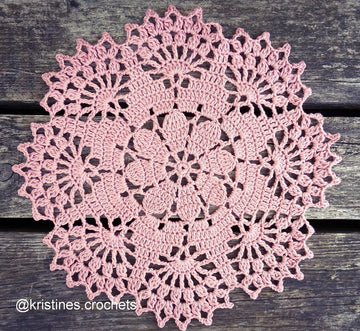 Blush Flower Doily
€4,80
Blush Flower Doily
€4,80
-
 Round Doily Bag - PA-229
€4,15
Round Doily Bag - PA-229
€4,15
-
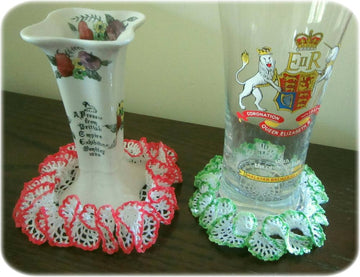 Gwenfrewi doily set
€2,80
Gwenfrewi doily set
€2,80
-
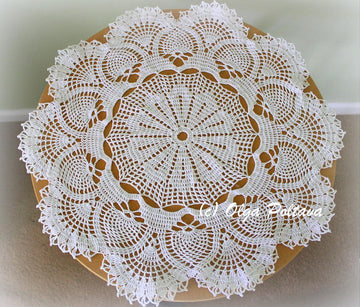 Pineapples and Fans Doily
€5,19
Pineapples and Fans Doily
€5,19
-
 Aloe polyphylla Doily / Table mat
€4,00
Aloe polyphylla Doily / Table mat
€4,00
-
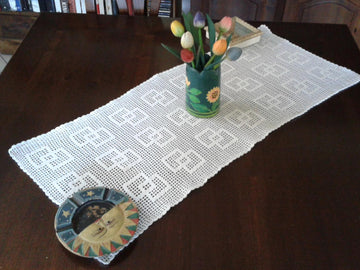 Easy table runner filet doily
€3,50
Easy table runner filet doily
€3,50
-
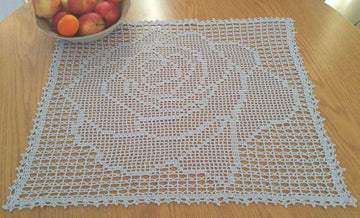 Square Rose Filet Doily
€5,20
Square Rose Filet Doily
€5,20
-
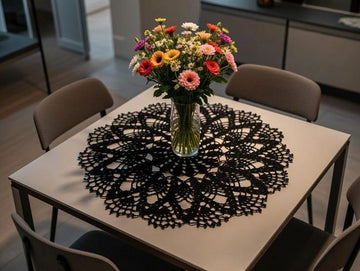 Crochet round doily Pdf + Video Tutorial
€4,34
Crochet round doily Pdf + Video Tutorial
€4,34
-
 Holly Jolly Christmas Doily
€6,42
Holly Jolly Christmas Doily
€6,42
-
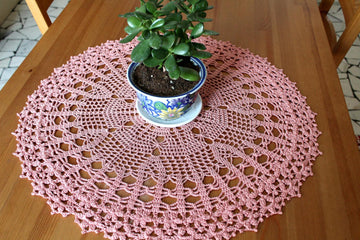 Sweet Afternoon Doily
€7,80
Sweet Afternoon Doily
€7,80
-
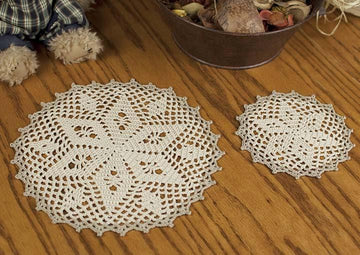 Star Doily & Coaster
€4,29
Star Doily & Coaster
€4,29
-
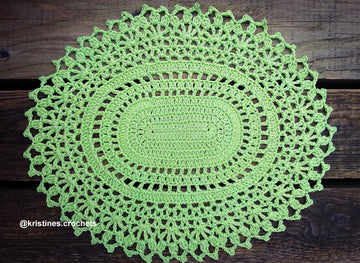 Blooming Ivy Oval Doily
€4,80
Blooming Ivy Oval Doily
€4,80
-
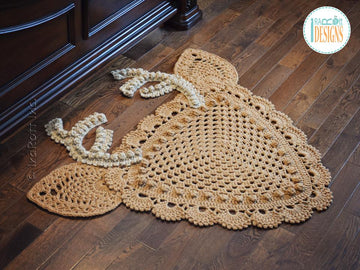 Blizzard the Reindeer Rug or Corner Doily Rug
€8,31
Blizzard the Reindeer Rug or Corner Doily Rug
€8,31
-
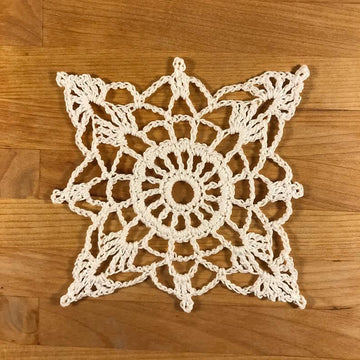 Square Lace Doily Coaster
€2,43
Square Lace Doily Coaster
€2,43
-
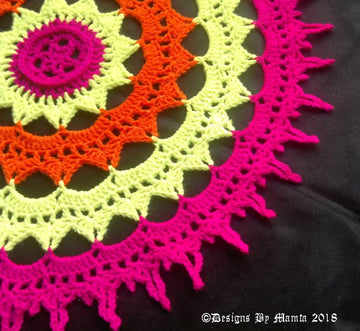 Sun Mandala Crochet Doily Pattern For Home Decor
€5,19
Sun Mandala Crochet Doily Pattern For Home Decor
€5,19
-
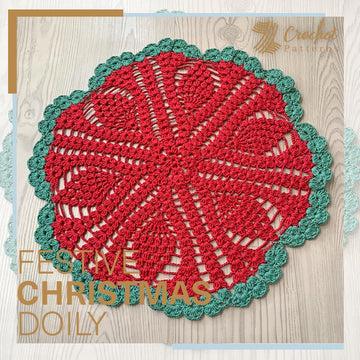 Festive Christmas Doily
€5,19
Festive Christmas Doily
€5,19
-
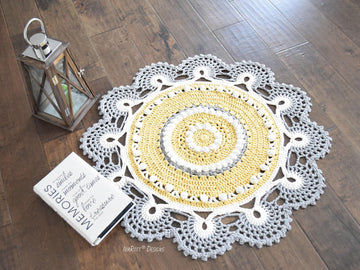 Retro Doily Rug
€8,32
Retro Doily Rug
€8,32
-
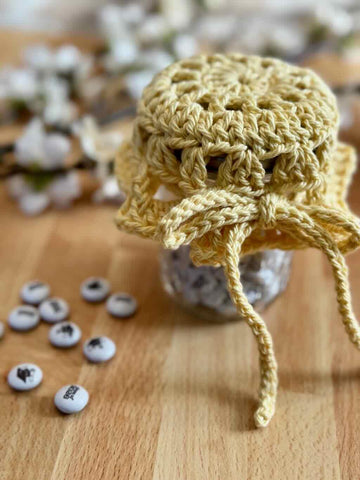 Mason Jar Doily
€3,79
Mason Jar Doily
€3,79
-
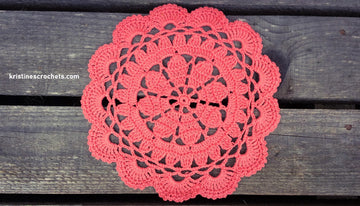 Coral Lace Doily Written Pattern
€4,80
Coral Lace Doily Written Pattern
€4,80
-
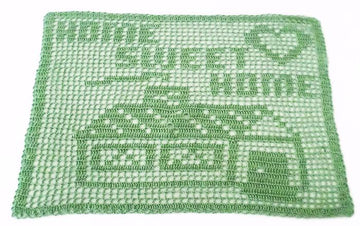 Home Sweet Home Doily
€5,20
Home Sweet Home Doily
€5,20
-
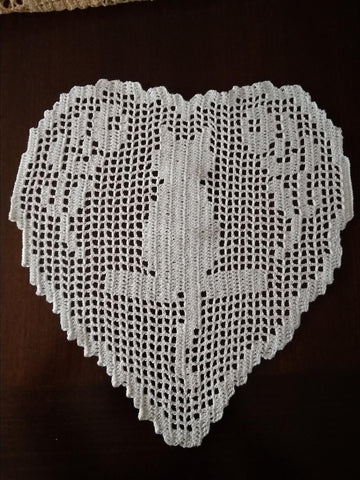 Cat filet heart doily
€3,60
Cat filet heart doily
€3,60
-
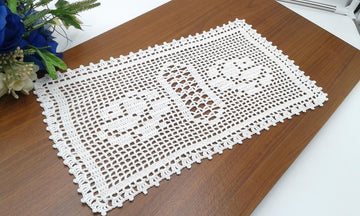 Roses and picot filet doily
€4,50
Roses and picot filet doily
€4,50
-
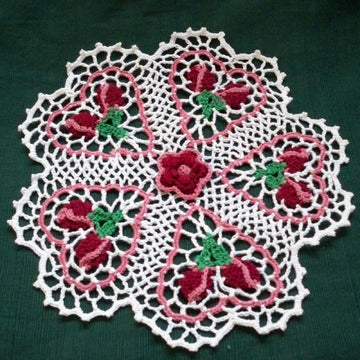 LoisLeigh’s Rose Budding Hearts Doily
€7,12
LoisLeigh’s Rose Budding Hearts Doily
€7,12
-
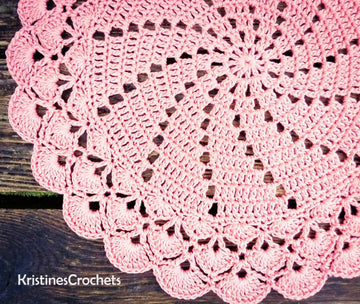 Shells & Swirls Doily
€4,80
Shells & Swirls Doily
€4,80
-
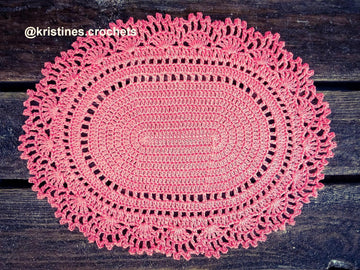 Romantic Oval Doily Placemat Written Pattern
€4,80
Romantic Oval Doily Placemat Written Pattern
€4,80
-
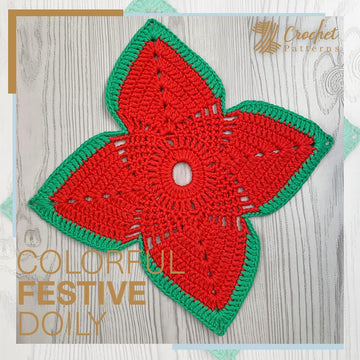 Colorful Festive Doily
€3,11
Colorful Festive Doily
€3,11
-
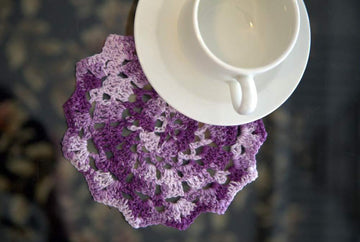 Crochet Doily in Plymouth Yarn Anne - F623
€0,00
Crochet Doily in Plymouth Yarn Anne - F623
€0,00
-
 Crochet Tea Set Pattern – Teapot, Cups, Saucers & Doily PDF Pattern
€4,40
Crochet Tea Set Pattern – Teapot, Cups, Saucers & Doily PDF Pattern
€4,40
-
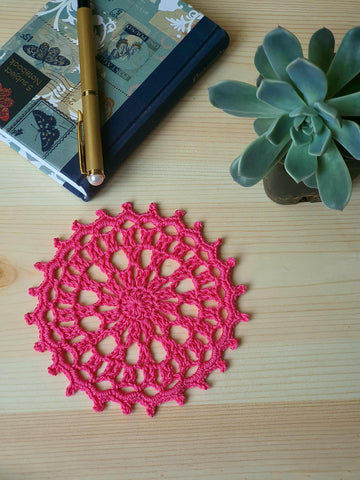 Pointy picot doily
€3,46
Pointy picot doily
€3,46
-
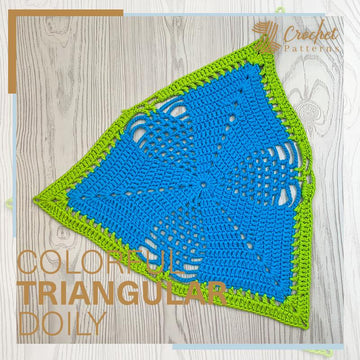 Colorful Triangular Doily
€3,11
Colorful Triangular Doily
€3,11


