

Cross Stitch & Embroidery Thread
Embroidery thread and cross stitch floss in a huge range of colours - stranded cotton, perle, metallics, variegated shades and silks - from DMC, Anchor and other makers' favourites. Buy single skeins to fill a gap in a chart or whole boxed sets to start from scratch. Browse DMC thread, Anchor thread and the wider cross stitch and embroidery range.
read more
-
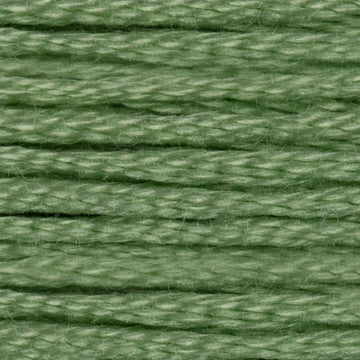 DMC Stranded Cotton - Cool Shades
$1.99
DMC Stranded Cotton - Cool Shades
$1.99
-
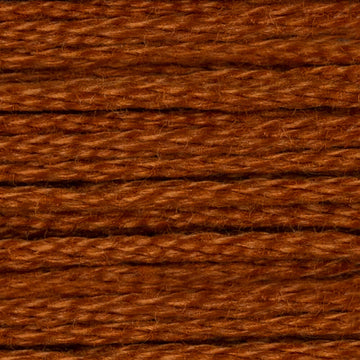 DMC Stranded Cotton - Neutrals
$1.99
DMC Stranded Cotton - Neutrals
$1.99
-
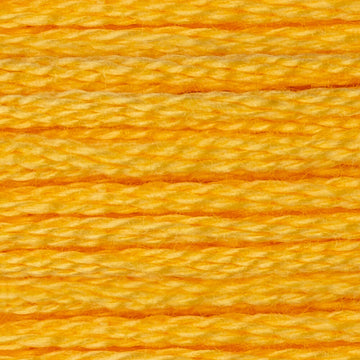 DMC Stranded Cotton - Warm Shades
$1.99
DMC Stranded Cotton - Warm Shades
$1.99
-
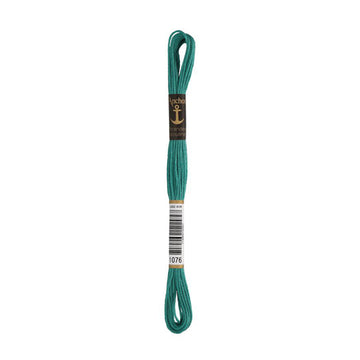 Anchor Stranded Cotton
$1.44
Anchor Stranded Cotton
$1.44
-
 Anchor Tapestry Wool
$1.69
Anchor Tapestry Wool
$1.69
-
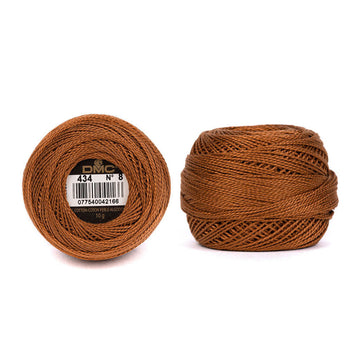 DMC Perlé Cotton No.8
$5.99
DMC Perlé Cotton No.8
$5.99
-
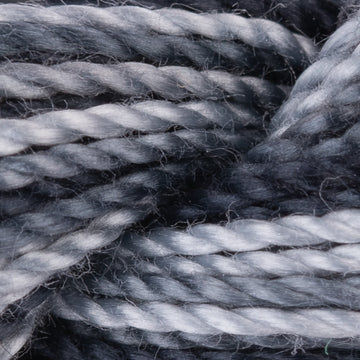 DMC Perlé Cotton No.5
$3.49
DMC Perlé Cotton No.5
$3.49
-
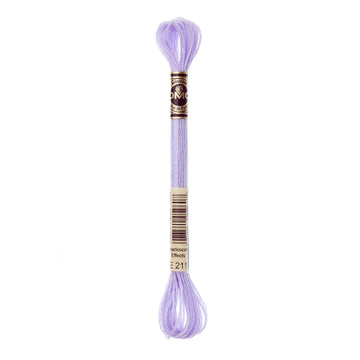 DMC Light Effects
From $4.99
DMC Light Effects
From $4.99
-
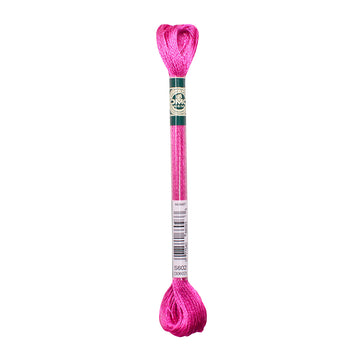 DMC Satin Floss
$3.29
DMC Satin Floss
$3.29
-
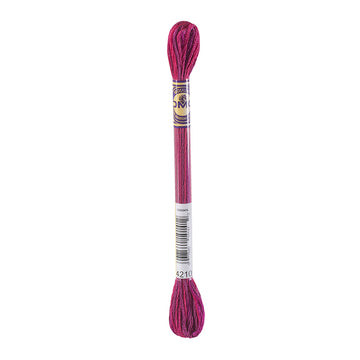 DMC Colour Variations
$2.99
DMC Colour Variations
$2.99
-
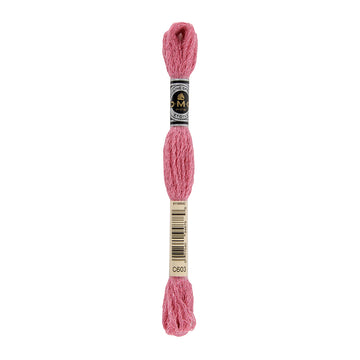 DMC Etoile
$3.29
DMC Etoile
$3.29
-
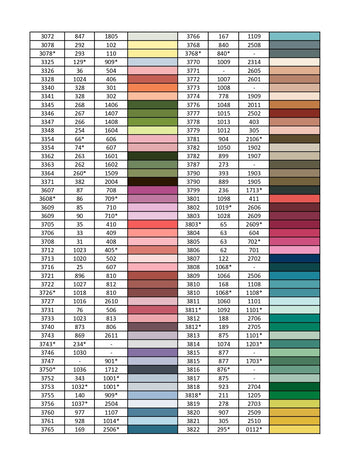 Madeira Mouliné Stranded Cotton
From $1.44
Madeira Mouliné Stranded Cotton
From $1.44
-
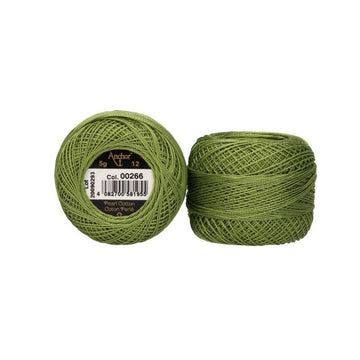 Anchor Pearl Cotton 12
$2.54
Anchor Pearl Cotton 12
$2.54
-
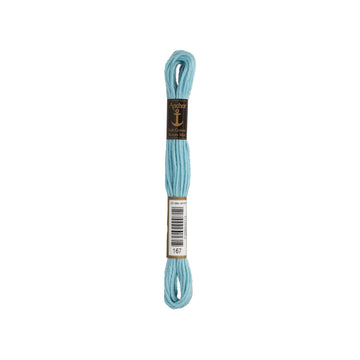 Anchor Soft Embroidery
$2.21
Anchor Soft Embroidery
$2.21
-
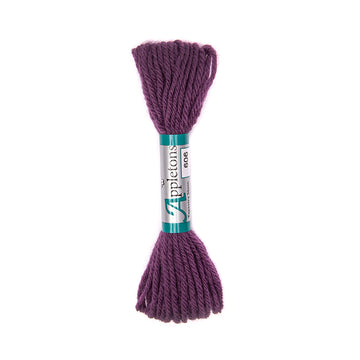 Appletons 4-ply Tapestry Wool - 10m
From $1.23
Appletons 4-ply Tapestry Wool - 10m
From $1.23
-
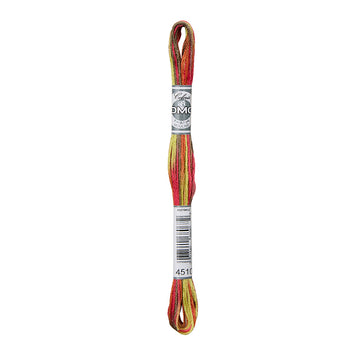 DMC Coloris
$2.99
DMC Coloris
$2.99
-
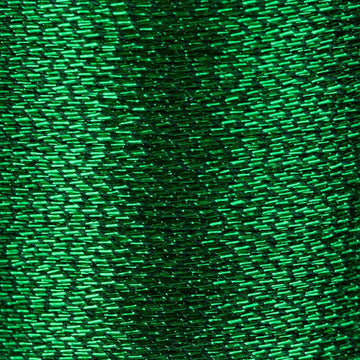 DMC Diamant Metallic
$7.99
DMC Diamant Metallic
$7.99
-
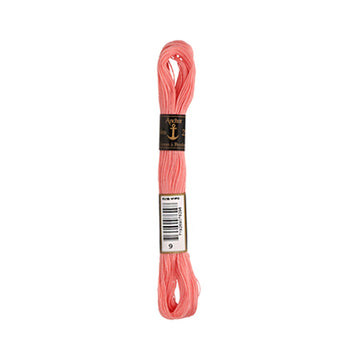 Anchor Coton à Broder 25
$1.92
Anchor Coton à Broder 25
$1.92
-
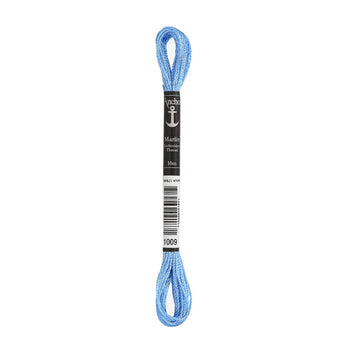 Anchor Marlitt
$2.07
Anchor Marlitt
$2.07
-
 Kreinik Very Fine 4 Braid
$5.80
Kreinik Very Fine 4 Braid
$5.80
-
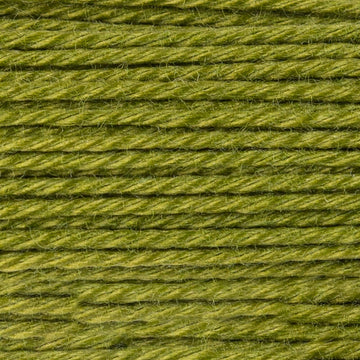 DMC Coton a Broder 16
$2.99
DMC Coton a Broder 16
$2.99
-
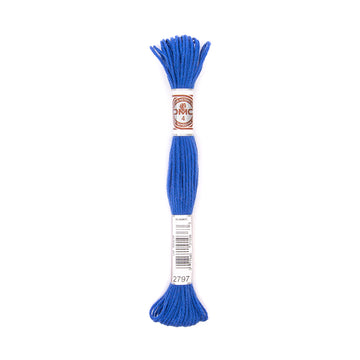 DMC Soft Cotton
$2.99
DMC Soft Cotton
$2.99
-
 The Caron Collection Watercolours (3 strand Pima Cotton)
From $0.00
The Caron Collection Watercolours (3 strand Pima Cotton)
From $0.00
-
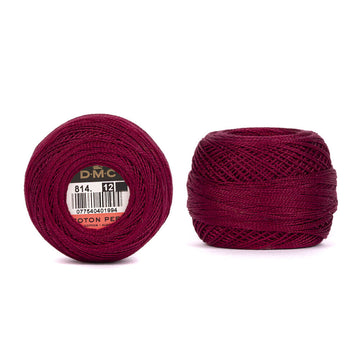 DMC Perlé Cotton No.12
$5.99
DMC Perlé Cotton No.12
$5.99
-
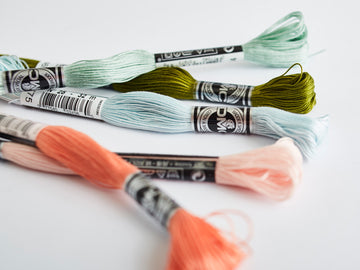 DMC Coton a Broder 25
$2.99
DMC Coton a Broder 25
$2.99
-
 Anchor Metallic Embroidery Thread
$6.20
Anchor Metallic Embroidery Thread
$6.20
-
 Valdani Floss 6Ply Skeins
From $4.99
Valdani Floss 6Ply Skeins
From $4.99
-
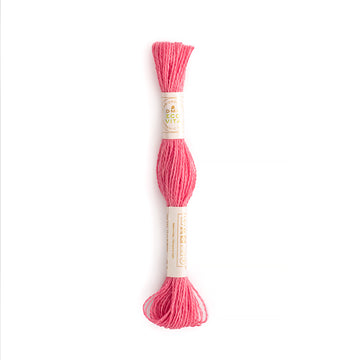 DMC Eco Vita Naturally Dyed Organic Wool Thread
$3.39
DMC Eco Vita Naturally Dyed Organic Wool Thread
$3.39
-
 Valdani Hand Overdyed Floss
From $3.28
Valdani Hand Overdyed Floss
From $3.28
-
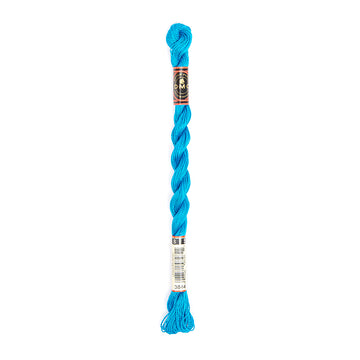 DMC Perlé Cotton No.8 (25m)
$2.49
DMC Perlé Cotton No.8 (25m)
$2.49
-
 Valdani Pearl Cotton Size 12 Balls
From $0.00
Valdani Pearl Cotton Size 12 Balls
From $0.00
-
 Anchor Coton à Broder 16
$2.21
Anchor Coton à Broder 16
$2.21
-
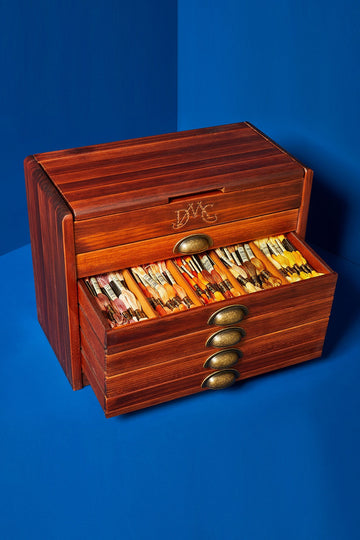 DMC Wooden Collector's Box pre-filled with 500 DMC Stranded Cottons
$1,003.00
DMC Wooden Collector's Box pre-filled with 500 DMC Stranded Cottons
$1,003.00
-
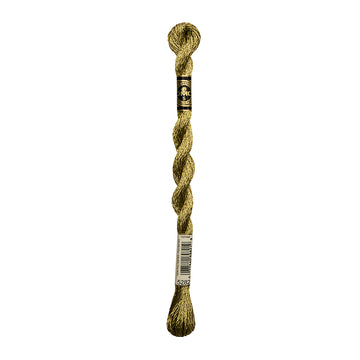 DMC Perlé Metallic Cotton No.5
$6.99
DMC Perlé Metallic Cotton No.5
$6.99


