Sport weight yarn, or 5 ply as most UK knitters call it
Sport weight is the quiet middle child of the yarn world: heavier than 4 ply, lighter than DK, and often overlooked because British patterns tend to skip straight from one to the other. It deserves better. On 3.5mm to 3.75mm needles or hook it makes a fabric that is light and even, with excellent stitch definition and none of the bulk that can make a colourwork yoke stand away from the shoulders. If you knit from American designers, you will meet it constantly, because sport is a mainstay of their pattern writing.
What sport weight is best for
- Stranded colourwork: fine enough that two-colour fabric stays supple, thick enough to knit at a reasonable speed.
- Babywear: lighter than DK for indoor wear, warmer than 4 ply, and it drapes rather than stiffens.
- Summer tops and tees: sport weight cotton gives crisp stitches and a cool, breathable fabric.
- Shawls and wraps: a good compromise if lace weight feels too slow and 4 ply too fine.
- Cardigans: a classic sport weight cardigan hangs beautifully and layers under a coat.
Where it sits between the weights
Think of the ladder: lace, 4 ply or fingering, sport or 5 ply, DK, aran, chunky. Sport typically knits at 24 to 26 stitches to 10cm in stocking stitch, against roughly 28 for 4 ply and 22 for DK. That one or two stitch difference sounds trivial until you multiply it across a 100cm bust, where it becomes several centimetres. It is why substituting DK straight into a sport pattern rarely works without either changing size or reworking the maths.
Choosing a fibre
Wool and wool blends are springy, warm and forgiving of slightly uneven tension, and they block into shape properly, which matters for a yoked jumper. Merino adds softness at the cost of some durability; a little nylon or a firmer breed wool holds up better in cuffs and elbows. Sport weight cotton is cool, crisp and shows cables and textured stitches unusually well, though it has no memory, so ribbing will not spring back the way wool does. Cotton blends with a touch of elastane or a wool-cotton mix solve that. Superwash options are the sensible pick for babywear, where the garment needs to survive a weekly machine wash without felting.
How much you will need
Sport gives more metres per 100g than DK, which usually means fewer balls than you expect. As a rough guide, a baby cardigan takes 200g to 300g, an adult jumper 700g to 900g depending on size and length, a triangular shawl 300g to 400g, and a pair of socks around 100g if you like a slightly heavier sock. Always buy a full project's worth in one dye lot, because sport weight is used for garments where a colour shift across a sleeve would be obvious.
Tension, needles and tools
Swatch. Sport weight sits close enough to its neighbours that a loose knitter can produce DK-sized fabric and a tight one something near 4 ply. Knit at least 15cm square, wash and dry it exactly as you will treat the garment, then measure the middle 10cm. Beyond needles or hooks, keep a set of stitch markers, a needle gauge, blocking pins or wires and a tape measure to hand. For colourwork, a spare set of needles a size larger for the yoke often cures puckering.
Care and finishing
Block everything. Sport weight fabric is thin enough that blocking visibly evens out the stitches, opens lace and squares up a hem. Wash wool by hand in cool water, press out the water in a towel and dry flat. Cotton can usually go on a gentle machine cycle, though it will relax slightly on the first wash, so allow for it in your length. Match your project to a pattern in the sport weight knitting patterns collection to avoid conversion work altogether.
Questions makers ask
Is 5 ply the same as sport weight? In the UK, yes. The two terms describe the same weight; 5 ply is the older British name and sport is the American one.
Can I use DK instead? Sometimes, on a scarf or a blanket where fit does not matter. For a garment, DK is thicker, so swatch first and expect a larger finished size unless you knit a smaller size.
What needle size should I use? Start at 3.5mm or 3.75mm for knitting and a 3.5mm hook for crochet, then adjust to hit the pattern's tension.
Is sport weight good for socks? Yes, if you like a thicker boot sock. They knit up much faster than 4 ply socks but need roomier shoes.


 MillaMia Naturally Soft Cotton 5 Ball Colour Pack
$42.50
MillaMia Naturally Soft Cotton 5 Ball Colour Pack
$42.50
 Schachenmayr Pyramid Cotton
From $4.49
Schachenmayr Pyramid Cotton
From $4.49
 Lana Grossa Cool Wool Print
$12.99
Lana Grossa Cool Wool Print
$12.99
 Cascade Yarns Botanika
$19.09
Cascade Yarns Botanika
$19.09
 Cascade Yarns 220 Superwash Sport Wave
$23.99
Cascade Yarns 220 Superwash Sport Wave
$23.99
 Lang Yarns Regina
$10.00
Lang Yarns Regina
$10.00
 Mode At Rowan Alpaca Haze
$13.69
Mode At Rowan Alpaca Haze
$13.69
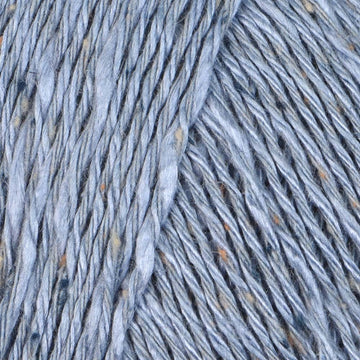 Juniper Moon Farm Summer Solstice
From $0.00
Juniper Moon Farm Summer Solstice
From $0.00
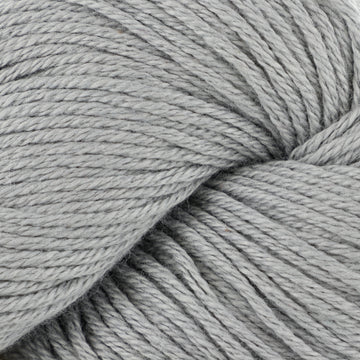 Valley Yarns Granville
$8.04
Valley Yarns Granville
$8.04


