Choosing the right knitting needle
Needles are the one piece of kit you cannot improvise, and the difference between the right pair and the wrong pair is felt within about ten rows. Three things decide it: the type, the material, and the size. Type is dictated by the project's shape - flat pieces, tubes, or something too wide to fit on straights. Material is about grip, and grip is about the yarn you are using and how tightly you knit. Size is dictated by the pattern's tension, not by preference, though your own tension may mean you need to go up or down a size to hit it.
Needle types and what they are for
- Single point (straight): flat pieces - scarves, blanket squares, garment pieces knitted flat and seamed. Simple and cheap; less good for heavy projects, which hang off one needle.
- Circular: two tips joined by a cable. Essential for knitting in the round, but equally good for flat knitting, because the weight of the work rests in your lap. A 3.5mm 80cm circular is arguably the single most useful needle to own.
- Double-pointed (DPNs): sets of four or five for small tubes - socks, sleeves, hat crowns, mittens.
- Interchangeable sets: tips that screw onto cables of different lengths. The economical route once you knit more than occasionally.
- Cable needles, stitch holders and accessories: the small tools that make cabled and shaped knitting straightforward.
Bamboo, wood, metal or plastic
Bamboo and wood have grip. Stitches stay where you put them, which is why they suit slippery yarns like silk and bamboo blends, beginners still learning to control tension, and large sizes where heavy stitches want to slide off. Metal is fast and slick, with sharper tips that make lace, colourwork and tight tension work much easier - if you knit tightly, metal saves your wrists. Plastic and acrylic are light and warm to the touch, which matters in the very large sizes where a metal 15mm needle becomes heavy. There is no correct answer, only a correct answer for the yarn in your hands.
Getting the size right
Patterns give a needle size and a tension. The tension is the instruction; the needle size is only a starting suggestion. Knit a 15cm square in the pattern stitch, wash and dry it as you will treat the finished piece, then count stitches over 10cm in the middle. Too many stitches means your knitting is tight - go up a needle size. Too few means go down. On a jumper, half a stitch out over 10cm compounds to about 5cm across an adult chest. UK, US and metric sizing all differ, so a needle gauge is a cheap way to identify unlabelled needles from a stash or a charity shop.
Cable length for circulars
The cable must be shorter than the circumference you are knitting or the stitches will not reach round. As a guide: 40cm for hats, 60-80cm for sleeves and small garments, 80-100cm for adult jumper bodies, and 100cm or more for blankets and shawls. For anything smaller than a hat, either use DPNs or the magic loop method on a long cable.
Care and storage
Wooden and bamboo needles occasionally develop a rough patch; a gentle rub with very fine sandpaper and a little wax restores them. Metal tips should be kept from knocking together in a bag, and interchangeable joins should be tightened with the supplied key each time so a cable does not unscrew mid-round. Store needles in a roll or a case rather than loose, and check interchangeable cables for splits at the join, which is where they eventually fail.
Knitting needle questions
What needles should a beginner buy? A pair of 4mm or 5mm bamboo single points for a first scarf, then a 4mm 80cm circular, which covers almost everything else.
Can I knit flat on circular needles? Yes - just turn at the end of each row as you would with straights. Many knitters use circulars exclusively.
What size needles for chunky yarn? Usually 6-7mm for chunky and 8-12mm or larger for super chunky. Check the ball band.
Are interchangeable sets worth it? If you knit regularly, yes - they cover most sizes and cable lengths for less than buying fixed circulars individually.
Bamboo or metal for beginners? Bamboo. The grip stops stitches sliding off while you are still learning to hold tension.


 Deramores Single Point Needles - 35cm (14in) (1 Pair)
From $2.00
Deramores Single Point Needles - 35cm (14in) (1 Pair)
From $2.00
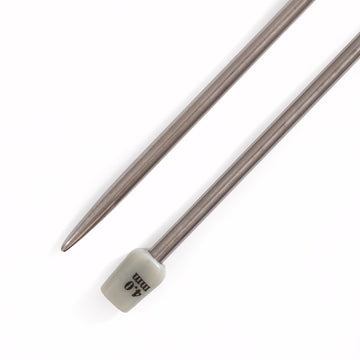 Deramores Single Point Needles - 25cm (10in) (1 Pair)
From $2.00
Deramores Single Point Needles - 25cm (10in) (1 Pair)
From $2.00
 Deramores Fixed Circular Needles - 80cm (32in) (1 Pair)
From $4.13
Deramores Fixed Circular Needles - 80cm (32in) (1 Pair)
From $4.13
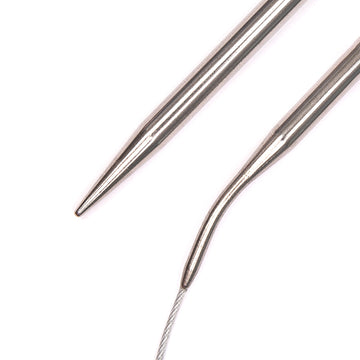 Deramores Fixed Circular Needles - 40cm (16in) (1 Pair)
From $4.13
Deramores Fixed Circular Needles - 40cm (16in) (1 Pair)
From $4.13
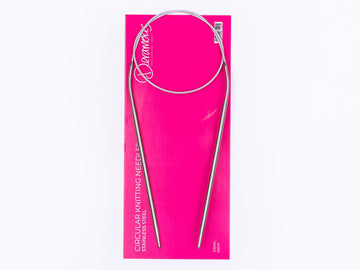 Deramores Fixed Circular Needles - 60cm (24in) (1 Pair)
From $4.13
Deramores Fixed Circular Needles - 60cm (24in) (1 Pair)
From $4.13
 KnitPro Purple Single Cable
$3.02
KnitPro Purple Single Cable
$3.02
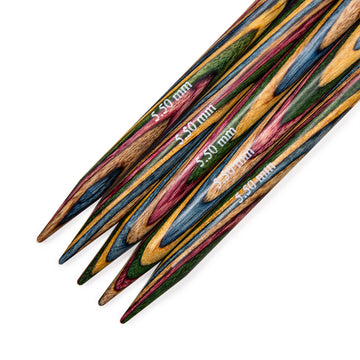 KnitPro Symfonie Double Point Needles 15cm (Set of 5)
From $11.68
KnitPro Symfonie Double Point Needles 15cm (Set of 5)
From $11.68
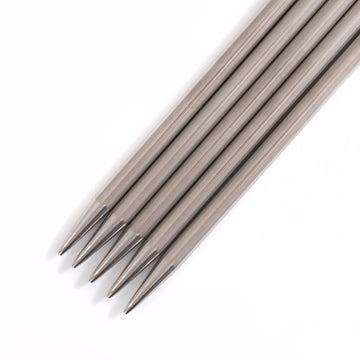 Deramores Double Point Needles - 20cm (8in) (Set of 5)
From $2.88
Deramores Double Point Needles - 20cm (8in) (Set of 5)
From $2.88
 KnitPro Symfonie Single Point Needles 30cm
From $13.55
KnitPro Symfonie Single Point Needles 30cm
From $13.55
 KnitPro Symfonie Single Point Needles 25cm
From $11.50
KnitPro Symfonie Single Point Needles 25cm
From $11.50
 KnitPro Symfonie Single Point Needles 35cm
From $17.55
KnitPro Symfonie Single Point Needles 35cm
From $17.55
 KnitPro Symfonie Single Point Needles 40cm
From $19.11
KnitPro Symfonie Single Point Needles 40cm
From $19.11
 AddiNature Bamboo Single Pointed Needles 25cm
From $11.68
AddiNature Bamboo Single Pointed Needles 25cm
From $11.68
 KnitPro Symfonie Double Point Needles 20cm (Set of 5)
From $13.65
KnitPro Symfonie Double Point Needles 20cm (Set of 5)
From $13.65
 AddiPremium Classic Circular Knitting Needle 100cm
From $8.90
AddiPremium Classic Circular Knitting Needle 100cm
From $8.90


