How do you choose the right free granny square pattern?
The classic granny square is a ring of chains worked into clusters of trebles (UK terms; this is US double crochet), turned at the corners and repeated until you've built the motif you need. Because the construction is so forgiving, it's the pattern style most crocheters reach for first, and it's also the one you'll keep coming back to for scrap-busting projects, gifts and anything that needs to be portable. If you're after a free granny square pattern rather than a paid one, many of the designs below are free, instant PDF downloads, so you can open the chart on your phone or print it off and start straight away.
What differs between designs is the finishing: some squares are joined edge to edge with a flat slip-stitch seam, others are joined-as-you-go, and some are left as loose motifs for coasters or earrings. Deciding what you're making first makes choosing a granny square pattern much quicker, because it narrows down the yarn weight, hook size and number of squares you'll need.
Picking a project: blankets, garments or small makes
If you want a traditional afghan, look at something like the Crochet Granny Square Blanket in Hayfield Bonus DK or the Eventually Granny Square blanket, both built from repeated motifs sewn or crocheted together into a throw. For something wearable, the Granny Square Tile Dress turns the same square into panels of a garment, while the EASY Ripple Granny Square Scarf is a good project if you only want a handful of motifs rather than dozens. Smaller still, the Granny squares tote bag uses just a few squares, so it's ideal for using up oddments without committing to a whole blanket.
Yarn weight, fibre and hook size
Most granny square patterns are written for DK or worsted weight yarn with a hook in the region of 4mm–5mm, which gives a square that's easy to count stitches on and quick to work up. Cotton gives crisp, defined stitches and holds its shape well for homeware, while wool or wool-blend DK, like that used in the Hayfield blanket pattern, drapes better and is warmer for a throw. Always crochet a single square first and check it against the pattern's gauge before cutting yarn for dozens more — granny squares are forgiving, but if your square comes out even slightly off size across fifty squares, the finished blanket will be noticeably smaller or larger than planned.
Skill level and techniques worth practising
Genuine beginners should start with a motif-only pattern rather than a full blanket, so you can learn the join-in-the-round and corner-cluster technique without worrying about joining dozens of pieces. The Easy Granny Square Motif pattern is written with this in mind. Once you're comfortable, joining methods (flat braid join, join-as-you-go, or simple whip stitch) are the next skill to practise, since a neat join makes far more difference to the finished look than the square itself. Colourwork squares, like the Sakura Granny Square or the Bubblegum Pop 10" Granny Square, introduce colour changes at the start of each round, a useful technique once basic treble clusters feel automatic.
Adapting size, colour and timing
Granny squares scale easily: work fewer rounds for a smaller square, or keep adding rounds until you hit the size you want, which is handy if you're trying to match a specific blanket size or use up a particular amount of yarn. For babies, a pattern such as the Granny Square Baby Gift Set uses smaller squares and softer yarn for a lighter, quicker finish. How long a single square takes depends on size, yarn weight and your own tension, so it's worth timing your first square before estimating how long a larger blanket will take. If you'd rather start even smaller, browse free granny square patterns for motif-only designs, or look at baby blanket crochet patterns if the afghan is for a newborn.
- Check gauge on one square before multiplying it across a whole blanket
- Choose join-as-you-go if you dislike sewing up at the end
- Keep dye lots consistent if a pattern calls for one main colour
- Use cotton for homeware, wool-blend DK for warmth and drape
Caring for your finished piece
Wash granny square makes according to the yarn label rather than the pattern, since fibre content (cotton, acrylic or wool blend) determines whether it needs a cool hand wash or can go in the machine. Block joined blankets gently while damp to even out any slight size differences between squares before the final border is added.
Frequently asked questions
Are these granny square patterns really free to download? Many of the designs on this page are free PDF downloads you can save or print immediately; some are paid designer patterns, which are clearly marked as such rather than offering a free download link.
What's the difference between UK and US granny square instructions? A UK "treble" (tr) is the same stitch as a US "double crochet" (dc); always check which terms a pattern uses before you start, as using the wrong stitch height will change your square's size.
How many granny squares do I need for a blanket? It depends on square size and blanket dimensions, so it helps to crochet a few squares, measure them, and lay them out against your intended finished size before buying all your yarn.


 Sunburst Granny Square Bag
$0.00
Sunburst Granny Square Bag
$0.00
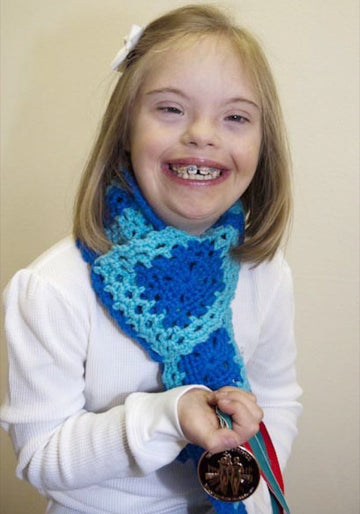 Special Olympics Granny Square Scarf in Red Heart Super Saver Economy Solids - LW2367
$0.00
Special Olympics Granny Square Scarf in Red Heart Super Saver Economy Solids - LW2367
$0.00
 Crochet Blouse with granny squares
$0.00
Crochet Blouse with granny squares
$0.00
 Farmhouse Granny Square
$0.00
Farmhouse Granny Square
$0.00
 Maxi coat with granny squares
$0.00
Maxi coat with granny squares
$0.00
 Granny Square for Checkerboard Textures Throw in Red Heart Soft Heathers - LW4132-11
$0.00
Granny Square for Checkerboard Textures Throw in Red Heart Soft Heathers - LW4132-11
$0.00
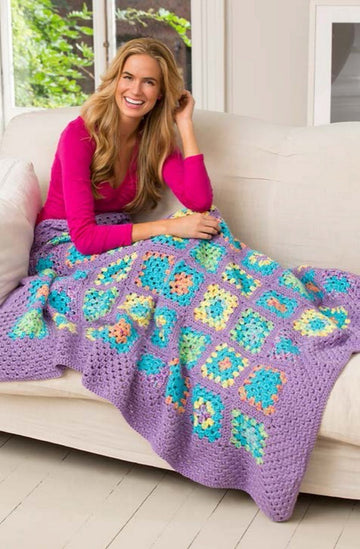 Cheerful Granny Square Throw in Red Heart Gumdrop and Soft - LW3848
$0.00
Cheerful Granny Square Throw in Red Heart Gumdrop and Soft - LW3848
$0.00
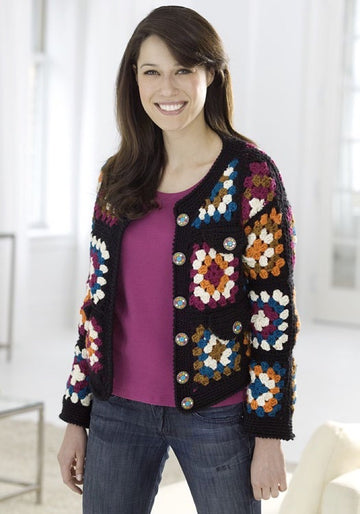 Granny Square Jacket in Red Heart Soft Solids - WR1859
$0.00
Granny Square Jacket in Red Heart Soft Solids - WR1859
$0.00
 Granny Square Bucket Bag
$0.00
Granny Square Bucket Bag
$0.00
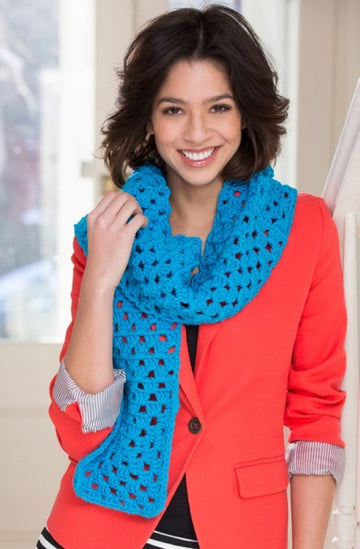 Beginner Granny Square Scarf in Red Heart With Love Solids - LW4130
$0.00
Beginner Granny Square Scarf in Red Heart With Love Solids - LW4130
$0.00
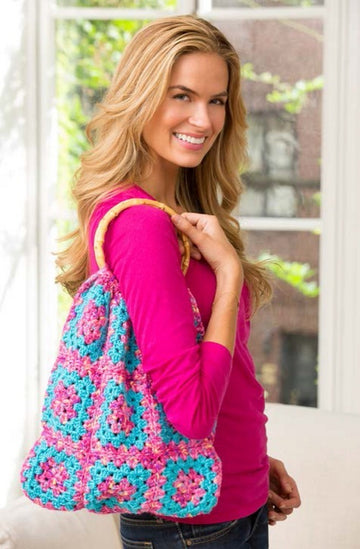 Granny Square Purse in Red Heart Gumdrop and Soft - LW3847
$0.00
Granny Square Purse in Red Heart Gumdrop and Soft - LW3847
$0.00
 Granny Square Rug
$0.00
Granny Square Rug
$0.00


