Free 8 ply patterns for babies and toddlers, explained
8 ply is the Australian and New Zealand name for the weight British knitters call DK and American knitters call light worsted. It knits at roughly 22 stitches to 10cm on 4mm needles, which is the sweet spot for baby garments: light enough that a newborn cardigan doesn't feel like armour, sturdy enough that a toddler's jumper survives the washing machine. Every pattern in this collection is free and downloads as a PDF, and the whole range is written or converted for that same 8 ply gauge, so you can move between designs without recalculating anything.
What's in the collection
- Cardigans and jackets — raglan, yoked and classic set-in sleeve shapes, most worked flat and seamed.
- Booties, bonnets and mitts — single-evening projects from leftovers, ideal for hospital gifts.
- Vests and slipovers — including child vest patterns in 8 ply, warm without bulky sleeves under a coat.
- Pram blankets and shawls — garter, moss stitch and simple lace panels.
- Dresses, pinafores and rompers plus a handful of knitted toys.
Knitting for the right age
Baby patterns are graded by age, but babies are famously uninterested in labels. Work to the finished chest measurement instead: roughly 41cm for 0–3 months, 46cm for 6–12 months, 51–56cm for a two-year-old. If you're knitting a gift for a baby who hasn't arrived yet, size up. A cardigan that's slightly too big in March fits perfectly by August, while a newborn size is often outgrown before it is worn. Sleeves can always be turned back at the cuff.
Yarn choice matters more than usual
Parents wash baby clothes constantly, so superwash merino, cotton blends and good soft acrylics all earn their place. Check the ball band for a machine-wash symbol and a low tumble-dry, and avoid anything scratchy against the neck — a pretty yarn that itches never gets worn. Pale colours look lovely in photographs but darker shades hide the realities of weaning. As a rough guide, a 0–3 month cardigan takes around 150–200m of 8 ply, a toddler jumper 300–400m, and a pram blanket 600m upwards.
Straight needles and simple techniques
A great many 8 ply baby patterns are written flat in back, fronts and sleeves, which means a single pair of 4mm straight needles will see you through. The techniques you'll encounter include: knit and purl, increasing with make-one or knit-front-and-back, decreasing with k2tog and ssk, picking up stitches for a button band, and mattress stitch seaming. Buttonholes on a baby cardigan are usually a simple yarn-over and decrease, spaced along the band. If you would rather avoid seams altogether, look for top-down raglans, which use a circular needle purely to hold the stitches and are still worked back and forth.
Tools and safety notions
Keep stitch markers, a row counter, a tape measure and small blunt-tipped darning needles to hand. For anything a baby will wear or sleep near, sew buttons on with doubled thread and tug-test them, use ribbon ties rather than drawstrings, and embroider toy faces instead of using safety eyes. Weave ends in securely along the seam line — a loose tail becomes a loose thread very quickly in a washing machine.
Downloading and using the free PDFs
Click through to any pattern in this collection, add the free download to your account and open the PDF. Print at 100% scale, or keep it on a tablet. Once you've printed it, circle the numbers for your size before you start — baby patterns often carry four or five sizes in brackets and it's easy to slide onto the wrong one halfway up a sleeve.
Common questions
Is 8 ply the same as DK? Yes, for practical purposes. If a pattern quotes DK you can use 8 ply and vice versa, as long as your tension square matches.
Are there free 8 ply patterns for two year olds? Plenty — look for designs graded to 2–3 years, especially vests, jumpers and pinafores.
Can I knit these on two needles? Most, yes. Booties in particular have flat, seamed versions here.
Where do I find more? Try DK knitting patterns and free baby knitting patterns for the same yarn weight in a wider range.


 Little Nikki
$0.00
Little Nikki
$0.00
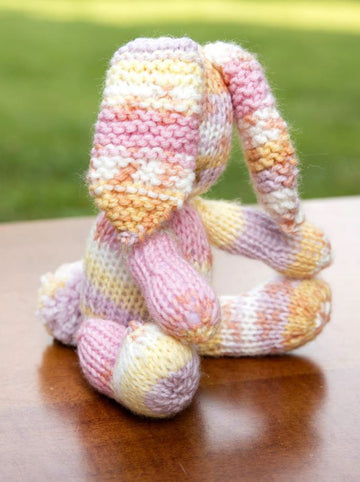 Rabbit in Plymouth Yarn Dreambaby DK Paintpot - F671 - Downloadable PDF
$0.00
Rabbit in Plymouth Yarn Dreambaby DK Paintpot - F671 - Downloadable PDF
$0.00
 Basic Booties
$0.00
Basic Booties
$0.00
 Daffodil Doll Infant Headband
$0.00
Daffodil Doll Infant Headband
$0.00
 Wallagrass Shawl in Berroco Chai - Downloadable PDF
$0.00
Wallagrass Shawl in Berroco Chai - Downloadable PDF
$0.00
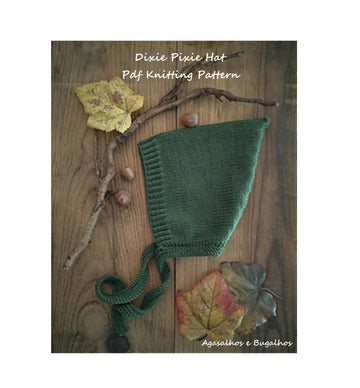 Dixie Pixie Hat
$0.00
Dixie Pixie Hat
$0.00
 Hat, Mittens and Socks in Schachenmayr Merino Extrafine 120 - 6742 - Downloadable PDF
$0.00
Hat, Mittens and Socks in Schachenmayr Merino Extrafine 120 - 6742 - Downloadable PDF
$0.00
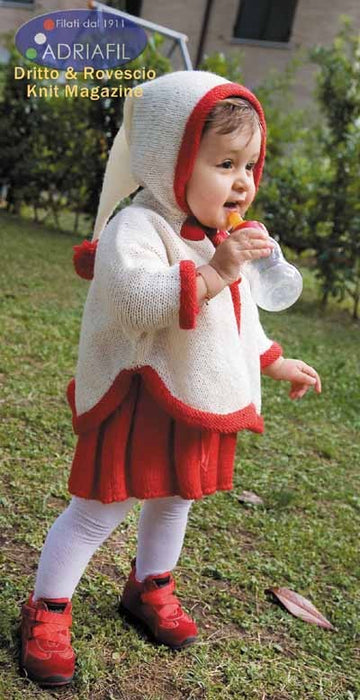 Tancredi Set in Adriafil Merino & Regina - Downloadable PDF
$0.00
Tancredi Set in Adriafil Merino & Regina - Downloadable PDF
$0.00


