What counts as fluffy yarn
Fluffy yarn is a broad family rather than a single fibre. It includes brushed mohair and alpaca blends with a fine halo, eyelash and fur-effect novelty yarns with long fibres standing away from the core, chenille and velvet yarns with a dense pile, and soft acrylic blends spun to trap air. What they share is a surface that obscures the stitch structure. That is either the point or the problem, depending on your project: cables and lace disappear entirely, while wobbly beginner tension becomes invisible.
Choosing the right kind of fluff
- Brushed mohair or kid silk: weightless warmth, often held together with a finer yarn to add halo to a plain garment.
- Chunky fluffy blends: fast blankets, cushions and jumpers on large needles.
- Chenille and velvet: dense, cuddly and ideal for toys and baby blankets, though it can worm if worked too loosely.
- Eyelash and fur effect: best in small doses as trims, collars and toy manes.
- Soft acrylic blends: washable and practical for anything a child will drag around.
Knitting and crocheting with a halo
The first rule is to keep the stitch pattern simple. Garter stitch, stocking stitch and double crochet all show fluffy yarn at its best. The second is to accept that you cannot easily see what you are doing, so count stitches at the end of every row rather than relying on your eyes, and place markers at repeat boundaries. Ripping back is the real difficulty: fluffy yarns grip themselves, and a long tink can shed fibre. Use a lifeline of smooth cotton thread through a row every so often on anything larger than a scarf.
Needles, hooks and tension
Metal needles with a smooth join slide better through hairy yarn than wooden ones. Go up a size or two from what the weight suggests if the fabric feels stiff, since fluffy yarns need air to bloom. Do swatch, but measure the swatch after a wash and a shake, because the halo develops with handling and the fabric usually opens out. For chenille and velvet, tension matters in the other direction: too loose and the pile pushes stitches out of line into little worms, so knit these firmly.
Projects that suit it
Blankets and throws are the obvious use, and chunky fluffy yarn turns a throw into a weekend rather than a season. Beyond that, think cardigans and jumpers with plain shaping, cowls and snoods, cushion covers, baby comforters and amigurumi animals where the fluff reads as fur. Mohair held double with a 4 ply is a classic trick for a light but warm jumper. Avoid anything that needs crisp edges, fitted tailoring or visible texture.
Care and shedding
Expect some shedding at first from brushed and eyelash yarns; a gentle shake outdoors after finishing removes most of the loose fibre. Wash by hand in lukewarm water unless the ball band says otherwise, and never wring, because matted fluff does not recover. Dry flat, then shake again to lift the pile. Store folded and loosely, since compression flattens the halo. Keep a spare ball for repairs, as this is a category where colours change from season to season.
Fluffy yarn questions
What is fluffy yarn best for? Blankets, cushions, soft toys, cowls and simple garments where softness matters more than stitch definition.
Is it suitable for beginners? Yes for simple shapes, because it hides uneven tension, but it is unforgiving if you need to undo work.
Can I use it for baby items? Choose a washable blend with short fibres; long eyelash fibres are not ideal near very young babies.
How do I stop chenille worming? Use a smaller hook or needle than usual and keep the fabric dense.
Can I hold mohair with another yarn? Yes, holding a lace mohair alongside 4 ply is one of the most popular ways to use it. See plush yarn for a denser alternative.


 Paintbox Yarns Chenille
From $5.85
Paintbox Yarns Chenille
From $5.85
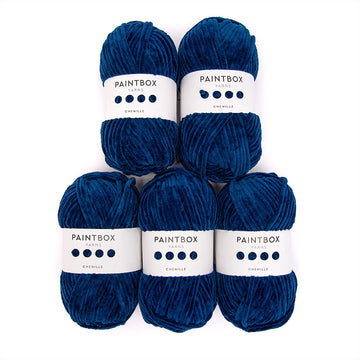 Paintbox Yarns Chenille 5 Ball Value Pack
$40.50
Paintbox Yarns Chenille 5 Ball Value Pack
$40.50
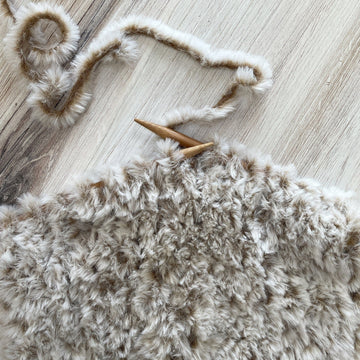 Lion Brand Go For Faux
$14.40
Lion Brand Go For Faux
$14.40
 James C. Brett Faux Fur
$13.75
James C. Brett Faux Fur
$13.75
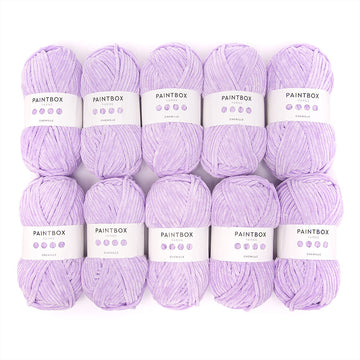 Paintbox Yarns Chenille 10 Ball Value Pack
$76.50
Paintbox Yarns Chenille 10 Ball Value Pack
$76.50
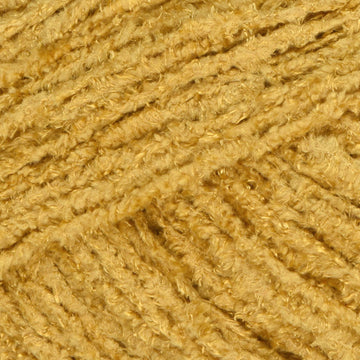 Lion Brand Chenille Appeal
$9.59
Lion Brand Chenille Appeal
$9.59
 Sirdar Happy Chenille Multibox - 25 Colours
$83.99
Sirdar Happy Chenille Multibox - 25 Colours
$83.99
 King Cole Velveteen
$11.99
King Cole Velveteen
$11.99
 King Cole Truffle Glitz
$9.15
King Cole Truffle Glitz
$9.15
 Lion Brand DIY Glow Chenille
$10.69
Lion Brand DIY Glow Chenille
$10.69


