

Cushion Knitting Patterns
Knitted cushion cover patterns to download, including cabled fronts, textured moss and basketweave panels, colourwork designs and simple envelope-back covers that need no zip. Cushion knitting patterns are the easiest way to try a new stitch at a manageable size, and free cushion knitting patterns sit alongside paid PDFs here. Pair one with a knitted throw, browse more home knitting patterns, or find the yarn in aran yarn.
read more
-
 8 accented hoots
$10.31
8 accented hoots
$10.31
-
 Scraptastic Pillow
$5.11
Scraptastic Pillow
$5.11
-
 Cable heart cushion
$10.99
Cable heart cushion
$10.99
-
 Red Nose Reindeer Cushion
$7.64
Red Nose Reindeer Cushion
$7.64
-
 Pillowcase "FERN" - Kissenbezug "FARN"
$4.16
Pillowcase "FERN" - Kissenbezug "FARN"
$4.16
-
 Heart Pillow
$2.84
Heart Pillow
$2.84
-
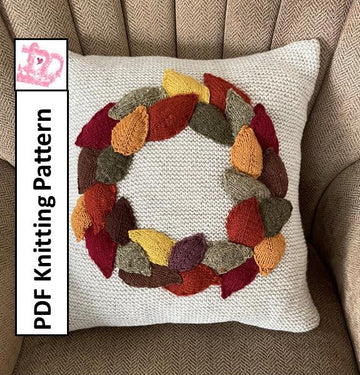 Autumn leaves pillow, garland and wreath
$10.31
Autumn leaves pillow, garland and wreath
$10.31
-
 Colour Block Cushion Cover
$6.68
Colour Block Cushion Cover
$6.68
-
 Doing the Rounds (A circle recipe)
$9.54
Doing the Rounds (A circle recipe)
$9.54
-
 Super Chunky Rope Cable Pillow Cover
$10.31
Super Chunky Rope Cable Pillow Cover
$10.31
-
 Fish and Stripes Cushion Cover
$5.63
Fish and Stripes Cushion Cover
$5.63
-
 Mrs Claus
$6.11
Mrs Claus
$6.11
-
 Rose Window Cushion
$4.01
Rose Window Cushion
$4.01
-
 Romantic Heart Pillow
$11.91
Romantic Heart Pillow
$11.91
-
 Lace Pillow
$1.22
Lace Pillow
$1.22
-
 Zig Zag and Twist Cushion Cover
$5.63
Zig Zag and Twist Cushion Cover
$5.63
-
 Spice Up a Sofa, 3
$3.82
Spice Up a Sofa, 3
$3.82
-
 Mr Fox Cushion
$11.91
Mr Fox Cushion
$11.91
-
 Finger Knit Bean Bag Cover
$3.82
Finger Knit Bean Bag Cover
$3.82
-
 Bliss Circle Pillow
$6.97
Bliss Circle Pillow
$6.97
-
 Deer Cushion
$7.64
Deer Cushion
$7.64
-
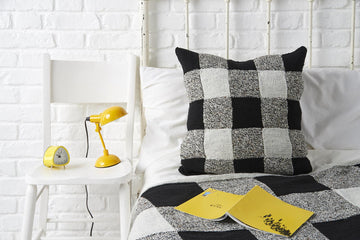 Check Mate blanket & cushion
$6.68
Check Mate blanket & cushion
$6.68
-
 Heart Pillow
$3.41
Heart Pillow
$3.41
-
 Herringbone Throw Pillow
$6.39
Herringbone Throw Pillow
$6.39
-
 Lattice Cushion Cover
$7.79
Lattice Cushion Cover
$7.79
-
 Modern Art Pillow - Kandinsky, Gravitation
$6.57
Modern Art Pillow - Kandinsky, Gravitation
$6.57
-
 Ismarl cushion cover
$8.02
Ismarl cushion cover
$8.02
-
 2-IN-1 REVERSIBLE CUSHION
$3.68
2-IN-1 REVERSIBLE CUSHION
$3.68
-
 Finger Knit 2 Stripe Bean Bag
$3.82
Finger Knit 2 Stripe Bean Bag
$3.82
-
 Big Friendly Kite
$5.73
Big Friendly Kite
$5.73
-
 Piggy Decorative Pillow
$4.96
Piggy Decorative Pillow
$4.96
-
 Party for One Pillow
$8.44
Party for One Pillow
$8.44
-
 Reach for the Stars cushion
$7.63
Reach for the Stars cushion
$7.63
-
 Obi The Owl Cushion Knitting Pattern.
$6.87
Obi The Owl Cushion Knitting Pattern.
$6.87
-
 Paul Klee Pillow
$2.04
Paul Klee Pillow
$2.04
-
 Aran Check Cushion
$7.64
Aran Check Cushion
$7.64
-
 ‘Beginner’ Cushion Cover and Throw
$6.87
‘Beginner’ Cushion Cover and Throw
$6.87
-
 Classic Celtic Cabled Clutch (or pillow top)
$6.26
Classic Celtic Cabled Clutch (or pillow top)
$6.26
-
 Classic Cushion Cover, Basic Pillowcase + VIDEO
$7.10
Classic Cushion Cover, Basic Pillowcase + VIDEO
$7.10
-
 Art Deco Style Sunburst Cushion Cover
$6.68
Art Deco Style Sunburst Cushion Cover
$6.68
-
 Cranberry Kisses
$6.87
Cranberry Kisses
$6.87
-
 Tassels Cushion Cover
$4.77
Tassels Cushion Cover
$4.77
-
 Peppi cushion
$9.54
Peppi cushion
$9.54
-
 Toy pillow Large Octopus
$11.92
Toy pillow Large Octopus
$11.92
-
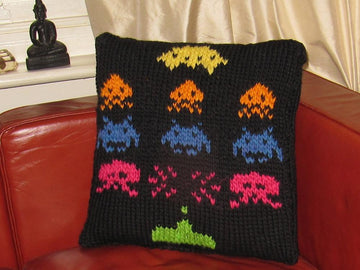 Superfast Retro Space Invaders Cushion
$5.73
Superfast Retro Space Invaders Cushion
$5.73
-
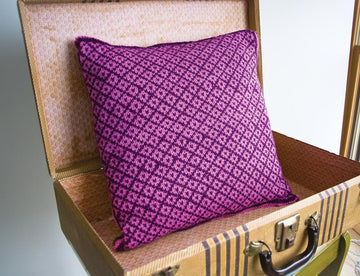 Fair isle pillow
$4.31
Fair isle pillow
$4.31
-
 Easy Chunky Pillow
$3.90
Easy Chunky Pillow
$3.90
-
 Striped Cushion Cover
$6.68
Striped Cushion Cover
$6.68
-
 Poppy Cushion
$7.64
Poppy Cushion
$7.64
-
 Welsh Daffodil Cushion Cover
$6.68
Welsh Daffodil Cushion Cover
$6.68


