

Aida & Embroidery Fabric
Browse aida fabric for cross stitch and embroidery in 11, 14, 16 and 18 count, plus evenweave and linen, in white, cream, black and a wide choice of colours. The stiff, clearly blocked weave is what makes aida the standard beginner fabric: every hole is obvious, so your stitches stay square without counting threads. Add cross stitch thread and a hoop or frame, or start from a chart in cross stitch patterns.
read more
-
 Zweigart 7ct Monks Cloth 27in x 39in
$22.99
Zweigart 7ct Monks Cloth 27in x 39in
$22.99
-
 Wichelt 35 Count Linen 18in x 27in
From $38.91
Wichelt 35 Count Linen 18in x 27in
From $38.91
-
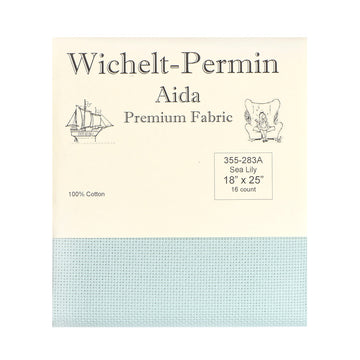 Wichelt 16 Count Aida HAND PICKED BY NORA CORBETT 18" x 25"
From $0.00
Wichelt 16 Count Aida HAND PICKED BY NORA CORBETT 18" x 25"
From $0.00
-
 Wichelt 28 Count Jobelan 18in x 27in
From $25.73
Wichelt 28 Count Jobelan 18in x 27in
From $25.73
-
 Zweigart 28 Count Cashel Linen 39in x 55in
$80.49
Zweigart 28 Count Cashel Linen 39in x 55in
$80.49
-
 Zweigart 28 Count Quaker Cloth 27in x 39in
$32.99
Zweigart 28 Count Quaker Cloth 27in x 39in
$32.99
-
 Zweigart 27 Count Linda 39in x 55in
$48.09
Zweigart 27 Count Linda 39in x 55in
$48.09
-
 Zweigart 18ct Aida - Sparkle 21" x 39"
$27.19
Zweigart 18ct Aida - Sparkle 21" x 39"
$27.19
-
 Zweigart 14 Count Rustico Aida 39in x 43in
$57.49
Zweigart 14 Count Rustico Aida 39in x 43in
$57.49
-
 Permin 32 Count Linen - 39in x 55in
$91.35
Permin 32 Count Linen - 39in x 55in
$91.35
-
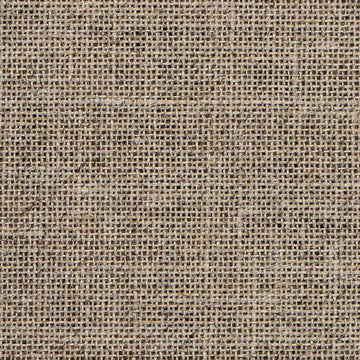 Wichelt 30 Count Linen 18in x 27in
From $36.13
Wichelt 30 Count Linen 18in x 27in
From $36.13
-
 Wichelt 32 Count Jobelan 18in x 27in
From $28.40
Wichelt 32 Count Jobelan 18in x 27in
From $28.40
-
 Zweigart 13ct Monks Cloth 39in x 55in
$52.99
Zweigart 13ct Monks Cloth 39in x 55in
$52.99
-
 Wichelt 40 Count Linen 18in x 27in
From $42.07
Wichelt 40 Count Linen 18in x 27in
From $42.07
-
 Zweigart 16ct Aida 39in x 43in
$46.99
Zweigart 16ct Aida 39in x 43in
$46.99
-
 Wichelt 16 Count Aida Pre Packaged Pre Cut (18in x 21in)
From $27.82
Wichelt 16 Count Aida Pre Packaged Pre Cut (18in x 21in)
From $27.82
-
 Zweigart 16 Count Rustico Aida 39in x 43in
$45.99
Zweigart 16 Count Rustico Aida 39in x 43in
$45.99
-
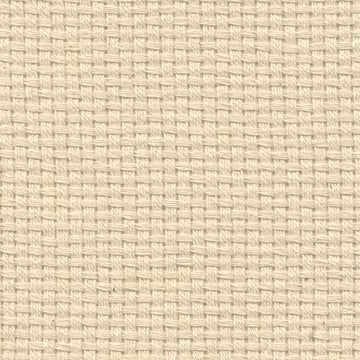 Zweigart 7ct Monks Cloth 39in x 55in
$46.99
Zweigart 7ct Monks Cloth 39in x 55in
$46.99
-
 Zweigart 11ct Aida 39" x 43"
$36.59
Zweigart 11ct Aida 39" x 43"
$36.59


