Crochet dresses for babies and toddlers
A crocheted baby dress is one of those makes that gets photographed, kept, and handed down. The pieces are small enough to finish quickly, the yarn quantities are modest, and even a simple shape looks special in the right colour. This collection runs from newborn through to about three years and covers the whole spectrum: everyday pinafores worn over a t-shirt and leggings, breezy shell-stitch summer frocks, dressy lace christening gowns with satin ribbon ties, and sturdy DK dresses for autumn.
How the dresses are constructed
- Top-down yoke: start at the neck, increase in rounds or rows to shape the yoke, divide for the sleeves, and work the skirt straight down. Almost seamless, and easy to lengthen as you go.
- Bodice and skirt: a simple stitched bodice with a skirt worked into the lower edge, often with a button placket at the back.
- Motif and granny stitch: squares or rounds joined into a pinafore shape — very forgiving and a good use of leftover yarn.
- Two-panel: front and back worked flat, seamed at the sides and shoulders, with ribbon straps.
Choosing the size
Patterns are labelled by age, but babies vary enormously, so work to the finished chest and length measurements listed. A rough guide: 41cm chest for 0–3 months, 46cm for 6–12 months, 51cm for 18–24 months. The chest measurement must be right; skirt length is easy to add to. If you're making a gift and the baby hasn't arrived, aim for 6–12 months rather than newborn — the dress will get far more wear, and summer dresses in particular are often made for a season the baby hasn't reached yet.
Yarn and hook choices
For warm weather, mercerised cotton or a cotton-bamboo blend in 4 ply or DK gives crisp stitch definition, keeps its shape and washes beautifully; a 3–4mm hook is typical. For cooler months, a soft superwash merino or a good DK acrylic blend on a 4mm hook gives a dress that's warm without being heavy. A 6–12 month dress usually takes somewhere between 200 and 350m, depending on skirt fullness and stitch pattern. Whatever you choose, prioritise softness at the neck and armholes — anything scratchy will be pulled off within minutes.
Comfort, safety, and finishing details
Keep seams flat and on the outside of the fabric where possible, or use a join-as-you-go method to avoid them altogether. Sew buttons on with doubled thread and check them regularly; for very young babies, ribbon ties or a wide envelope neckline are safer and easier than a row of small buttons. Weave ends in thoroughly. If you're working a very open lace skirt, either line it with a soft cotton slip or plan for it to be worn over a plain vest and leggings, which is how most parents will use it anyway.
Techniques and how to learn them
Most designs here use nothing more exotic than double crochet, treble crochet, chain spaces, and shells. Shaping is done with increases spaced around a yoke, and the trickiest moment is usually dividing for the armholes — mark the division points with stitch markers before you begin the round. Picture tutorials and stitch diagrams in the PDFs cover shell stitch, the classic granny cluster, and picot edgings; work a small swatch of any unfamiliar stitch before starting the real thing.
Washing and keeping
Check the ball band and choose machine-washable yarn, where you can — baby clothes need washing far more often than the maker anticipates. Dry cotton dresses flat, since a wet crocheted skirt will stretch alarmingly if hung. For heirloom pieces, wash gently by hand, dry flat, and store wrapped in acid-free tissue.
Questions
Are there free crochet baby dress patterns to download? Yes, free PDFs are included throughout, ready to print or read on a tablet.
How long does a 6–12 month dress take? A simple pinafore over a weekend; a lace christening gown across several weeks.
Which yarn is best for a summer dress? Cotton or a cotton blend, for coolness and stitch definition.
What else can I make? Try crochet dress patterns for grown-ups, or browse more free crochet patterns.


 Heirloom Baby Set in Red Heart Aunt Lydia's Classic Crochet Thread Size 10 Natural - LC2712
$0.00
Heirloom Baby Set in Red Heart Aunt Lydia's Classic Crochet Thread Size 10 Natural - LC2712
$0.00
 Baby Christmas Outfit
$7.48
Baby Christmas Outfit
$7.48
 Ribbon Candy Infant Dress
$7.02
Ribbon Candy Infant Dress
$7.02
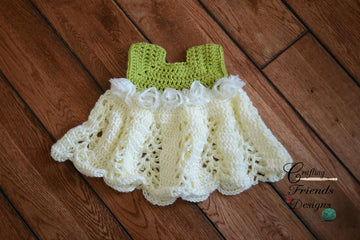 Ribbon & Lace Infant Dress
$7.10
Ribbon & Lace Infant Dress
$7.10
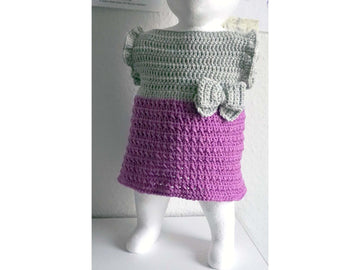 Häkelanleitung für ein bezauberndes Babykleid
$4.40
Häkelanleitung für ein bezauberndes Babykleid
$4.40
 Princess Britt Infant Dress
$7.02
Princess Britt Infant Dress
$7.02
 Princess Daisy Baby Costume
$10.64
Princess Daisy Baby Costume
$10.64
 Crochet pattern for an adorable baby strap dress
$6.04
Crochet pattern for an adorable baby strap dress
$6.04
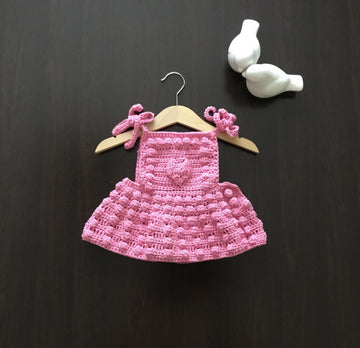 Sweetheart Tie Strap Dress N 654
$7.10
Sweetheart Tie Strap Dress N 654
$7.10
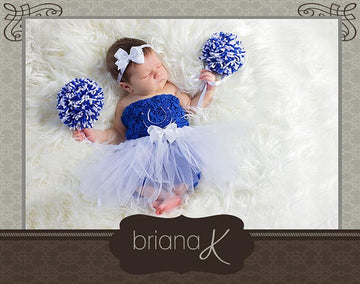 Cheerleader
$7.38
Cheerleader
$7.38
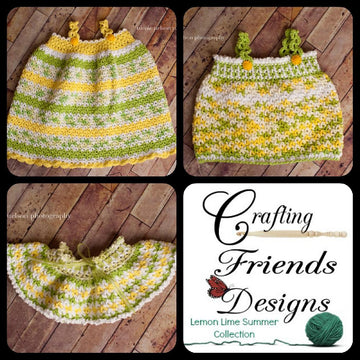 Lemon Lime Summer Collection
$8.44
Lemon Lime Summer Collection
$8.44
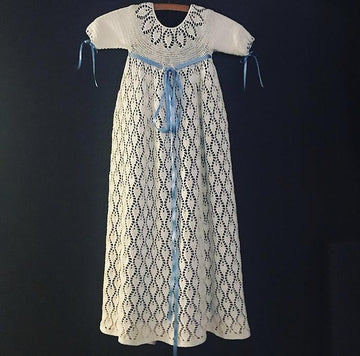 Løv christening gown
$13.09
Løv christening gown
$13.09
 Vintage Baby Crochet Over-All Dress
$7.08
Vintage Baby Crochet Over-All Dress
$7.08
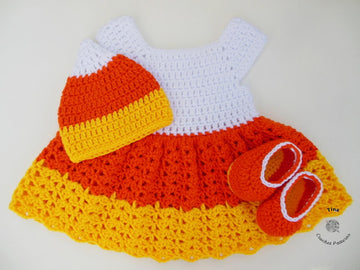 Candy Corn Baby Hat, Dress and Shoes Outfit
$10.64
Candy Corn Baby Hat, Dress and Shoes Outfit
$10.64


