What you are actually buying
Cashmere is a fine, short-stapled fibre combed from the undercoat of certain goats, and the reason it costs what it costs is that each animal yields very little of it per year. The fineness is what makes it feel the way it does: individual fibres are thin enough that they bend against the skin rather than pressing into it, which is the physical reason cashmere does not prickle. The short staple also explains its weakness. Cashmere is less strong than wool and pills more readily, particularly where a garment rubs. Blends with merino, silk or a little nylon keep most of the softness and add real durability, which is why they dominate the sock and everyday-jumper end of the range.
What to make with it
- Scarves and cowls: the classic use. Next to the neck is where the softness is most obvious, and one or two skeins is a realistic outlay.
- Wraps and shawls: light enough to wear indoors, warm enough to matter.
- Hats and headbands: a small amount of yarn for a disproportionate improvement over an acrylic beanie.
- Special jumpers and cardigans: plan the budget and the yarn quantity before you fall in love with a pattern.
- Baby heirlooms: a cashmere blend christening shawl, kept for occasions rather than daily wear.
Stitch pattern and tension
Cashmere blooms when washed – the fibres relax and fill the gaps between stitches – so the fabric you see on the needles is not the fabric you will end up with. Swatch and wash the swatch, without exception; the tension usually loosens and the fabric softens. Simple stitch patterns show cashmere off best, because the halo blurs fine detail: stocking stitch, wide ribs, generous cables, garter. Very fine lace is a waste of the fibre, since the pattern will soften into a fog after a few wearings. Work at a slightly firmer tension than you might for wool, because a loose cashmere fabric has little recovery and will drop.
Buying, quantity and blends
Plan by metres and buy the entire quantity in one dye lot; cashmere is the last yarn you want to be one skein short of. A scarf may need 300 to 500 metres, a wrap more, an adult jumper anywhere from 900 to 1,800 metres depending on size and weight, which is a serious purchase. A practical middle path many knitters take is to hold a fine cashmere or cashmere-silk yarn together with a plainer wool, which lifts the whole fabric for a fraction of the cost. Re-swatch when you do this, as holding two strands changes tension and drape.
Care, pilling and storage
Hand wash in lukewarm water with a wool wash or baby shampoo, never agitate, and squeeze rather than wring. Roll in a towel, then dry flat and away from radiators. Pilling is normal rather than a defect: cashmere pills where it rubs, at the cuffs, under the arms and where a bag strap sits. Deal with it using a cashmere comb or a fabric shaver every few wears, and the garment will look better after a year than an untreated one does after a month. Store folded in a breathable bag with cedar or lavender, because moths find cashmere even more appealing than you do. Never hang it.
Cashmere yarn questions
Is cashmere warmer than wool?
For its weight, yes. It insulates well while staying very light, which is why a thin cashmere scarf outperforms a much bulkier one.
Why does my cashmere pill?
The fibre is short, so ends work their way to the surface with friction. Comb the pills off gently; it does not damage the garment.
Can cashmere be machine washed?
Only if the ball band explicitly says so. Hand washing in cool water is the safe default.
Is a cashmere blend worth buying?
Often, yes. Merino, silk or nylon blends keep most of the handle, add strength and cost less.
What should a first cashmere project be?
A cowl or a scarf – small, simple, and it puts the fibre exactly where you will notice it.
Where to go next
Most cashmere here is blended with merino: see merino wool yarn and silk blends. For other luxury fibres try alpaca and mohair. By weight, cashmere blends are easiest to find at 4 ply, DK and aran.


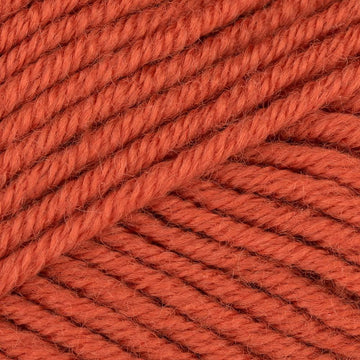 Debbie Bliss Baby Cashmerino
$8.75
Debbie Bliss Baby Cashmerino
$8.75
 Debbie Bliss Cashmerino Aran
$12.50
Debbie Bliss Cashmerino Aran
$12.50
 Debbie Bliss Cashmerino DK
$8.75
Debbie Bliss Cashmerino DK
$8.75
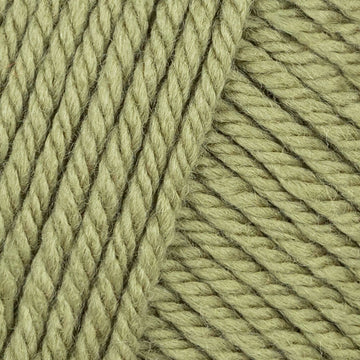 Debbie Bliss Cashmerino Chunky
$8.75
Debbie Bliss Cashmerino Chunky
$8.75
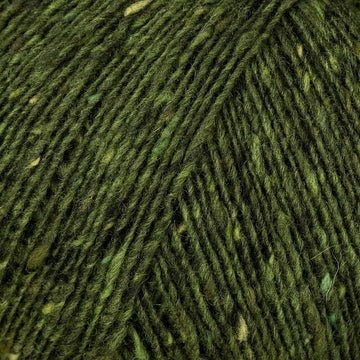 Debbie Bliss Fine Donegal
$29.75
Debbie Bliss Fine Donegal
$29.75
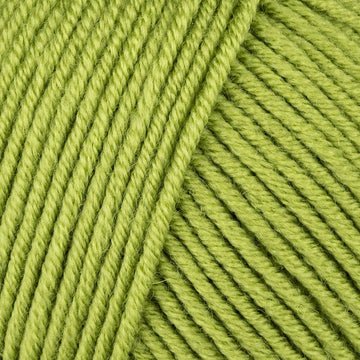 Sirdar Snuggly Cashmere Merino DK
$20.39
Sirdar Snuggly Cashmere Merino DK
$20.39
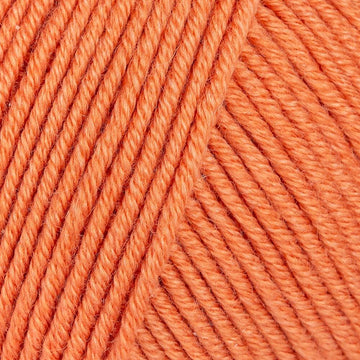 Sirdar Cashmere Merino Silk DK
$20.39
Sirdar Cashmere Merino Silk DK
$20.39
 Sirdar Snuggly Cashmere Merino Silk DK
$20.39
Sirdar Snuggly Cashmere Merino Silk DK
$20.39
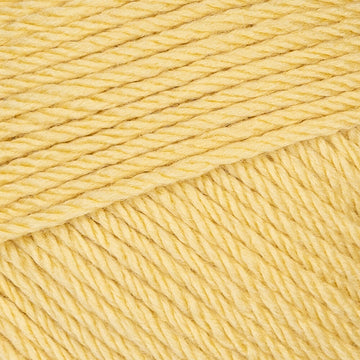 Rowan Baby Cashsoft Merino
$20.39
Rowan Baby Cashsoft Merino
$20.39
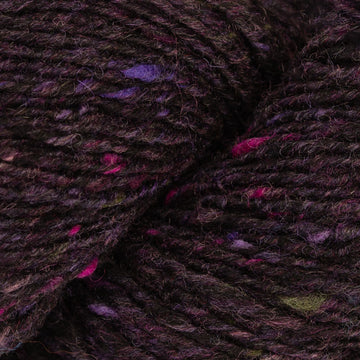 Debbie Bliss Fine Donegal 50g
$11.20
Debbie Bliss Fine Donegal 50g
$11.20
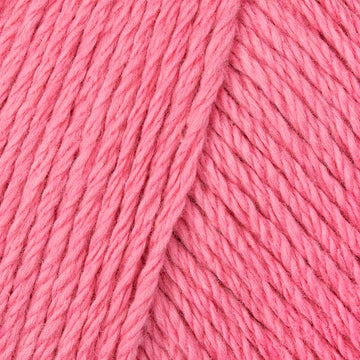 Rowan Cotton Cashmere
From $12.60
Rowan Cotton Cashmere
From $12.60
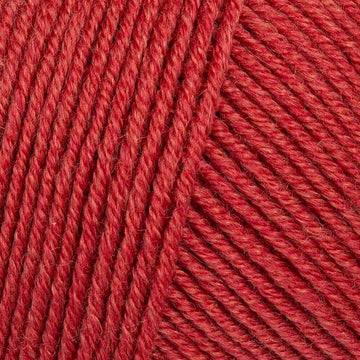 Sirdar Snuggly Cashmere Merino Silk 4 Ply
$20.39
Sirdar Snuggly Cashmere Merino Silk 4 Ply
$20.39
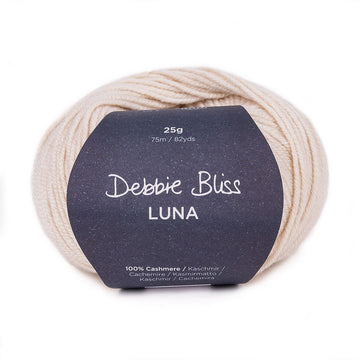 Debbie Bliss Luna
$27.99
Debbie Bliss Luna
$27.99
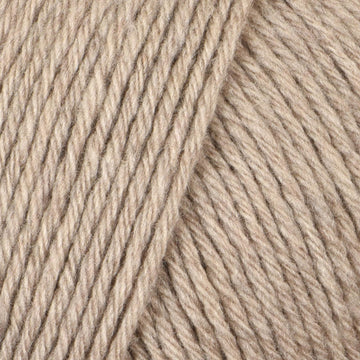 Valley Yarns Brodie
$32.99
Valley Yarns Brodie
$32.99
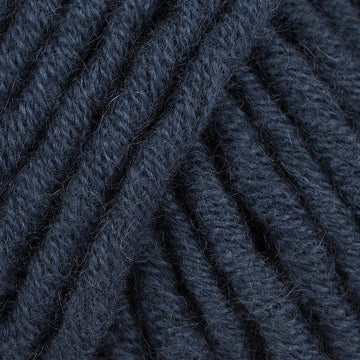 Lang Yarns Cashmere Big
$78.00
Lang Yarns Cashmere Big
$78.00
 Valley Yarns Wachusett
$28.12
Valley Yarns Wachusett
$28.12
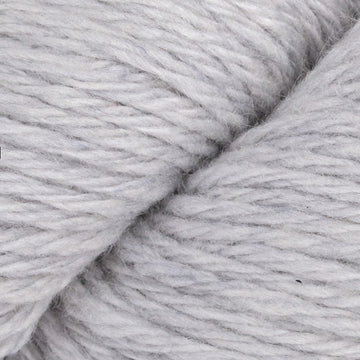 Rowan Pure Cashmere
$81.59
Rowan Pure Cashmere
$81.59
 Valley Yarns Taconic
$33.99
Valley Yarns Taconic
$33.99
 Berroco Renew
From $0.00
Berroco Renew
From $0.00
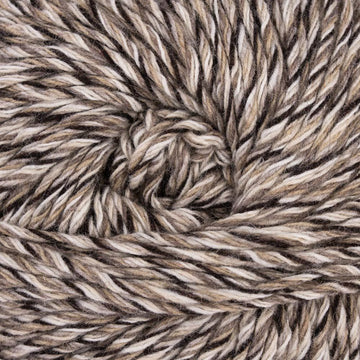 Valley Yarns Savoy
$13.99
Valley Yarns Savoy
$13.99


