Why chunky cotton behaves differently
Everything you know about chunky wool needs adjusting for cotton. Cotton has no crimp and therefore no memory: it will not spring back after stretching, and it takes dye brilliantly, which is why the colours in this range look so saturated. At chunky and super chunky thickness that lack of stretch becomes an advantage. A basket worked in super chunky cotton stands up on its own. A bath mat lies flat and absorbs water. A market bag stretches around a melon and does not stay stretched permanently the way an acrylic one might.
What to make with it
- Homeware: storage baskets, plant pot covers, bath mats, coasters and placemats, mostly worked in tight single or double crochet.
- Bags: tote and market bags, where cotton's strength carries weight that wool would sag under.
- Summer throws and cushions: cool to touch, washable, and heavier than the wool equivalent.
- Quick garments: a boxy summer top or a chunky cardigan, remembering that cotton will lengthen with wear.
Hooks, needles and tension
Chunky cotton generally suits 5mm to 8mm tools, and super chunky rather more. For homeware, go down a size or two from the ball band recommendation: a firm fabric is what makes a basket stand rather than slump. For a garment, stay at the recommended tension or slightly above, or the fabric turns into board. Cotton is harder on the hands than wool, so if you crochet tightly consider a hook with a wider handle and work in shorter sessions.
Quantities and weight
Cotton is dense, so a ball of chunky cotton contains fewer metres than a wool ball of the same gram weight. Always buy by metreage against the pattern's stated requirement, and expect a large item to be heavier in the hand than you predicted. A super chunky cotton throw is a substantial object; that weight is lovely on a sofa and less lovely in a cardigan with long sleeves.
Designing for no stretch
Where a wool pattern relies on ribbing to pull in a hem or a cuff, cotton will not oblige. Plan instead for structural solutions: a drawstring at the top of a bag, a folded and stitched hem, a row of firm single crochet as an edging, or a smaller hook for the final rounds. For garments, choose a boxy or A-line shape over a fitted one and size down slightly at the body length, because gravity will add a few centimetres over the first season.
Washing and finishing
Cotton washes well and only gets softer. Most chunky cottons take a cool machine wash; dry flat and reshape while damp, particularly for anything meant to lie flat. Weave ends in securely and split the yarn as you weave, since cotton ends are slippery and can work back out. If a basket relaxes over time, a wash and a firm reshape while damp usually restores it.
Chunky cotton yarn questions
What is chunky cotton yarn best for? Homeware and bags above all: baskets, mats, cushions and totes that need structure rather than stretch.
Can I use it for a jumper? Yes, but choose a relaxed shape and expect a heavy garment that grows in length with wear.
What hook size should I use? Start at the ball band recommendation for garments and go one or two sizes smaller for anything that needs to hold its shape.
Is it machine washable? Usually yes at a cool temperature, but check the individual ball band before washing a finished item.
How is super chunky different from chunky? Super chunky is noticeably thicker, works on larger tools and finishes faster, at the cost of a stiffer, heavier fabric.


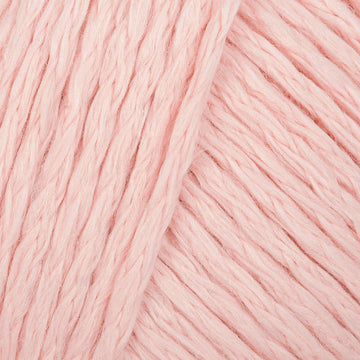 Debbie Bliss Dulcie
$5.20
Debbie Bliss Dulcie
$5.20
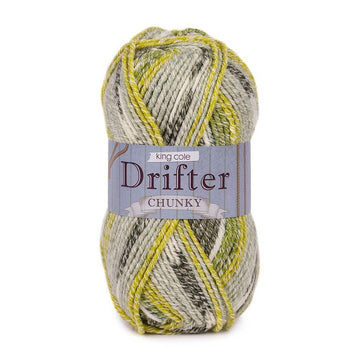 King Cole Drifter Chunky
From $10.75
King Cole Drifter Chunky
From $10.75
 Tahki Yarns Hatteras
$12.99
Tahki Yarns Hatteras
$12.99
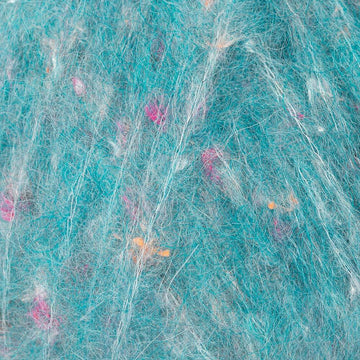 Rowan Tweed Haze
$22.00
Rowan Tweed Haze
$22.00
 Sirdar Stories Chunky
$10.00
Sirdar Stories Chunky
$10.00
 Berroco Remix Chunky
$14.00
Berroco Remix Chunky
$14.00
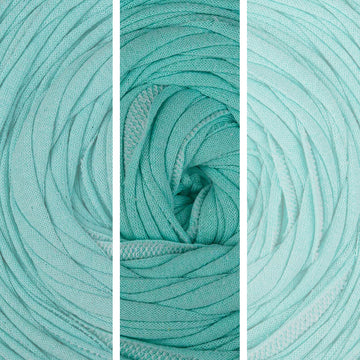 Paintbox Yarns Recycled T-Shirt 450g
$5.53
Paintbox Yarns Recycled T-Shirt 450g
$5.53
 Tahki Yarns Hatteras Splash
$14.99
Tahki Yarns Hatteras Splash
$14.99
 Rowan Alpaca Sparkle
From $14.00
Rowan Alpaca Sparkle
From $14.00
 King Cole Simply Denim Chunky
$9.40
King Cole Simply Denim Chunky
$9.40
 Berroco Gimlet
$13.00
Berroco Gimlet
$13.00
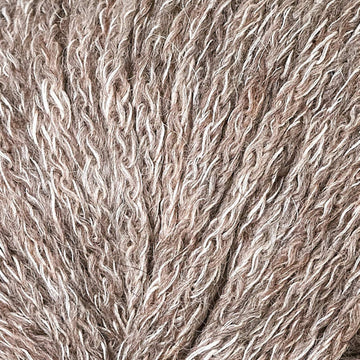 Berroco Hearthside
$19.00
Berroco Hearthside
$19.00
 Berroco Emberstone
$20.50
Berroco Emberstone
$20.50


