A yarn range built around natural fibre
Willow & Lark's bases are led by wool and wool blends, with cashmere, mohair and silk appearing in the more luxurious lines. That fibre choice determines everything about how the yarn behaves. Wool has memory, so ribbing snaps back and a cuff still fits after a winter. Cashmere adds softness and warmth without weight but pills more readily. Mohair contributes halo and light, catching the light around the stitch rather than in it, and is nearly impossible to unpick cleanly. Silk gives shine and weight, and it drapes rather than springs.
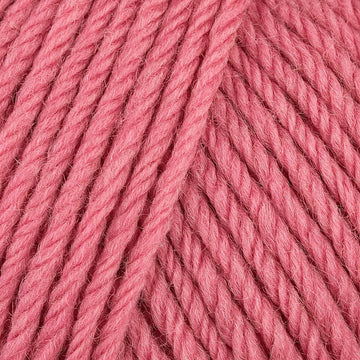
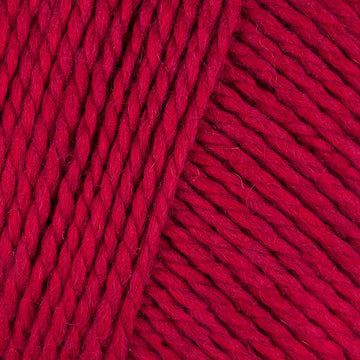
The palette is deliberately restrained, with heathered and tonal shades rather than flat brights, which is why these yarns look so good in textured stitches.
Matching yarn to project
- Jumpers and cardigans: the wool and merino bases, which block well and hold shape at the shoulder.
- Cables and textured knitting: a smooth, well-plied wool. The heathered shades lift stitch definition instead of hiding it.
- Shawls and light layers: mohair and silk blends, held alone or carried alongside a finer yarn for halo.
- Next-to-skin accessories: the cashmere blends, for cowls, hats and mitts where softness matters most.
- Colourwork: a colour pack, which gives you a coordinated set of shades in small quantities rather than a full ball of each.
Tension, quantity and substitution
Always work a tension square in the stitch pattern you will actually use, wash it and let it dry before measuring, because wool blends bloom and relax and merino in particular can spread. Buy to the pattern's total metres, not to ball count, and keep to a single dye lot across a garment; heathered shades blend better than solids if you do have to mix, but alternating balls every two rows is still the safest approach. For a substitution, match tension first, then think about fibre: swapping a springy wool for a silk blend will change the fit of a fitted garment even at identical tension.
Handling mohair and cashmere
Mohair is easiest to knit slightly more loosely than instinct suggests, since the halo fills the gaps. If you must unpick it, freeze the piece for an hour first and the fibres separate more willingly. Cashmere and cashmere blends will pill at friction points during the first weeks of wear; comb or shave gently and the shedding slows markedly once the short loose fibres are gone. Neither behaves well under a hot iron, so block by soaking and pinning rather than pressing.
Washing and storing
Hand wash in lukewarm water with a wool wash unless the ball band states superwash, squeeze without wringing, roll in a towel and dry flat. Never hang a wet garment. Store folded in a breathable bag with a cedar block or lavender, since natural fibres, particularly cashmere and untreated wool, are exactly what clothes moths look for.
Willow & Lark yarn questions
What weights are available? The range spans fine through DK and aran weights depending on the base; check the individual product page for tension and metres.
Is it machine washable? Only where the ball band says so. Treat the luxury blends as hand wash.
Does it pill? Cashmere and mohair blends will pill a little at first, mostly at the underarms and cuffs. Gentle combing or a sweater shaver keeps garments looking new, and the shedding settles down after a few wears.
What are colour packs for? Small coordinated quantities of several shades, ideal for Fair Isle, stripes and blanket squares.
Can I use it for crochet? Yes. Crochet uses noticeably more yardage than knitting for the same area, often around a third more, so buy generously and always work to metres rather than to ball count.