How self-striping yarn actually works
The colour changes are dyed into the length of the yarn before it is wound, in runs long enough to produce a stripe of a certain depth once knitted. That is the crucial detail: the stripe depth you get depends on how many stitches you have per row. A sock yarn dyed to give neat stripes on a 64-stitch sock will produce much narrower bands on a wide shawl and much deeper ones on a narrow scarf. Nothing is wrong when this happens; it is the geometry of the project meeting a fixed length of colour on the yarn.
The different kinds in this collection
- Classic self-striping: distinct blocks of colour that repeat, as in Paintbox Yarns Socks and James C. Brett Marble.
- Cake yarns: long gradient runs wound as a cake, such as Caron Cakes and Scheepjes Whirl, shading gradually rather than switching abruptly.
- Self patterning: yarns dyed to produce a jacquard or fair-isle look automatically, popular in sock weights.
- Soft baby shades: Hayfield Baby Blossom and Rico Baby Dream, gentle shading for pram blankets and matinee coats.
- Chunky options: Paintbox Chunky Pots and Party Time Chunky, where each stripe is finished in minutes.
Projects that show it off best
Anything with a consistent stitch count is where these yarns shine, because the stripes stay even. Socks are the obvious case and the reason many of these yarns exist. Plain beanies, cowls, mitts and simple scarves all work beautifully. Triangular shawls that grow every row are more interesting: the stripes narrow steadily as the rows lengthen, and with a gradient cake this produces the fade effect people buy Whirl for. What these yarns fight against is heavy texture: cables, lace and colourwork compete with the stripes, and both lose, so keep the stitch pattern plain and let the yarn take the spotlight.
Matching socks and controlling the stripes
To get a matching pair of socks, start both from the same point in the colour sequence: wind off yarn until you reach the beginning of a particular colour, then cast on. Toe-up and cuff-down both work as long as you are consistent. If a colour run is much longer than you want, cut it and rejoin at the next colour, saving the removed length to keep the second sock matching. And when knitting two socks from one ball, wind the ball into two equal halves by weight first, otherwise you will run short on the second heel.
Pooling, flashing and how to handle them
Pooling is when colours stack up into blotches instead of stripes, and it happens when the colour repeat happens to sync with your row length. Here are three fixes to try:
- 1. Change the stitch count slightly, by a few stitches either way, which shifts the rhythm.
- 2. Alternate two balls every two rows, which breaks the sequence entirely.
- 3. Change hook or needle size, which alters how much yarn each row consumes. Crochet pools more readily than knitting because stitches use more yarn, so expect to intervene more often.
Care and finishing
Follow the ball band, as these yarns span wool, superwash sock blends, cotton and acrylic. When joining a new ball, join at the point in the sequence where the old one left off rather than mid-stripe, or the pattern jumps visibly. Weave ends into the matching colour so they do not shadow through, and block finished pieces to even out the stripe edges, which often look slightly stepped straight off the needles.
Self-striping yarn questions
What is self-striping yarn? Yarn dyed in long colour runs so that stripes appear automatically as you knit or crochet, with no colour changes to work.
What is the difference between self-striping and variegated yarn? Self-striping has long colour runs that form clear bands; variegated changes colour over short distances and mottles instead.
How do I make socks match? Begin both socks at the same point in the colour sequence, winding off yarn until you reach it.
Why are my stripes blotchy? That is pooling. Adjust your stitch count, change needle size, or alternate two balls every couple of rows.
Can I use self-striping yarn for cables or lace? You can, but the stripes and the texture obscure each other. Plain stocking stitch or double crochet shows the colour best.


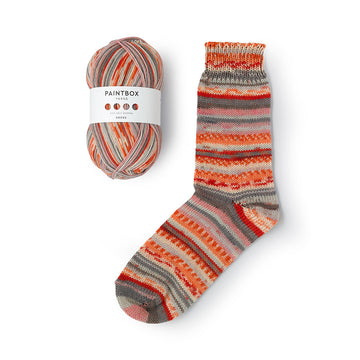 Paintbox Yarns Socks
$7.80
Paintbox Yarns Socks
$7.80
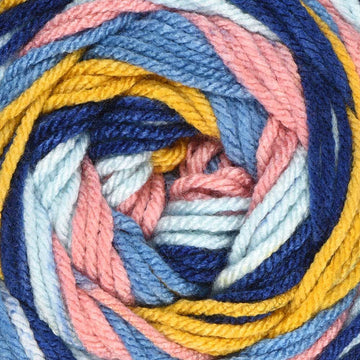 Paintbox Yarns Chunky Pots
$8.13
Paintbox Yarns Chunky Pots
$8.13
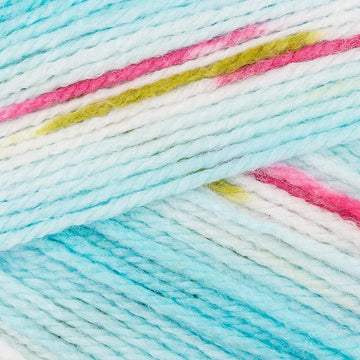 Hayfield Baby Blossom DK
From $8.50
Hayfield Baby Blossom DK
From $8.50
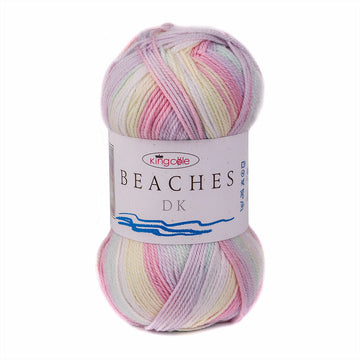 King Cole Beaches DK
$9.63
King Cole Beaches DK
$9.63
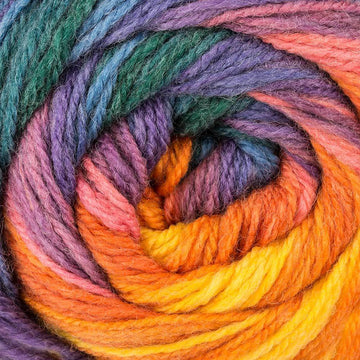 Hayfield Spirit DK
From $7.49
Hayfield Spirit DK
From $7.49
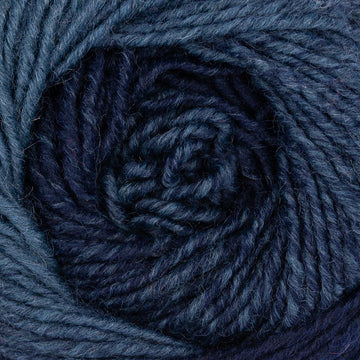 Paintbox Yarns Ombre Aran Wool Touch
$9.25
Paintbox Yarns Ombre Aran Wool Touch
$9.25
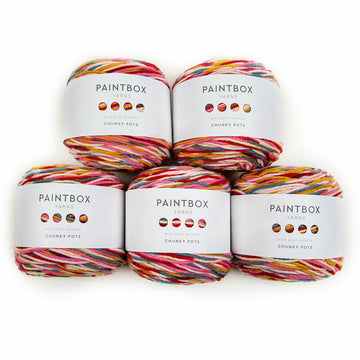 Paintbox Yarns Chunky Pots 5 Ball Value Pack
$56.25
Paintbox Yarns Chunky Pots 5 Ball Value Pack
$56.25
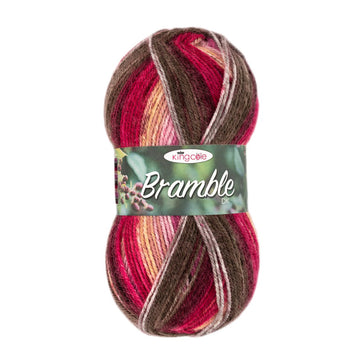 King Cole Bramble DK
$6.45
King Cole Bramble DK
$6.45
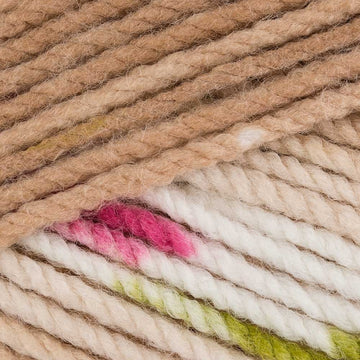 Hayfield Baby Blossom Chunky
From $8.25
Hayfield Baby Blossom Chunky
From $8.25
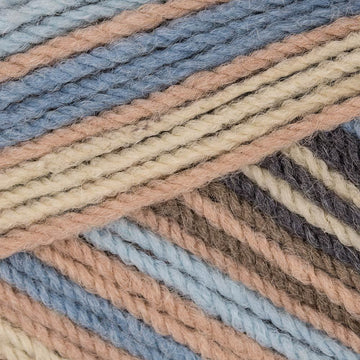 Plymouth Yarn Encore Worsted Colorspun
From $7.99
Plymouth Yarn Encore Worsted Colorspun
From $7.99
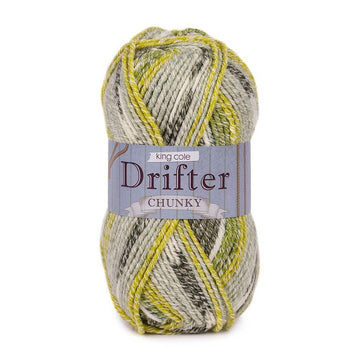 King Cole Drifter Chunky
From $10.75
King Cole Drifter Chunky
From $10.75
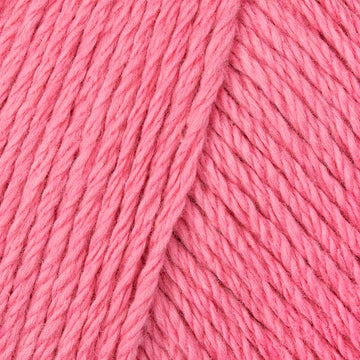 Rowan Cotton Cashmere
From $15.49
Rowan Cotton Cashmere
From $15.49
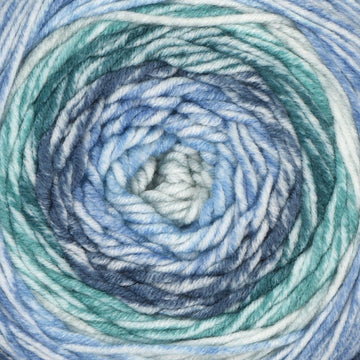 Lion Brand Mandala Ombre
$7.99
Lion Brand Mandala Ombre
$7.99
 Stylecraft Merry Go Round XL
$7.69
Stylecraft Merry Go Round XL
$7.69
 King Cole Harvest DK
$14.51
King Cole Harvest DK
$14.51
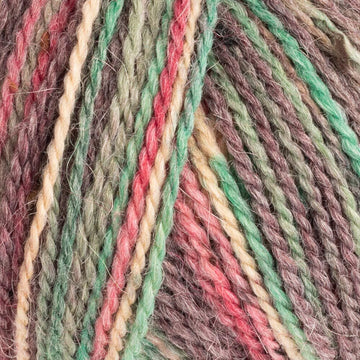 King Cole Homespun Prism DK
$5.35
King Cole Homespun Prism DK
$5.35
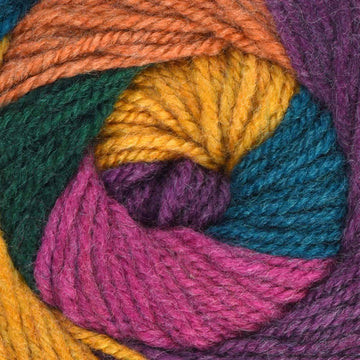 Plymouth Yarn Hot Cakes
From $12.40
Plymouth Yarn Hot Cakes
From $12.40
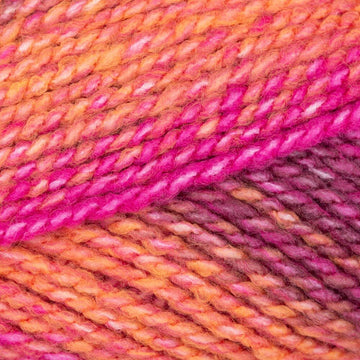 Universal Yarn Major
$11.19
Universal Yarn Major
$11.19
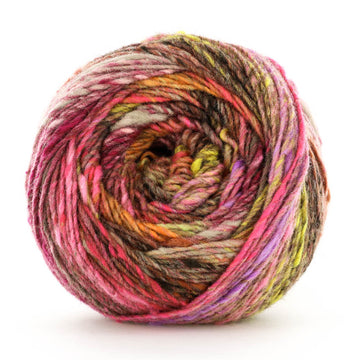 Noro Ito
From $51.00
Noro Ito
From $51.00
 Paintbox Yarns Socks 5 Ball Value Pack
$54.00
Paintbox Yarns Socks 5 Ball Value Pack
$54.00


