Your selection may affect price, shipping options and product availability.

Suggested countries


All countries

Baby Yarn

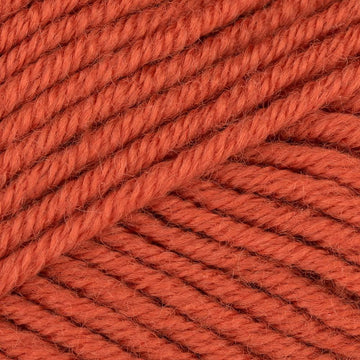
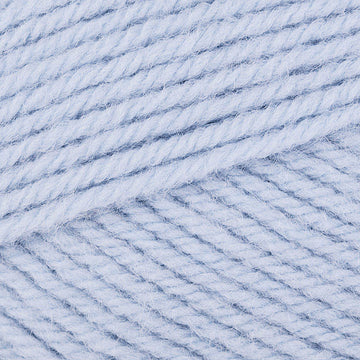
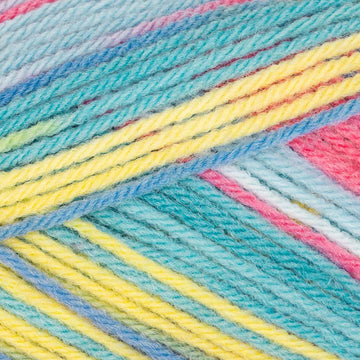
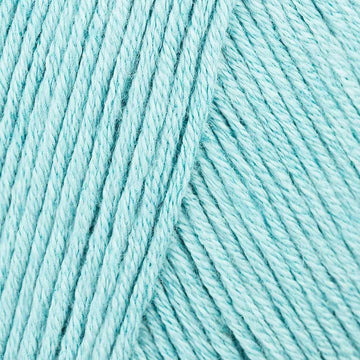
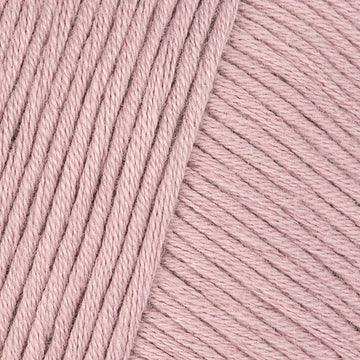
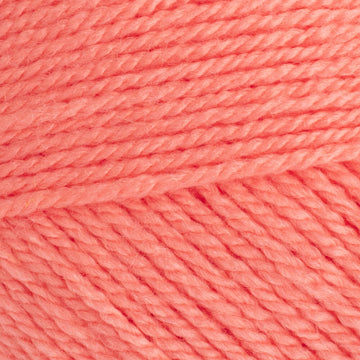
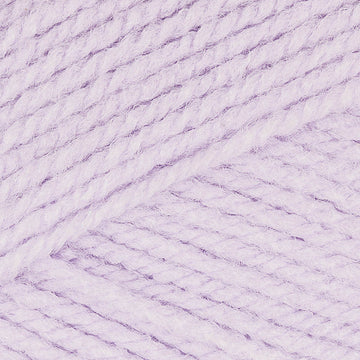
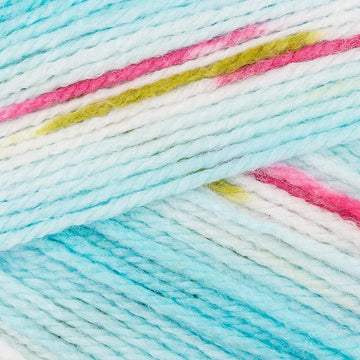
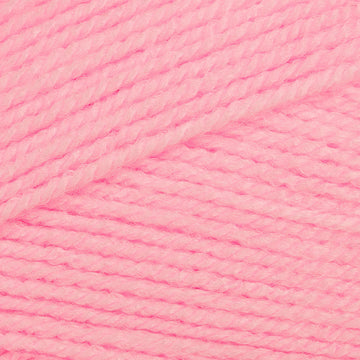
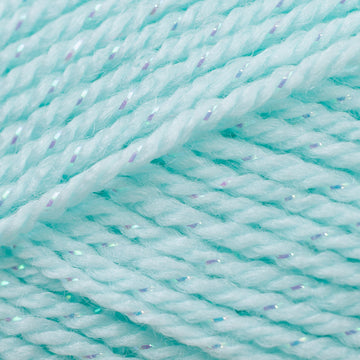
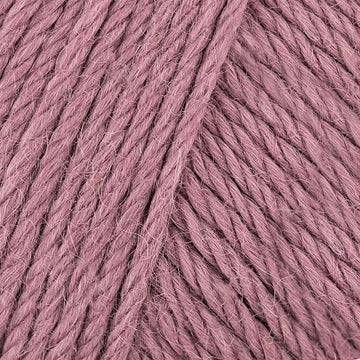
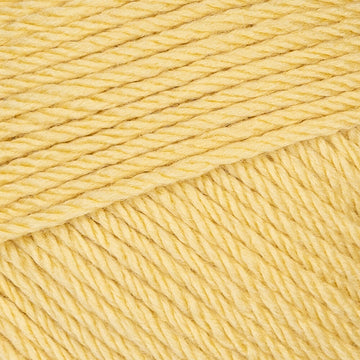
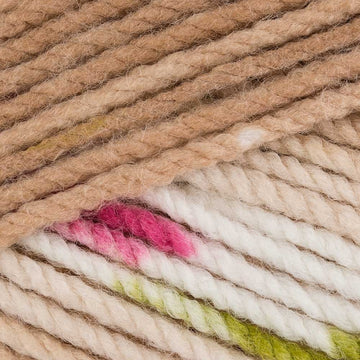
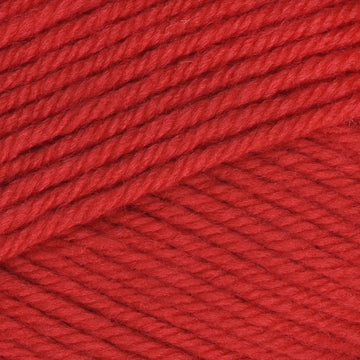
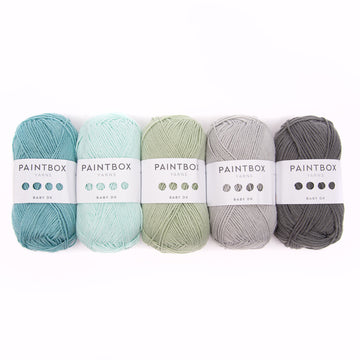
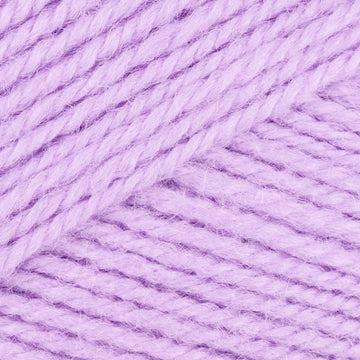
Browse our sweet collection of baby yarn and baby wool chosen for softness next to new skin, in 4 ply, DK and chunky weights and a full range of colours from traditional white, cream and lemon to brights. Most is machine washable acrylic, acrylic blend or superwash cotton, which is what parents actually need, and there are cotton and bamboo blends for warmer weather. Find something to make with it in easy baby knitting patterns, compare weights in 4 ply yarn and DK yarn.
read more

What makes a yarn a baby yarn

Baby yarn is defined less by fibre than by finish. The fibres are spun and treated so there are no scratchy ends standing proud of the strand, which is why so much of it is acrylic, acrylic and nylon, or superwash-treated wool and cotton. Soft handle is only half of it: the other half is laundry. Anything a baby wears will be washed constantly, often at short notice, and a yarn that felts or shrinks in a warm machine cycle will not survive its first month. Check the ball band for the washing symbol before you fall in love with a colour.

The range here runs from very fine 4 ply for christening shawls and matinee coats, through DK for cardigans and hats, to chunky and blanket yarns for pram covers.

Choosing by project

  • Blankets and pram covers: DK or chunky acrylic and blends. Washable, warm, and light enough not to weigh a baby down.
  • Cardigans, matinee coats and bootees: 4 ply or DK. Superwash blends give the neat stitch definition small garments need.
  • Summer projects: cotton and bamboo blends, which are cool, drape well and take repeated washing.
  • Christening and heirloom pieces: the finest 4 ply and lace weights, often with a little silk or a soft wool blend.
  • Toys: tightly spun smooth yarns so stuffing does not show through the fabric.

How much yarn to buy

Baby garments are small, which tempts people into buying too little yarn. A newborn cardigan in DK is often two or three 100g balls, while a 0 to 3 month blanket can easily take five or six - and even more if it is patterned or bordered. Buy the full quantity in one dye lot at the start, since baby shades in particular vary noticeably between lots and a sleeve knitted from a later ball will show. Work to metres, not balls, as ball weights differ between brands. And don’t be afraid to add in an extra “safety skein” of yarn - you can always make a sweet hat or pair of booties to match.

Safety, comfort and finishing

Avoid loose loops, long floats on the inside and anything that can be pulled off and swallowed: embroider features on toys rather than sewing on beads or buttons, and use ribbon ties instead of small fastenings where you can. Weave ends in very securely and trim close, because tiny fingers find them. Seam with the project yarn and mattress stitch so the join lies flat against skin, and press seams lightly rather than hard, which flattens the softness you paid for.

Care and gifting

Include the ball band, or a written note of the washing instructions, with anything you give as a gift; a new parent should not have to guess. Wash finished pieces before gifting to remove any dust from your work bag and to bloom the fibres. Store in a breathable bag rather than sealed plastic, and keep any leftover balls with it in case a cuff needs repairing later.

Baby yarn questions

Is baby yarn actually wool? Often not. Much of it is acrylic or a blend chosen because it is soft and machine washable, though superwash wool and cotton options are available.

What weight is best for a baby blanket? DK is the usual choice for year-round use; chunky makes a quicker, warmer pram blanket.

Can I use ordinary wool for a baby? You can, but choose superwash and check softness against your own neck first; untreated wool may feel prickly and needs hand washing.

How many balls for a newborn cardigan? Usually two to three 100g balls of DK, but always follow the pattern's stated yardage.

Is cotton good for babies? Yes, particularly for summer and for anyone worried about wool sensitivity. It has less stretch, so ribbing will be softer and looser.

Added to your cart!

Your Cart Is Empty

Start Shopping