

Crochet Jumper Patterns
Crochet a jumper you'll reach for every week, from lightweight summer tops to chunky winter sweaters. You'll find ladies' crochet jumper patterns, hoodies and pullovers, granny square styles and plain textured makes, with free crochet jumper patterns among them. New to garments? Start with our beginner crochet patterns, or try a crochet cardigan instead.
read more
-
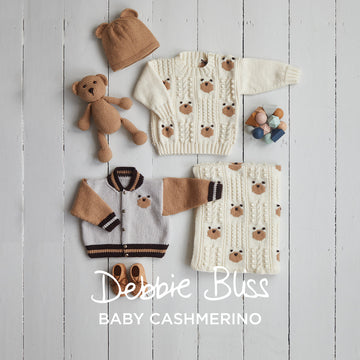 Bear Necessities Set - Layette Knitting and Crochet Pattern for Babies in Debbie Bliss Baby Cashmerino by Debbie Bliss
$5.00
Bear Necessities Set - Layette Knitting and Crochet Pattern for Babies in Debbie Bliss Baby Cashmerino by Debbie Bliss
$5.00
-
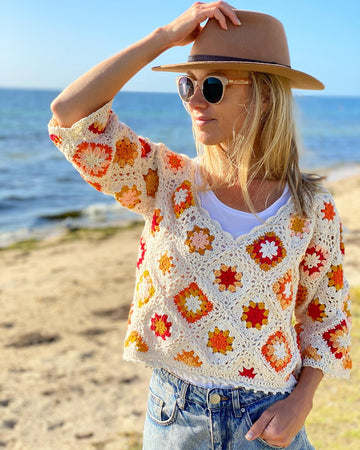 Oma Goodness Top
$9.48
Oma Goodness Top
$9.48
-
 Sawgrass Sweater
$9.00
Sawgrass Sweater
$9.00
-
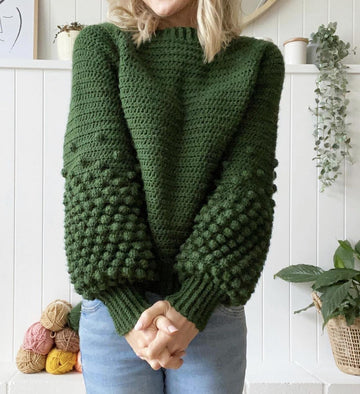 Berry-Dipped Raglan
$10.36
Berry-Dipped Raglan
$10.36
-
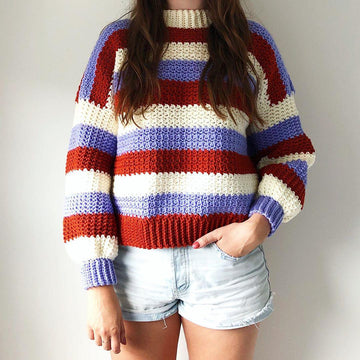 Mavety Sweater
$8.00
Mavety Sweater
$8.00
-
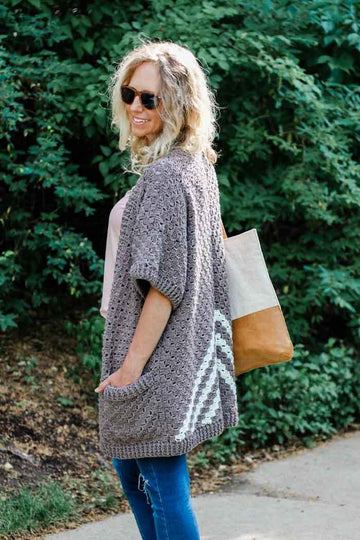 Free Range Open Front Cardigan
$7.50
Free Range Open Front Cardigan
$7.50
-
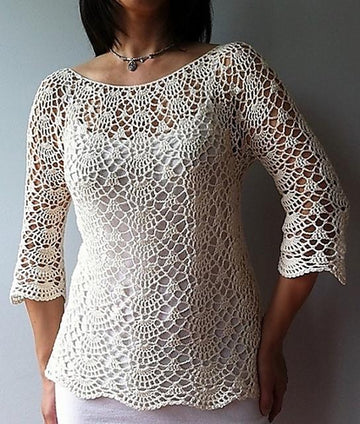 Ada - lacy shells top
$8.07
Ada - lacy shells top
$8.07
-
 The Ellery Pullover
$3.59
The Ellery Pullover
$3.59
-
 Sweaters in Sirdar Cotton DK - 7075 - Downloadable PDF
$5.75
Sweaters in Sirdar Cotton DK - 7075 - Downloadable PDF
$5.75
-
 Baby Granny Square Jacket Pattern
$2.45
Baby Granny Square Jacket Pattern
$2.45
-
 Bead Stitch Crochet Sweater
$5.00
Bead Stitch Crochet Sweater
$5.00
-
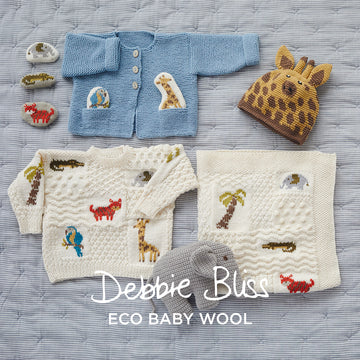 Animal Magic - Layette Knitting and Crochet Pattern for Babies in Debbie Bliss Eco Baby Wool by Debbie Bliss
$5.00
Animal Magic - Layette Knitting and Crochet Pattern for Babies in Debbie Bliss Eco Baby Wool by Debbie Bliss
$5.00
-
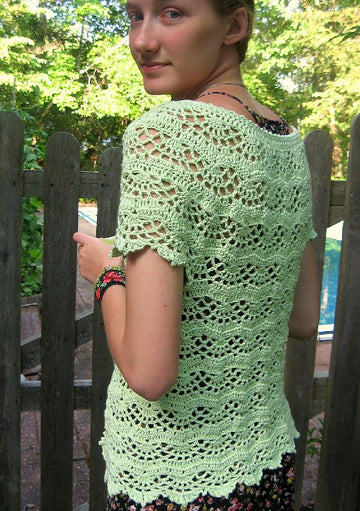 Latticework Cardigan Tutorial
$6.00
Latticework Cardigan Tutorial
$6.00
-
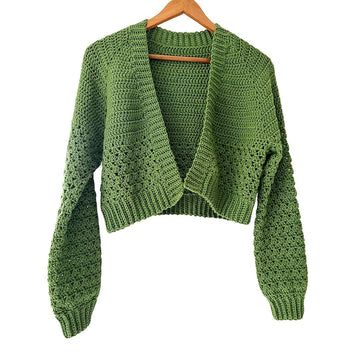 Granny Stitch Daisies Cardigan
$5.00
Granny Stitch Daisies Cardigan
$5.00
-
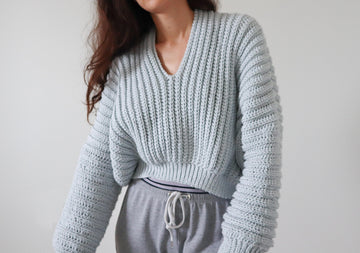 Super Slouchy Sweater
$5.50
Super Slouchy Sweater
$5.50
-
 Greyscale Poncho
$7.50
Greyscale Poncho
$7.50
-
 Juniper Jumper
$8.40
Juniper Jumper
$8.40
-
 Thea - Tunic Crochet Pattern For Women in Debbie Bliss Piper by Debbie Bliss
$5.00
Thea - Tunic Crochet Pattern For Women in Debbie Bliss Piper by Debbie Bliss
$5.00
-
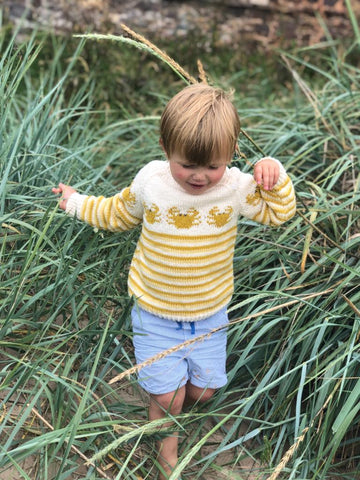 Crab Jumpers
$4.84
Crab Jumpers
$4.84
-
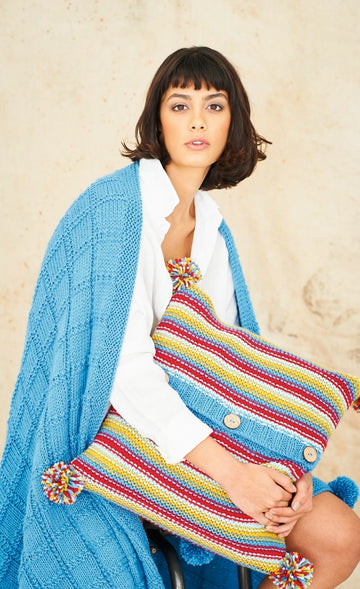 Stylecraft Specials Pattern E-Book - Downloadable PDF
$6.99
Stylecraft Specials Pattern E-Book - Downloadable PDF
$6.99
-
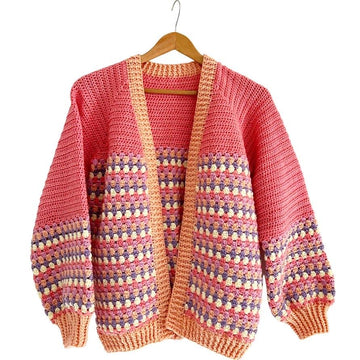 Stash Buster Granny Adults cardigan
$9.00
Stash Buster Granny Adults cardigan
$9.00
-
 Flower Puff Jumper
$6.73
Flower Puff Jumper
$6.73
-
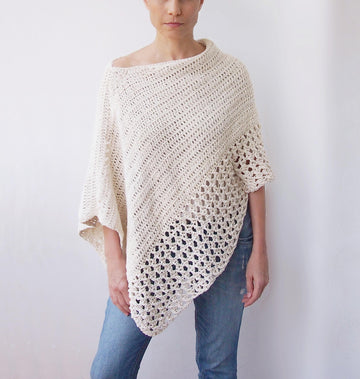 Silver drop poncho
$7.90
Silver drop poncho
$7.90
-
 Patchwork Sweater
$7.00
Patchwork Sweater
$7.00
-
 Diamonds and Bobbles Jumper
$6.14
Diamonds and Bobbles Jumper
$6.14
-
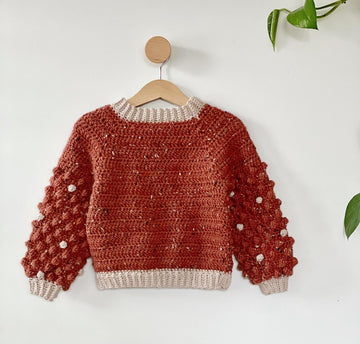 Little Poet Jumper
$7.08
Little Poet Jumper
$7.08
-
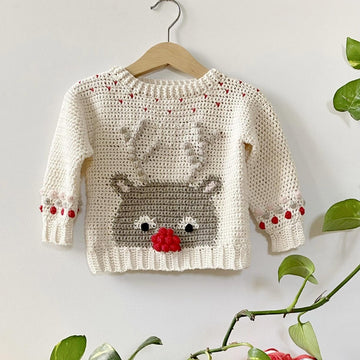 Little Rudolph Jumper
$7.44
Little Rudolph Jumper
$7.44
-
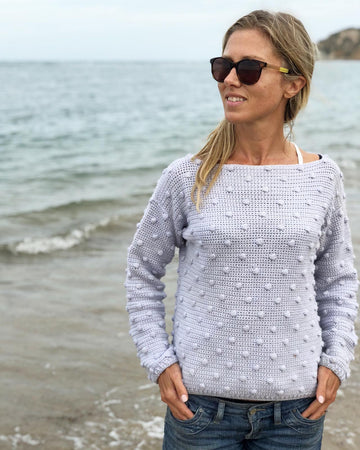 A Whole Dot of Love Jumper
$9.36
A Whole Dot of Love Jumper
$9.36
-
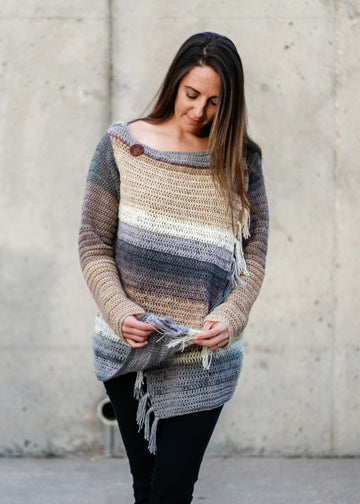 Strata Sweater
$7.50
Strata Sweater
$7.50
-
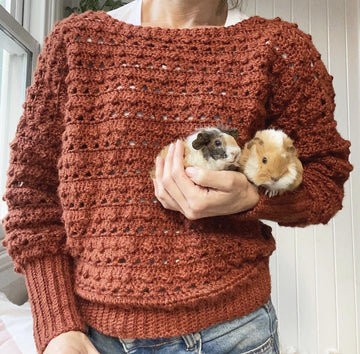 Seedlings Sweater
$9.72
Seedlings Sweater
$9.72
-
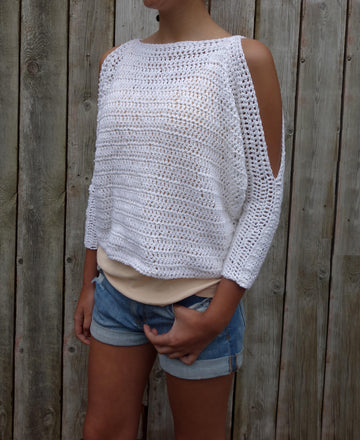 Lily of the Valley Top
$7.41
Lily of the Valley Top
$7.41
-
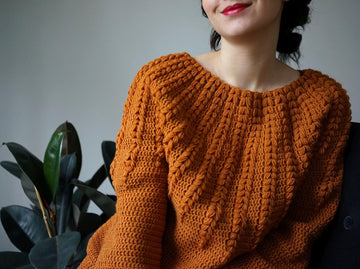 Goldenrod Sweater
$13.86
Goldenrod Sweater
$13.86
-
 Kids Granny Go Round Jumper
$8.07
Kids Granny Go Round Jumper
$8.07
-
 Lacy Crochet Sweater Top
$5.00
Lacy Crochet Sweater Top
$5.00
-
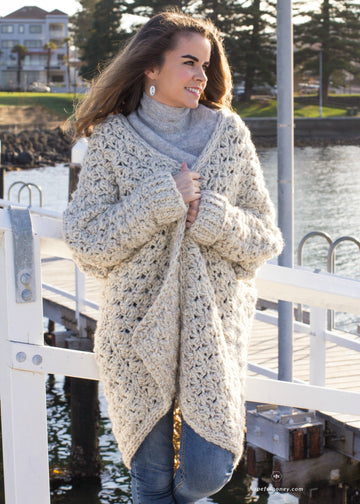 Coastal Fog Chunky Cardigan
$6.50
Coastal Fog Chunky Cardigan
$6.50
-
 Isolla Sweater
$1.38
Isolla Sweater
$1.38
-
 Floral Diamond Jumpe
$6.73
Floral Diamond Jumpe
$6.73
-
 Oversized Crochet Sweater - Rose Dust Sweater
$6.92
Oversized Crochet Sweater - Rose Dust Sweater
$6.92
-
 My First Crocheted Sweater
$7.19
My First Crocheted Sweater
$7.19
-
 Lazy Day Baby Jumper
$3.23
Lazy Day Baby Jumper
$3.23
-
 Granny Rocks jumper
$8.08
Granny Rocks jumper
$8.08
-
 Weekend Snuggle Sweater
$3.70
Weekend Snuggle Sweater
$3.70
-
 Gigi Jumper
$9.08
Gigi Jumper
$9.08
-
 Star Baby Bunting/Bag
$1.37
Star Baby Bunting/Bag
$1.37
-
 The Ripple Crew
$11.50
The Ripple Crew
$11.50
-
 Bodiless Jumper
$2.69
Bodiless Jumper
$2.69
-
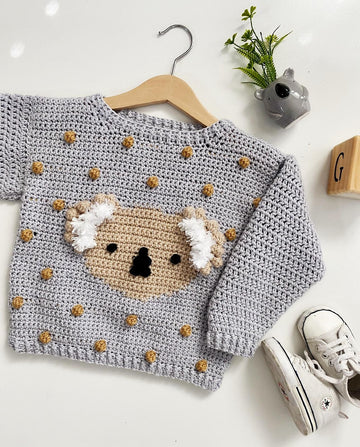 Koala Jumper
$7.26
Koala Jumper
$7.26
-
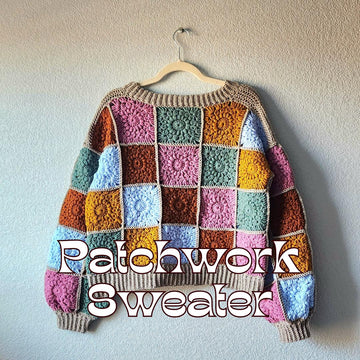 Patchwork Sweater
$8.50
Patchwork Sweater
$8.50
-
 My Favorite Crochet Pullover
$1.00
My Favorite Crochet Pullover
$1.00


