How do you choose the right green yarn for your project?
Green covers more ground than any other colour family on the shelf, from pale sage and mint through to deep forest and bottle green, with acid brights and teal-leaning shades in between. The right green yarn depends less on the colour name and more on what you're making: a cardigan wants drape and stitch definition, a blanket wants washability, and a toy wants a tight, squashable fibre. Below is a practical guide to picking shade, fibre, weight and hook or needle size so your green project works first time.
Whether you're after green yarn for crochet or sage green yarn, you'll find both solid and variegated green yarn across weights from 4ply up to super chunky here, in acrylic, cotton and wool-blend bases.
Shades of green: sage, olive, moss, emerald and forest
Sage and olive sit at the muted, greyed-down end and pair beautifully with oatmeal, rust and dusty pink for a modern, low-contrast palette. Moss and forest greens read as traditional and work well in cabled jumpers or autumnal blankets. True emerald and bright green are bolder and better suited to small accent pieces like hats or stripes rather than an entire garment, unless you want real impact. If you're searching for pale green yarn or light green yarn, look at mint and pistachio shades, which photograph softer than they appear on the ball band under warm indoor light. Stylecraft Special DK and Hayfield Bonus DK both run extensive green ranges across sage, emerald and forest, so you can match a cardigan to a blanket from the same shade family.
Fibre and weight: cotton, wool and acrylic greens
For green cotton yarn, mercerised cotton gives crisp stitch definition that suits granny squares, market bags and summer tops; Paintbox Yarns Cotton DK and Paintbox Yarns Cotton Aran both come in a wide green spread and are worth comparing if you're deciding between DK and aran weight for the same pattern. Cotton has less bounce than wool, so expect a firmer, heavier fabric with minimal stretch. For warmer, springier green garments, an acrylic-wool blend such as Paintbox Yarns Wool Mix Aran or a wool-blend like Cascade Yarns 220 Superwash gives better elasticity and recovery after blocking. For browsing the full cotton range by weight rather than colour, the cotton yarn collection and the chunky cotton yarn collection are useful starting points.
Needle and hook sizes by weight
Match your hook or needle to the ball band rather than guessing from the colour or brand name:
- 4ply green yarn: 3.25–3.75mm needles, 2.5–3.5mm hook
- DK green yarn: 4mm needles, 4mm hook, the most common weight for jumpers and blankets
- Aran green yarn: 5mm needles, 5mm hook, faster to work up with good stitch definition
- Chunky or super chunky green yarn: 6–8mm needles and hooks, ideal for quick makes and green crochet yarn projects like chunky scarves
Always work a tension square first, especially in variegated green yarn, since colour pooling can distort how gauge looks compared with a solid shade.
Working with green variegated and multi-tonal yarn
Green variegated yarn, where several shades of green (or green with teal or yellow) are spun into one skein, can pool or stripe unpredictably in stocking stitch or single crochet. Garter stitch, moss stitch and granny squares tend to disguise pooling better than plain rows, so if you're new to variegated skeins, start with a textured stitch pattern rather than stocking stitch. Buying from the same dye lot matters more with variegated yarn than solids, since the colour sequence can shift noticeably between batches.
Caring for green yarn
Dark greens, particularly forest and bottle shades, are more prone to dye transfer on first wash, so hand wash separately the first time or add a colour catcher sheet. Machine-washable wool bases can often go on a wool cycle, but check the ball band, since some green dyes are more sensitive to heat than paler colours and can dull with repeated hot washes.
Frequently asked questions
Is there free green yarn or free green crochet patterns here? Some lines, including James C. Brett Flutterby Chunky and Cascade Yarns 220 Superwash, are available as free listings in this range; for a broader pattern search, check the cotton knitting patterns collection.
What's a good green for a beginner project? A solid DK or aran in a mid-tone green, such as moss or olive, shows stitches clearly without the distraction of colour changes, making it easier to spot mistakes while you're still learning tension.
US versus UK crochet terms for green yarn patterns? A US single crochet is a UK double crochet, and a US double crochet is a UK treble; always check which system a pattern uses before you start, since working the wrong stitch height will change your finished size.


 Sirdar Loveful Recycled Acrylic
$5.75
Sirdar Loveful Recycled Acrylic
$5.75
 Paintbox Yarns Ombre Aran Wool Touch 10 Ball Value Pack
$55.50
Paintbox Yarns Ombre Aran Wool Touch 10 Ball Value Pack
$55.50
 Paintbox Yarns Ombre Aran Wool Touch 5 Ball Value Pack
$28.91
Paintbox Yarns Ombre Aran Wool Touch 5 Ball Value Pack
$28.91
 Debbie Bliss Saphia
$10.73
Debbie Bliss Saphia
$10.73
 Valley Yarns Berkshire
$7.49
Valley Yarns Berkshire
$7.49
 Rowan Pure Alpaca
$13.65
Rowan Pure Alpaca
$13.65
 Debbie Bliss Paloma 10 Ball Value Pack
$141.75
Debbie Bliss Paloma 10 Ball Value Pack
$141.75
 Sirdar Snuggly Chunky
$11.00
Sirdar Snuggly Chunky
$11.00
 Cascade Yarns 220 Superwash® Grande
$23.50
Cascade Yarns 220 Superwash® Grande
$23.50
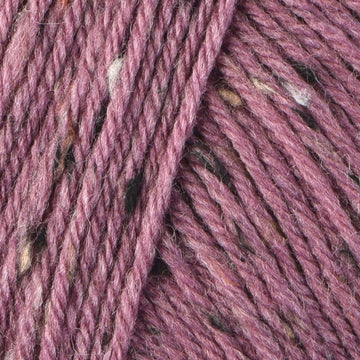 Universal Yarn Deluxe Worsted Tweed Superwash
From $12.50
Universal Yarn Deluxe Worsted Tweed Superwash
From $12.50
 Debbie Bliss Angel 10 Ball Value Pack
$141.75
Debbie Bliss Angel 10 Ball Value Pack
$141.75


