Charts, not kits — and why that matters
A cross stitch pattern is the chart alone: the gridded design, the symbol key and the thread list. You supply the fabric and threads. That sounds like extra work, and it is, but it gives you the free to choose the fabric count, and therefore the finished size. You can also choose the fabric colour, which changes a design more than any other single decision. And you can substitute threads to suit a room or a recipient. The collection spans everything from small seasonal motifs to the large fantasy and portrait charts Mirabilia is known for — The Snow Queen, Sleeping Princess, Persephone, Sun Goddess, Roses of Provence and the rest — which are serious, months-long pieces with beading and specialty stitches.
Choosing a design by experience
- Absolute beginner: a small single-motif chart with few colours and no fractional stitches, worked on 14 count aida.
- Comfortable: samplers and seasonal designs with backstitch outlining and a fuller palette.
- Confident: charts with blended threads, quarter stitches and larger colour counts.
- Ambitious: Mirabilia-style designs on 28 count evenweave over two threads, with beads, specialty stitches and hundreds of hours of stitching.
Fabric count, size and needles
The count is the number of stitches per inch. On 14 count aida a chart 140 stitches wide finishes at 10 inches; the same chart on 18 count comes out under 8 inches, and on 28 count evenweave stitched over two threads it lands back at 10 inches. Work out the finished size before you buy fabric, then add at least 7cm of margin on every side for framing. Use a blunt tapestry needle — size 24 for 14 count, 26 for finer fabrics — and a hoop or a scroll frame to keep an even tension. Good light and a magnifier make 18 count and above far less punishing.
Threads and how many strands
Most charts are written for six-strand stranded cotton, used two strands over one block of aida, or two strands over two threads of evenweave. Backstitch outlining is usually a single strand, which keeps the line crisp. Separate the strands fully and lay them back together before threading — that small habit gives noticeably smoother coverage. Keep a thread key or a bobbin card with the shade numbers written down, because half-used stranded cotton is impossible to identify later.
Working large charts without losing your place
Grid the fabric in water-soluble pen every ten squares to match the chart, and work from the centre outwards. Tick off completed sections on a printed copy or use a magnetic board. On multi-colour designs, park-and-stitch — leaving each colour hanging where it will next be needed — is faster than starting and finishing a thread for every small block. Never carry a dark thread across pale unstitched fabric; it will shadow through.
Finishing, framing and care
Wash the finished piece in cool water with a little mild detergent to remove hand oils and marker lines, roll in a towel and press face down on a soft cloth while slightly damp. Mount over acid-free board, lacing rather than gluing, so the piece can be removed intact in decades to come. Keep framed work out of direct sunlight, and avoid hanging finished pieces in kitchens and bathrooms where steam and grease will settle in the threads.
Cross stitch pattern questions
Do patterns include fabric and thread? No — charts are the design and thread list only. Kits include the materials.
What fabric count should a beginner use? 14 count aida: the holes are easy to see and the stitches form quickly.
How many strands do I use? Two for the cross stitches on 14 count, one for backstitch, unless the chart says otherwise.
Are the charts printed or downloadable? Both — designer charts such as Mirabilia arrive as printed leaflets, while many independent designs are instant PDFs.
How do I work out the finished size? Divide the stitch count by the fabric count, then add a framing margin on each side.


 Dinosaur Alphabet
$8.00
Dinosaur Alphabet
$8.00
 Guitar Landscape Moonlight - #13871
$4.95
Guitar Landscape Moonlight - #13871
$4.95
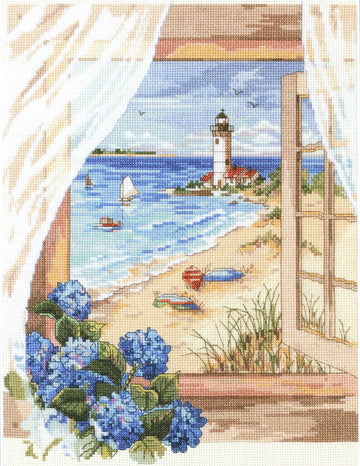 A View From the Window - PDF
$13.95
A View From the Window - PDF
$13.95
 Woodland Walk Cottage
$9.95
Woodland Walk Cottage
$9.95
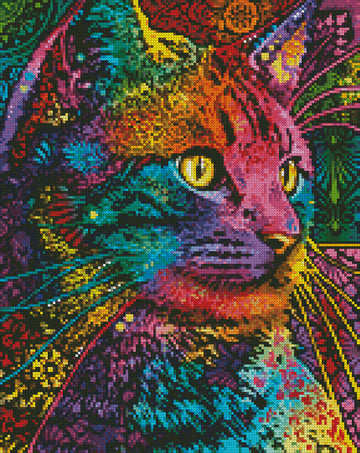 Mini Felis - #14170-ARTL
$4.95
Mini Felis - #14170-ARTL
$4.95
 Santa Gnome WIth Mug
$8.00
Santa Gnome WIth Mug
$8.00
 Woman Silhouette
$4.95
Woman Silhouette
$4.95
 Gardener's Delight Heirloom Stocking - PDF
$16.95
Gardener's Delight Heirloom Stocking - PDF
$16.95
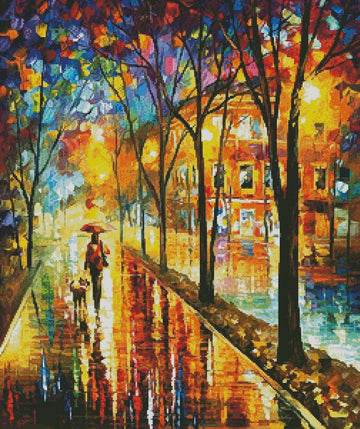 Walk with Dog - #13580-LA
$9.95
Walk with Dog - #13580-LA
$9.95
 Christmas Cards Set A Cross Stitch PDF Pattern
$4.16
Christmas Cards Set A Cross Stitch PDF Pattern
$4.16
 Turtle Silhouette
$9.95
Turtle Silhouette
$9.95
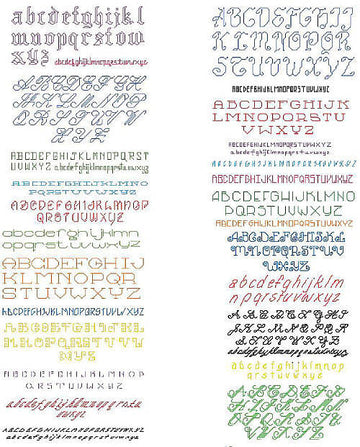 Backstitch Alphabets - PDF
$11.95
Backstitch Alphabets - PDF
$11.95
 TARDIS - PDF Cross Stitch Pattern
$4.00
TARDIS - PDF Cross Stitch Pattern
$4.00
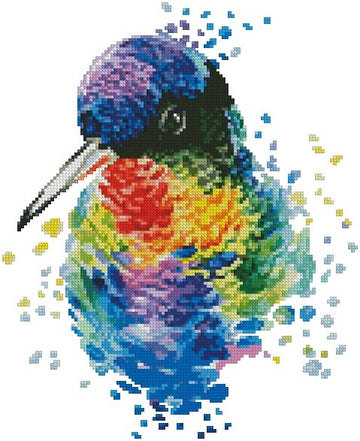 Mini Watercolour Hummingbird - #13876-LF
$4.95
Mini Watercolour Hummingbird - #13876-LF
$4.95
 Birthday Bookmarks - PDF
$16.95
Birthday Bookmarks - PDF
$16.95
 Christmas Cards Set B Cross Stitch PDF Pattern
$4.16
Christmas Cards Set B Cross Stitch PDF Pattern
$4.16


