Caron yarns and the patterns written for them
Almost every design in this collection names its yarn in the title, which takes the guesswork out of substitution. Simply Soft is the workhorse: a smooth acrylic aran that shows stitch definition cleanly and washes without complaint, used here for cowl-neck pullovers, lacy jackets, two-tone vests and pom pom scarves. Caron One Pound is the value option in a large ball, which is why the one-skein baby blanket and the Pirate Throw are built on it: fewer joins, fewer ends to weave in later. Caron Cakes self-stripe as you work, so a slouchy beanie comes out with colour changes you never had to plan. Simply Soft Paints and Brites bring painterly or high-contrast colour, and Caron United appears in block-square projects such as the Stocking Block Blanket.
Where to start
- First project: the Easy Peasy baby blanket in One Pound, worked in one stitch until it is the size you want.
- Quick win: a slouchy beanie in a single Caron Cakes ball, finished in an evening or two.
- Gift-sized: armwarmers, a market tote, or a North Star ornament.
- Bigger commitment: a cowl-neck pullover or a two-tone vest with real shaping.
- Heirloom-ish: the Tiny Snowflakes baby blanket, where a repeated motif rewards careful counting.
Working with self-striping and painted colourways
Self-striping yarns behave differently in crochet than in knitting because each row uses more yarn, so stripes are shorter and shift faster. If you want the stripes to line up on a two-piece project, start both pieces at the same point in the colour repeat and be prepared to pull off a length of yarn to get there. On a blanket worked in rounds, stripes spiral and widen outward, which looks intentional and lovely. Painted colourways can pool into unexpected diagonals; changing hook size by half a millimetre or adding a stitch to the repeat usually breaks the pooling up.
Hooks, tension and quantities
Most Simply Soft patterns sit around a 5mm hook, One Pound around 5.5-6mm, and Cakes around 5.5mm, but always work the tension square the pattern gives. Acrylic does not block into shape the way wool does, so tension has to be right off the hook rather than corrected later. Buy by metreage: a pram blanket may need 500-700m, a generous throw well over 1,500m, and a garment somewhere in between depending on size. Because Caron shades are consistent and widely stocked, running out mid-project is less painful than with hand-dyed yarn, but matching dye lots is still sensible.
Gifts, seasons and care
This collection leans usefully towards gifting: Yuletide wraps, snowflake blankets, ornaments and stockings for Christmas, yoga bags and totes for birthdays, and baby blankets all year round. Acrylic is the right fibre for gifts that will be washed by someone who has never owned a wool wash, and for anyone with a wool allergy. Machine wash warm and tumble dry low; do not press with a hot iron, because acrylic will flatten and go shiny permanently. If a finished acrylic piece needs shaping, steam it gently from a distance rather than touching the iron to the fabric.
Caron crochet questions
What weight is Caron Simply Soft? It is an aran or worsted weight yarn, generally worked on a 5mm hook in these patterns.
Can I substitute another yarn? Yes, provided you match the weight and hit the pattern's tension. Check your swatch before committing.
Are these patterns free? Many are free downloadable PDFs; the product page states the price for each one.
How many Caron Cakes for a blanket? Follow the pattern's metreage for the size you want; blankets vary enormously between pram and sofa size.
Is Caron good for baby blankets? Yes, the acrylic yarns are soft, washable and hard-wearing, which is exactly what a baby blanket needs.


 Lace Infinity Cowl in Caron Simply Soft and Simply Soft Collection - Downloadable PDF
$0.00
Lace Infinity Cowl in Caron Simply Soft and Simply Soft Collection - Downloadable PDF
$0.00
 Christmas Star Ornament in Caron Simply Soft - Downloadable PDF
$0.00
Christmas Star Ornament in Caron Simply Soft - Downloadable PDF
$0.00
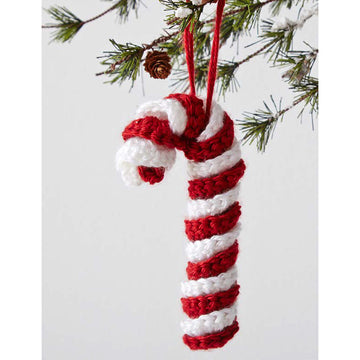 Candy Cane Ornament in Caron Simply Soft - Downloadable PDF
$0.00
Candy Cane Ornament in Caron Simply Soft - Downloadable PDF
$0.00
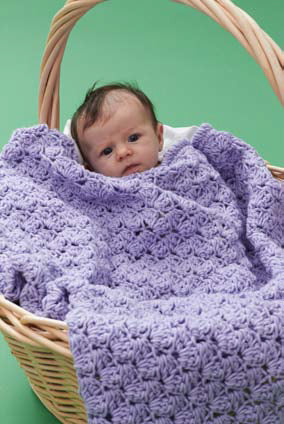 Textured Baby Blanket in Caron One Pound - Downloadable PDF
$0.00
Textured Baby Blanket in Caron One Pound - Downloadable PDF
$0.00
 Full Circle Pillow in Caron Simply Soft - Downloadable PDF
$0.00
Full Circle Pillow in Caron Simply Soft - Downloadable PDF
$0.00
 Urban Granny Throw in Caron Simply Soft - Downloadable PDF
$0.00
Urban Granny Throw in Caron Simply Soft - Downloadable PDF
$0.00
 Coffee-on-the-go Crochet Cozy in Caron Simply Soft - Downloadable PDF
$0.00
Coffee-on-the-go Crochet Cozy in Caron Simply Soft - Downloadable PDF
$0.00
 Girl's Smocked Tunic in Caron Simply Soft and Simply Soft Collection - Downloadable PDF
$0.00
Girl's Smocked Tunic in Caron Simply Soft and Simply Soft Collection - Downloadable PDF
$0.00


