Choose brown yarn by undertone, value and weight
Brown can lean warm towards rust and caramel, cool towards taupe, or deep towards espresso. This range includes Stylecraft Special, Paintbox Simply and Cotton, Yarn and Colors and Baby Cashmerino families, but the product line alone does not prove that every listed shade is brown. Confirm the exact colour and specification.
Identify warm and cool browns
Warm brown pairs naturally with cream, mustard, orange and moss; cooler taupe can sit beside grey, dusty blue or mauve. Place candidate balls together under daylight and indoor light because undertones shift with illumination.
A screen image is useful for selection but cannot guarantee exact colour. For a critical match, use current physical yarn or an available shade card.
Use value to preserve stitch detail
Dark chocolate can make small cables or lace difficult to see, especially in weak light. Tan and medium brown reveal texture more readily. Work the pattern repeat and view it from normal wearing distance.
- Photograph the palette in greyscale.
- Check motifs under the intended lighting.
- Use lighter yarn for very fine texture.
- Add contrast around important edges.
- Keep task lighting strong while working.
Compare DK, aran and chunky brown yarn
Stylecraft Special and Paintbox Simply appear in DK, aran and chunky featured versions. These weights produce different stitch scales and cannot substitute directly. Match the pattern's gauge and total metreage before choosing a shade.
DK suits finer garments and motifs, aran makes more substantial fabric, and chunky creates bold, quick-working stitches. The intended drape matters as much as speed.
Choose cotton for clear, earthy texture
Paintbox Cotton DK, Cotton Aran and Yarn and Colors Epic or Must-Have should each be checked for full composition and weight. Cotton-rich brown can suit bags, home accessories and garments where stitch clarity and a less woolly surface are wanted.
Wash and briefly hang a garment swatch to reveal vertical movement. Cotton can lack the elastic recovery of wool, especially in heavy pieces.
Use brown in animal and amigurumi projects
Brown shades are useful for bears, woodland animals, hair, hooves and outlines. Select enough value contrast between body, muzzle and features. Two adjacent browns can merge even if their colour names differ.
Use dense fabric, secure ends and choose age-appropriate finishing. Embroidered eyes and noses can avoid separate plastic pieces for young recipients.
Build natural colourwork palettes
Combine espresso, tan and cream for strong value steps, or place brown beside greens and rusts for an earthy scheme. Swatch all colours together because one yarn may be thicker or more dominant.
In stranded knitting, ensure the background and motif differ enough in value. In crochet tapestry work, check that carried colours do not show through pale stitches.
Select a baby or skin-contact yarn carefully
Debbie Bliss Baby Cashmerino and Paintbox Baby-labelled yarns must be assessed from their exact blend, weight and care. The word baby does not prove universal suitability, and collection placement does not establish brown shade.
Test feel against skin and wash the swatch using the intended routine. Include care information when gifting.
Match brown dye lots
Deep and neutral shades can show lot differences across a broad garment panel. Secure enough yarn at the start and compare labels. Alternate balls over several rows if a subtle transition is visible.
Calculate quantity from length
Add the pattern's metres or yards for the chosen size, divide by ball length and round up. Include swatching, changes in length, cables and any need to match tonal variation.
Care for dark brown projects
Follow the exact ball band and test strong shades beside pale contrast yarn. Store clean pieces away from direct sunlight, which can make colour change uneven over time.
Are all featured product lines available in brown?
Do not assume so. Confirm current shades on the exact product page; a yarn-family title does not identify the selected colour.
Which brown shows cables best?
Medium and lighter browns often reveal shadows more clearly than near-black chocolate. Test the actual cable under normal lighting.
Can I mix brown yarns from different brands?
Yes, after comparing weight, fibre, gauge, care and colourfastness. Make a joined washed swatch before beginning.
How do I choose a brown online?
Compare undertone and value across several images, read the shade description and use a physical shade card or current ball when exact matching matters.


 Elsebeth Lavold Silky Wool
From $8.46
Elsebeth Lavold Silky Wool
From $8.46
 MODE at Rowan Cotton DK
$4.80
MODE at Rowan Cotton DK
$4.80
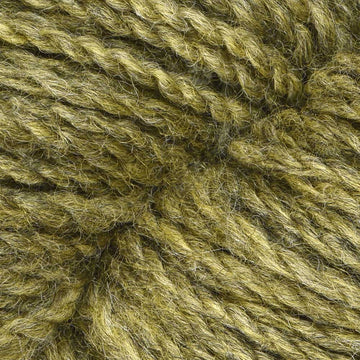 Berroco Mercado
From $11.00
Berroco Mercado
From $11.00
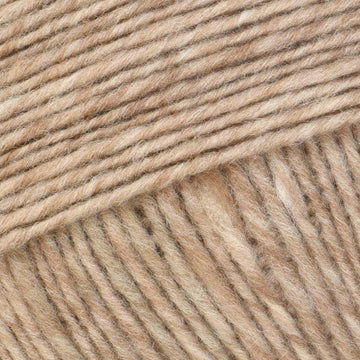 Noro Haunui
From $39.95
Noro Haunui
From $39.95
 Cascade Yarns Aegean Tweed
From $11.99
Cascade Yarns Aegean Tweed
From $11.99
 Lion Brand Feels Like Butta Thick & Quick
$7.99
Lion Brand Feels Like Butta Thick & Quick
$7.99
 Rowan Alpaca Sparkle
From $12.71
Rowan Alpaca Sparkle
From $12.71
 Cascade Yarns Pacific Bulky
$17.00
Cascade Yarns Pacific Bulky
$17.00
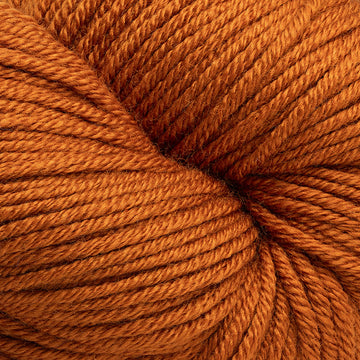 Cascade Yarns MeriSeta
$24.00
Cascade Yarns MeriSeta
$24.00


