Choose black yarn by fibre, weight and stitch visibility
Black yarn creates a strong silhouette and dramatic contrast, but products sharing the colour can behave very differently. This range includes Stylecraft Special, Paintbox Simply and Cotton, Yarn and Colors Epic and Must-Have, Debbie Bliss Baby Cashmerino and Hayfield Bonus across DK, aran and chunky families.
Match the pattern’s yarn weight first
Black DK, aran and chunky yarns are not interchangeable. Use the pattern’s required category and tension, then compare the exact product’s metreage and fibre. A heavier black strand changes the size of every stitch and can make textured fabric visually denser.
Work under strong, diffuse lighting
Dark stitches absorb light and make loops harder to distinguish. Place a pale cloth beneath the work, illuminate from more than one angle and use removable markers at row ends and repeats. Avoid glare from a single harsh lamp, which can hide structure in deep shadows.
- Count stitches at every shaping point.
- Mark the right side and row beginnings.
- Photograph the fabric with increased exposure if useful.
- Correct mistakes before moving into another dark section.
Compare cotton and acrylic black yarn
Paintbox Cotton, Epic and Must-Have can provide crisp stitch definition and another balance of drape and elasticity from Paintbox Simply, Stylecraft Special or Hayfield Bonus. Check current composition, care and gauge. Fibre determines behaviour more reliably than the shared shade.
Assess blended yarn against the skin
Baby Cashmerino belongs to a blended family with its own warmth, resilience and care. “Baby” in the range name does not guarantee suitability for every person or project. Check fibre sensitivities, finished construction and the exact label.
Use black for clear colourwork outlines
Black can frame bright motifs, define lettering and separate neighbouring colours. Make a swatch to ensure the contrast is strong enough and dark floats do not show behind pale sections. Keep stranded tension relaxed so the background does not pucker.
Let silhouette lead when texture disappears
Fine cables, lace and relief stitches may be less visible in black than in a pale solid. Choose larger, bolder texture or a simpler stitch if the shape and drape should dominate. View the swatch in the lighting where the finished garment or home textile will be used.
Choose black yarn for borders deliberately
A dark border can visually contain a multicoloured blanket, but it also reveals lint and can make an uneven edge prominent. Count border stitches evenly, test colour transfer and check that the chosen fibre shares compatible care with the centre.
Plan toy details with safe construction
Black yarn is often used for eyes, noses and outlines. Embroidered features may reduce detachable parts, but the complete toy still requires suitable materials, seams, filling and assessment. Secure dark ends so they cannot migrate behind pale areas or emerge during use.
Calculate by total metreage
Ball length varies among cotton, acrylic, blend, DK, aran and chunky products. Compare the pattern requirement with the exact yarn and selected size. Add for swatching, alterations and any need to repeat or match colourwork, rather than converting by ball weight alone.
Check dye lots and apparent depth
Two black yarns can lean blue, brown or charcoal, and subtle lot differences become visible across broad plain fabric. Buy the project quantity together where lots are supplied. Compare balls under daylight and alternate them if a minor variation needs blending.
Keep black yarn free from visible lint
Use a clean project bag and keep the active ball away from pale shedding fabrics, carpets and pet hair. Store labelled leftovers separately. Remove surface lint gently using a method appropriate to the yarn rather than aggressive tape or brushing that could disturb fibres.
Finish and photograph dark projects
Follow the label care and reshape to measured dimensions. For photographs, use a neutral mid-tone background, broad light and exposure that preserves stitch detail without turning black into grey. Avoid direct flash that creates bright highlights on synthetic or smooth yarn.
Which black yarn shows cables best?
A smooth yarn and bold cable repeat improve visibility, but weight and fibre must match the pattern. Test the complete motif under realistic light.
Can I mix black yarn brands?
Yes when shade, gauge, fibre behaviour and care are compatible. A washed swatch reveals differences that are difficult to see in the ball.
How do I see black stitches more easily?
Use diffuse lighting, a pale background, markers and frequent counts. Pause before eye strain makes errors more likely.


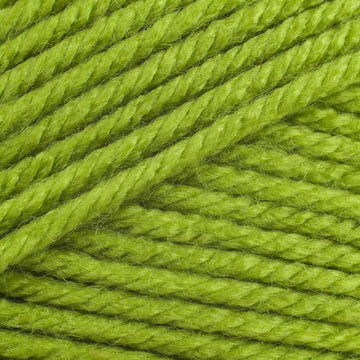 Universal Yarn Uptown Worsted
From $6.37
Universal Yarn Uptown Worsted
From $6.37
 Valley Yarns Berkshire Bulky
$7.87
Valley Yarns Berkshire Bulky
$7.87
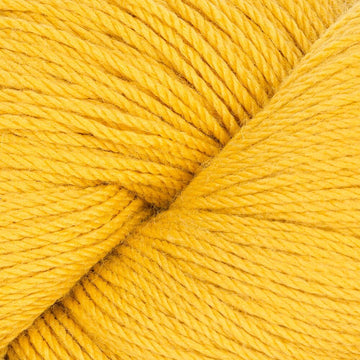 Berroco Vintage DK
$10.50
Berroco Vintage DK
$10.50
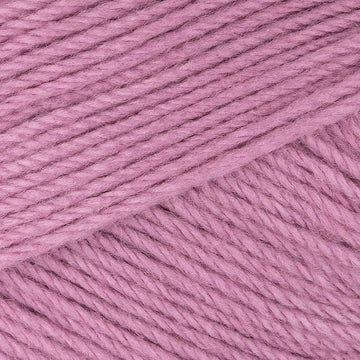 Cascade Yarns Cherub DK
$3.50
Cascade Yarns Cherub DK
$3.50
 Rowan Summerlite DK
From $9.49
Rowan Summerlite DK
From $9.49
 Rowan Kid Classic
From $14.49
Rowan Kid Classic
From $14.49
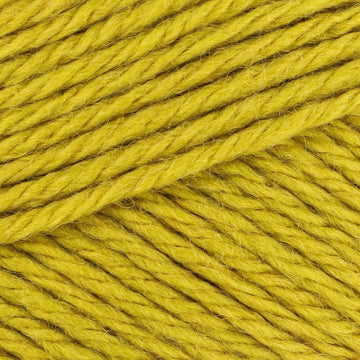 Cascade Yarns Pacific
From $0.00
Cascade Yarns Pacific
From $0.00
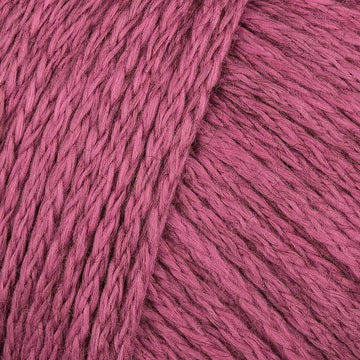 Rowan Softyak DK
From $14.49
Rowan Softyak DK
From $14.49
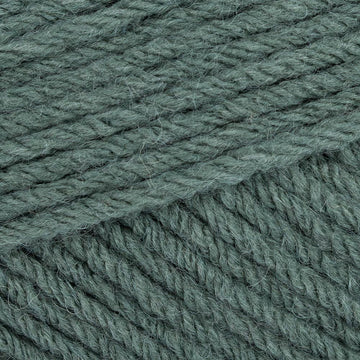 Paintbox Yarns Wool Blend Chunky
$4.39
Paintbox Yarns Wool Blend Chunky
$4.39
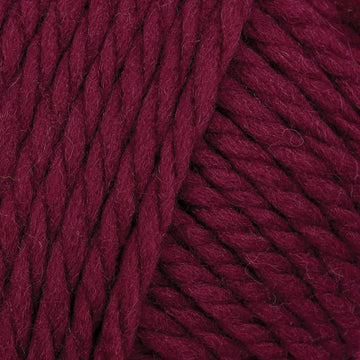 Debbie Bliss Super Chunky Merino
$13.65
Debbie Bliss Super Chunky Merino
$13.65
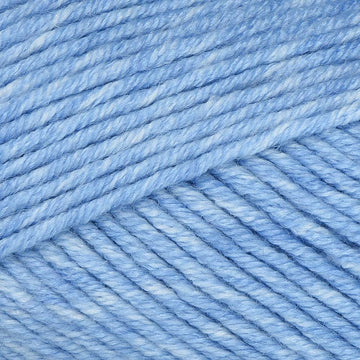 Lion Brand Jeans
$6.99
Lion Brand Jeans
$6.99
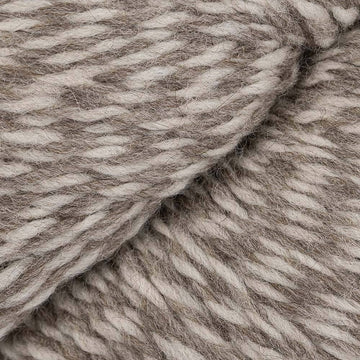 Cascade Yarns Ecological Wool
From $21.99
Cascade Yarns Ecological Wool
From $21.99
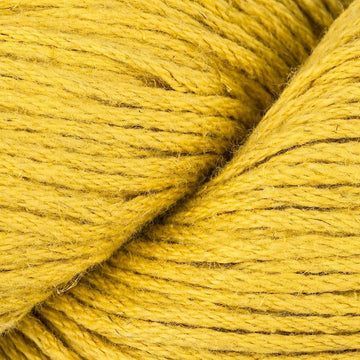 Rowan Creative Linen
From $13.19
Rowan Creative Linen
From $13.19
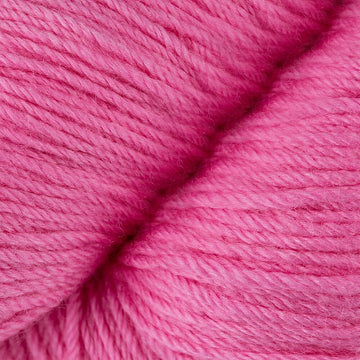 Cascade Yarns Heritage Silk
From $13.30
Cascade Yarns Heritage Silk
From $13.30
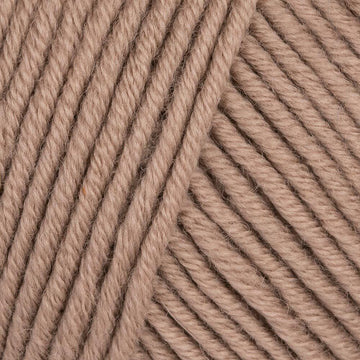 Debbie Bliss Rialto Aran
$7.15
Debbie Bliss Rialto Aran
$7.15
 Valley Yarns Hampden
$7.49
Valley Yarns Hampden
$7.49
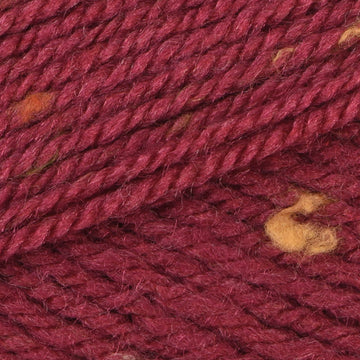 King Cole Big Value Tweed DK
$6.34
King Cole Big Value Tweed DK
$6.34


