Flax, and why linen yarn feels different
Linen comes from the stem of the flax or linseed plant rather than from an animal or a seed boll, and it is the least elastic of the common yarn fibres. That single fact explains everything about knitting with it. It absorbs and releases moisture very fast, which is why it feels cool against the skin in heat. It is strong, more so wet than dry, and it gets stronger and softer with every wash rather than wearing out. It also has a natural lustre that deepens over the years, which is why linen shirts are inherited and jersey T-shirts are not.
What it is like on the needles
Firm, and slightly unforgiving at first. Pure linen has no give, so your hands notice it on a long session and uneven tension shows more than it would in wool. Two things help enormously: use a needle a size or two larger than you would expect, and choose wooden or bamboo needles for a little grip. Do not fight the stiffness. A pure linen swatch straight off the needles feels like string; the same swatch after a machine wash and a tumble is soft, fluid and completely transformed.
Choosing a project
- Summer tops and tees: linen's drape is at its best in a simple shape with a wide neck and no fussy shaping.
- Shawls and stoles: lace opens beautifully because the fibre holds a blocked point without needing wool's memory.
- Market bags and baskets: the strength of flax means a crochet bag will carry a shop's worth of vegetables.
- Dishcloths, table linen and homeware: hard-wearing, absorbent and machine washable.
- Linen blends with cotton or viscose: softer from the start, easier on the hands, and a gentler introduction to the fibre.
Fit, ease and quantity
Because linen has no memory, a fitted garment will relax and lengthen with wear. Design around that: choose patterns with straight sides, avoid deep ribbing at a waist, and knit the body slightly shorter than the schematic. Swatch, wash the swatch, then hang it with a small weight overnight and measure again before you decide on a size. Linen is also dense, so a 50g ball carries less length than the same weight in wool. Always buy by the metres stated in the pattern, and get the full quantity in one dye lot.
Hooks, needles and stitch choice
Crochet in linen is a pleasure once the fabric is washed, and the fibre's strength suits open mesh, filet and shell stitches that would sag in a softer yarn. For knitting, avoid dense all-over cables in pure linen; the fabric ends up heavy and the cables lose definition without wool's spring behind them. Slipped stitch patterns, garter, seed stitch and simple lace all work well. If you are joining a new ball, splice or weave the ends in over a long distance, because linen is smooth and short ends will work loose.
Washing, softening and care
This is the fibre that improves in the wash. Most linen yarns can go through a cool machine cycle, and a tumble dry on low is what does the softening; check the ball band first, then wash the finished item before you judge it. Creases will drop out with steam or a spray of water. Store folded rather than hung, since a wet or heavy linen garment on a hanger will stretch across the shoulders. Over the years the fabric will get softer, not shabbier.
Linen yarn questions
Is linen yarn hard on the hands? Pure linen is firm to work with. Go up a needle size, use wooden needles, and take breaks; a linen blend is gentler.
Does it soften? Considerably. Wash and dry the finished piece before judging the handle.
Can I machine wash linen knits? Usually yes on a cool cycle, but always follow the ball band.
Is linen good for summer garments? It is one of the best. It moves moisture away from the skin and feels cool and crisp in heat.
Will a linen top stretch? It relaxes with wear, so knit a slightly shorter body and choose a shape that does not rely on elasticity.


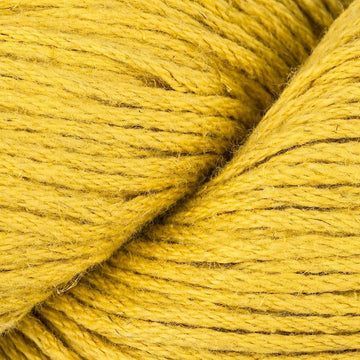 Rowan Creative Linen
From £6.20
Rowan Creative Linen
From £6.20
 Berroco Remix
From £0.00
Berroco Remix
From £0.00
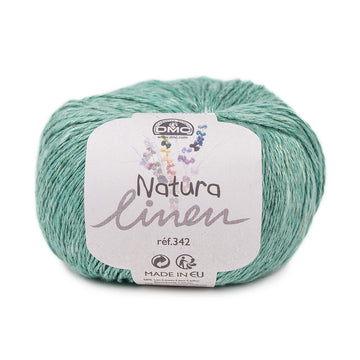 DMC Natura Linen
£5.90
DMC Natura Linen
£5.90
 Berroco Remix Light
From £0.00
Berroco Remix Light
From £0.00
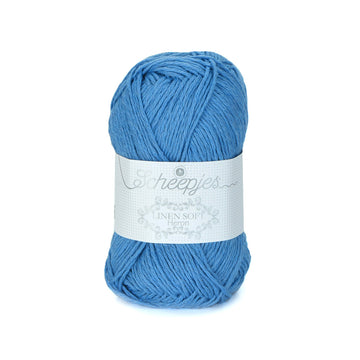 Scheepjes Linen Soft
£4.15
Scheepjes Linen Soft
£4.15
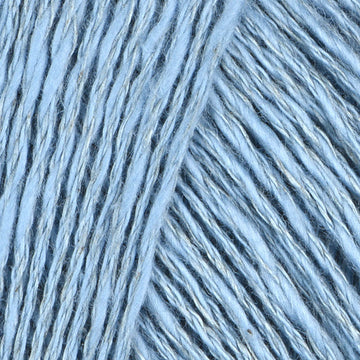 Juniper Moon Farm Zooey
From £0.00
Juniper Moon Farm Zooey
From £0.00
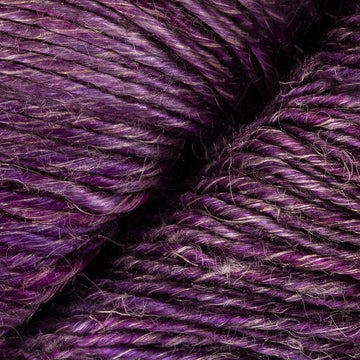 Malabrigo Susurro
£19.99
Malabrigo Susurro
£19.99
 King Cole Linendale DK
£3.39
King Cole Linendale DK
£3.39
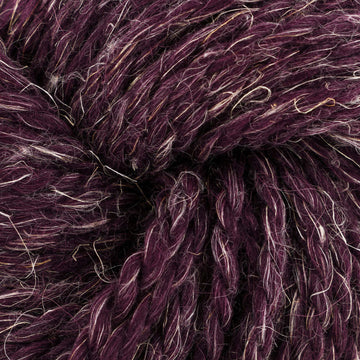 Debbie Bliss Saphia
£10.13
Debbie Bliss Saphia
£10.13
 Berroco Remix Chunky
From £0.00
Berroco Remix Chunky
From £0.00
 Valley Yarns Leverett
£4.87
Valley Yarns Leverett
£4.87
 King Cole Linendale Reflections DK
£3.99
King Cole Linendale Reflections DK
£3.99
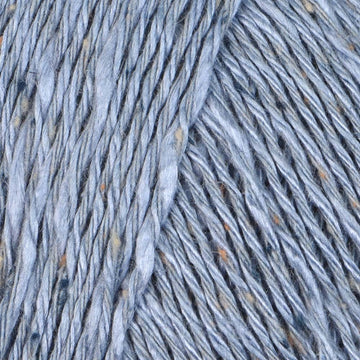 Juniper Moon Farm Summer Solstice
From £0.00
Juniper Moon Farm Summer Solstice
From £0.00
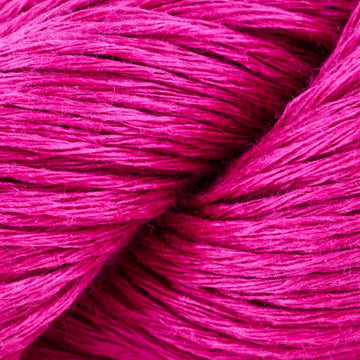 Berroco Modern Linen
£22.49
Berroco Modern Linen
£22.49
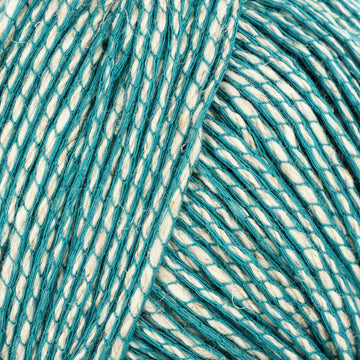 Berroco Vernazza
£8.19
Berroco Vernazza
£8.19
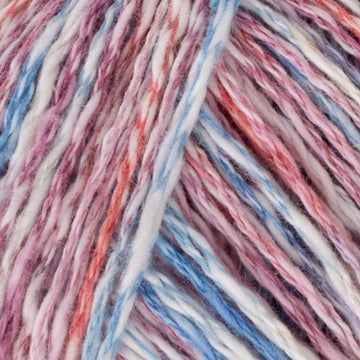 Juniper Moon Farm Zooey Spray
£17.29
Juniper Moon Farm Zooey Spray
£17.29


