British fleece, spun in Yorkshire
West Yorkshire Spinners sit in the historic centre of the British wool trade, and the range reflects it: yarns built around British-bred fleece, Bluefaced Leicester in particular, which is prized for a long, lustrous, fine staple that behaves more like a luxury fibre than a hardy one. What that means at the needle is a yarn with real spring, tight round plies and excellent stitch definition. Cables, ribbing and textured stitches stand up sharply, and the yarns wear well rather than pilling into softness after three wears.
Weights and where each earns its place
- 4 ply and sock weights - typically wool with a nylon content for durability at heel and toe, self-striping and speckled colourways included. Also excellent for shawls and fine baby knits.
- DK - the all-purpose weight for jumpers, cardigans, hats and blankets, with the clearest stitch definition in the range.
- Aran - faster garments and homeware, and the natural home of cabled Yorkshire-style knitting.
- Luxury blends - wool combined with alpaca, silk or cashmere for shawls, wraps and special-occasion garments.
- Chunky weights - quick blankets, statement hats and cowls.
Why sock knitters keep coming back
The sock yarns are the range's best-known corner, and the reason is practical rather than romantic: wool blended with nylon at 4 ply, tightly plied, survives being walked on. A loosely spun single-ply sock yarn wears through at the ball of the foot within a season; a well-plied blend does not. The self-striping and speckled colourways also solve the perennial sock problem of the second sock, since watching the next stripe arrive is a genuine motivator. Work socks at a tighter tension than the ball band suggests for garments - most sock patterns want a firm fabric, often on 2.25mm to 2.75mm needles.
Substituting and swatching
Because these yarns are springy, they can knit up slightly differently from a limp equivalent at the same nominal weight. Always swatch, wash the swatch and dry it flat before measuring - British wools bloom a little in washing, filling out the fabric and tightening tension marginally. If you are substituting West Yorkshire Spinners into a pattern written for another brand, match tension over 10cm first and total metreage second, and expect the result to have more body than a superwash merino would give.
What to make
The DK and aran weights are the ones for classic cabled jumpers, textured cardigans, hats and blankets that need to last decades rather than seasons. The 4 ply weights go into socks, shawls, colourwork accessories and baby garments. The luxury blends want simple shapes that let the fibre show - a plain stocking stitch wrap, a wide cowl, a shallow crescent shawl. Colourwork of any kind suits these yarns, because sticky, grippy British wool holds floats neatly and blocks into an even fabric.
Care, blocking and longevity
Check each ball band, since some ranges are superwash treated and machine washable at a wool setting while others are not. For untreated wool, hand wash in cool water with a wool detergent, squeeze without wringing, roll in a towel and dry flat. Blocking is where these yarns repay you: wet blocking evens out tension, opens lace and settles cables into place, and the effect is more dramatic on springy British wool than on a limp yarn. Store woollens folded in a sealed bag or with cedar, as moths favour exactly this kind of fibre. Depill with a wool comb once a season and a jumper will look new for years.
West Yorkshire Spinners questions
Where is the yarn spun? In Yorkshire, using British-bred fleece including Bluefaced Leicester.
Is it machine washable? Some ranges are superwash and machine washable on a wool cycle; others are hand wash only. Check the ball band for each yarn.
Which yarn is best for socks? A 4 ply wool and nylon blend, worked at a firm tension on small needles for durability.
Is Bluefaced Leicester soft? It is one of the softer British breeds, with a long lustrous staple, and is generally comfortable next to the skin.
Can I substitute another yarn? Yes, provided you match the tension over 10cm and the total metreage, though springier British wool gives a firmer, more defined fabric than superwash merino.


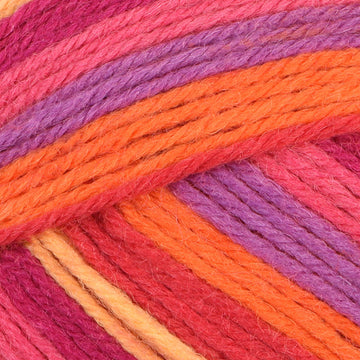 West Yorkshire Spinners ColourLab
From £3.98
West Yorkshire Spinners ColourLab
From £3.98
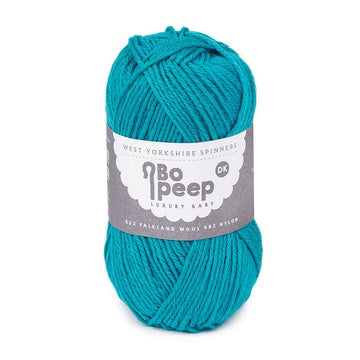 West Yorkshire Spinners Bo Peep Luxury Baby DK
From £2.48
West Yorkshire Spinners Bo Peep Luxury Baby DK
From £2.48
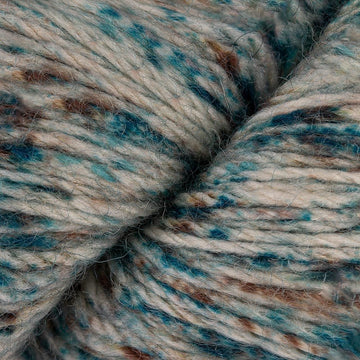 West Yorkshire Spinners The Croft
£9.79
West Yorkshire Spinners The Croft
£9.79
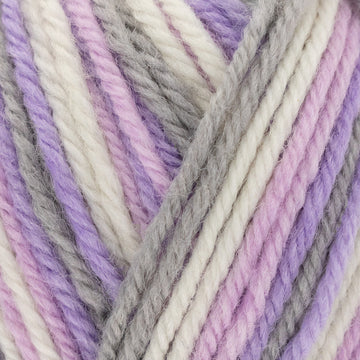 West Yorkshire Spinners Bo Peep Luxury Baby 4 ply
From £2.00
West Yorkshire Spinners Bo Peep Luxury Baby 4 ply
From £2.00
 West Yorkshire Spinners The Croft DK
£11.50
West Yorkshire Spinners The Croft DK
£11.50
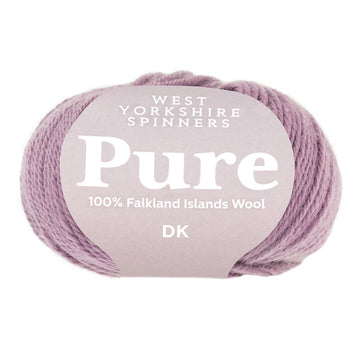 West Yorkshire Spinners Pure DK
£5.62
West Yorkshire Spinners Pure DK
£5.62
 West Yorkshire Spinners Re:Treat Super Chunky
£14.95
West Yorkshire Spinners Re:Treat Super Chunky
£14.95
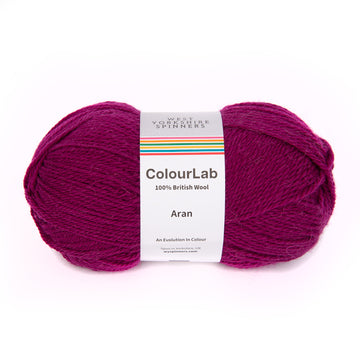 West Yorkshire Spinners ColourLab Aran
£7.95
West Yorkshire Spinners ColourLab Aran
£7.95
 West Yorkshire Spinners ColourLab Sock DK
From £7.69
West Yorkshire Spinners ColourLab Sock DK
From £7.69
 West Yorkshire Spinners - The Croft DK Tweed
£10.95
West Yorkshire Spinners - The Croft DK Tweed
£10.95
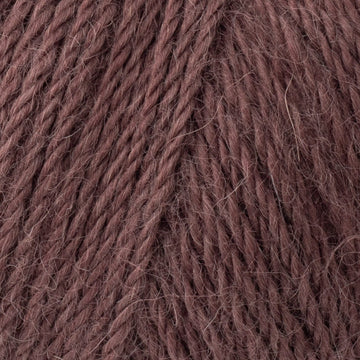 West Yorkshire Spinners Fable Aran
£13.89
West Yorkshire Spinners Fable Aran
£13.89
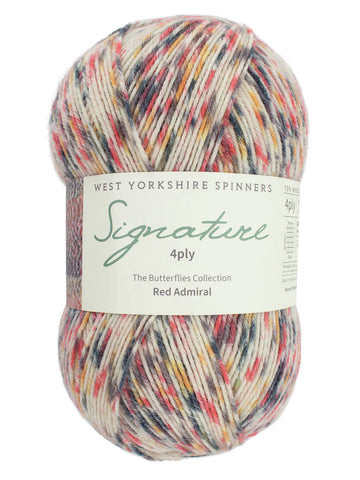 West Yorkshire Spinners Signature 4ply Butterflies
£9.95
West Yorkshire Spinners Signature 4ply Butterflies
£9.95


