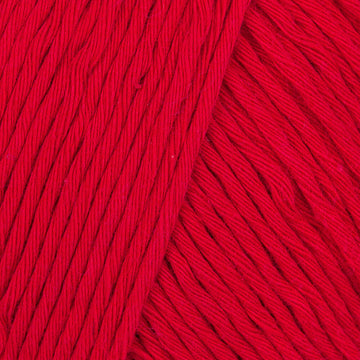
What the Deramores range is for
Deramores yarn exists to solve a very ordinary problem: most hand knitting is given to people who will not hand wash it. Baby cardigans, children's jumpers, blankets that live on a sofa and toys that get dragged round a garden all need to go into a washing machine and come out looking the same. The range is built around soft acrylic and acrylic blends with anti-pilling treatment, which addresses the other everyday complaint — that a much-worn acrylic garment goes bobbly at the cuffs and underarms within a season.
What to make with it
- Baby and children's garments: the obvious home for a soft, washable yarn, particularly cardigans and pram sets.
- Blankets and throws: large projects where cost per metre and washability both matter.
- Amigurumi and toys: good stitch definition and no felting, so a stuffed toy keeps its shape through washing.
- Accessories: hats, scarves and mitts that will be worn hard and lost regularly.
- Charity and gift knitting: where the recipient needs no special care instructions.
Anti-pilling, and what it does and does not do
Anti-pilling treatment reduces the tendency of short fibres to work their way to the surface and tangle into bobbles. It genuinely helps at the points that rub — underarms, cuffs, the seat of a blanket that gets sat on. It does not make a yarn indestructible. If bobbles do appear, comb them off with a fabric shaver rather than picking them, which pulls the surrounding stitches and makes the next round of pilling worse.
Knitting and crocheting acrylic well
Acrylic has spring but very little memory, so plan around that. Ribbing will not grip as firmly as it would in wool, which is worth remembering on a baby hat: work it on a smaller needle or add a round of firmer stitches. Long, heavy garments can lengthen with wear, so knit body lengths slightly shorter than you might in wool. On the plus side, stitch definition is crisp, so cables, moss stitch, and textured panels show up beautifully, and colours stay bright through repeated washing. Weave your ends in over a longer distance than you would with wool; acrylic is slippery and short ends escape.
Substituting Deramores yarn into a pattern
Match the weight first, then the tension. A DK acrylic will substitute into most DK patterns, but always swatch: acrylics often knit up slightly differently from a wool of the same nominal weight, and a half-stitch difference across a baby cardigan front is enough to matter. Where a pattern gives quantities in balls of a different yarn, convert to metres and buy on that basis. If the original pattern relies on wet blocking to open lace, be aware that acrylic will not block in the same way — only gentle steam, held above the fabric, will relax it, and too much heat flattens it permanently.
Washing and finishing
Check the ball band, but most of the range is machine washable on a cool, gentle cycle. Dry flat rather than tumble drying, which flattens texture, and reshape while damp. For toys, wash inside a pillowcase so limbs are not pulled about in the drum, and dry flat so the stuffing does not migrate. Store finished garments folded; acrylic on a hanger will grow at the shoulders.
Deramores yarn questions
What is Deramores yarn made from? The range centres on soft acrylic and acrylic blends with anti-pilling treatment, designed for everyday machine washable projects.
Is it suitable for babies? It is a common choice for baby garments precisely because it is soft and washes easily, but always check the ball band on the specific yarn you buy.
Can I substitute it into another pattern? Yes, if you match the weight and swatch to match the pattern's stated tension. Buy on metreage rather than ball count.
Does it pill? The anti-pilling treatment reduces it considerably at friction points, and a fabric shaver deals with any bobbles that do appear.
Which patterns work best with it? Anything that needs washing often — browse Deramores knitting patterns and Deramores crochet patterns.