Knitted tops for every season
A "top" covers a lot of ground, and that's rather the point of this collection. Sleeveless tanks and camisoles for July, short-sleeved tees for the awkward months, polo necks and cropped boxy sweaters for autumn, textured and cabled winter tops, and hoodies for the sofa. Free PDF patterns run right through the range, so you can find an easy knit tank top pattern for ladies and cast on the same afternoon, or take on something more involved with charted lace and set-in sleeves.
Matching yarn to the season
- Summer: cotton, linen, bamboo and silk blends in 4 ply or DK, worked on 3–4mm needles for a cool, breathable fabric with good stitch definition.
- Transitional: DK merino or a wool-cotton blend — light enough for indoors, warm enough for a spring evening.
- Winter: aran and chunky wool on 5–6mm needles for cables, bobbles and quick results.
- Special: mohair or kid-silk held alongside a 4 ply for a halo that weighs almost nothing.
A cropped 4 ply tank might need only 500–700m; a DK tee 800–1,000m; a chunky cropped jumper rather less than you'd expect. Cotton and linen behave differently from wool: they have no memory, so they stretch and don't spring back. Knit them a touch firmer than feels natural, and expect them to soften and lengthen after the first wash.
Ease, and why tank tops are unforgiving
A close-fitting top shows every centimetre of miscalculation. Work out the finished bust measurement you want before you look at the size chart. Zero to 5cm of positive ease gives a neat, close fit that skims the body. 8–15cm gives the relaxed boxy look, with dropped shoulders and plenty of room. Ribbed tanks are often written with negative ease of 5cm or so, relying on the rib to stretch — check the pattern notes, because knitting one of those in your "usual" size produces a top you could camp in. Armhole depth and shoulder width are the other two measurements to compare against a top you already own.
Construction options
Flat and seamed — back and front knitted separately on straight needles, joined at the shoulders and sides — is the traditional route and gives structure to the shoulders. Seamless top-down knitting on circulars lets you try the top on repeatedly and stop the body exactly where you want it, which is a real advantage for cropped shapes. Bottom-up in the round to the underarms, then splitting for front and back, is a good middle ground: mindless stocking stitch for the body, shaping only at the top.
Techniques and finishing
Expect ribbed or rolled hems, picking up stitches evenly around armholes and necklines, paired decreases for v-necks and armhole shaping, short rows for a raised back neck, and tubular or stretchy cast-offs so the neckline goes over your head. Slipping the first stitch of every row gives a neat selvedge for seaming. On a summer top especially, a tidy armhole edging makes the difference between homemade and handmade — a few rounds of single rib or a folded hem beats a raw edge every time.
Blocking, washing and wearing
Block before you judge anything. Stocking stitch evens out, lace opens up, and edges stop curling. Wet block cotton and linen and dry flat; steam block wool lightly. Wash cotton tops in the machine on a cool gentle cycle if the ball band allows, always dry flat, and reshape while damp. Store folded — a knitted tank hung on a hanger will grow shoulders like a coat hanger within a month.
Questions about knitted tops
What's the easiest knitted top for a beginner? A simple tank worked flat in two rectangles with straight armhole shaping and rib bands, seamed at the end.
Are there free tank top knitting patterns as PDFs? Yes, free designs are included throughout and download instantly.
Which yarn for a summer top? Cotton, linen or a blend in 4 ply or DK — cool, crisp and hard-wearing.
Where else should I look? Browse vest knitting patterns, jumper knitting patterns or all our knitting patterns.


 Isadora Top
€8,19
Isadora Top
€8,19
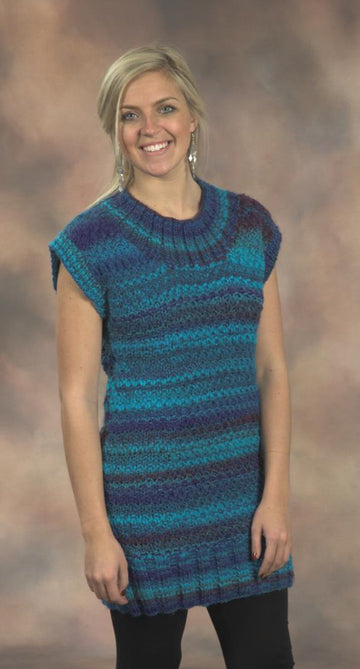 Tunic Length Pullover in Plymouth Yarn Bazinga - 2107 - Downloadable PDF
€0,00
Tunic Length Pullover in Plymouth Yarn Bazinga - 2107 - Downloadable PDF
€0,00
 Patchwork Vest
€5,83
Patchwork Vest
€5,83
 Jara
€9,00
Jara
€9,00
 Damenshirt mit Beanie in Schachenmayr Cotton Bamboo Batik - S8415 - Downloadable PDF
€0,00
Damenshirt mit Beanie in Schachenmayr Cotton Bamboo Batik - S8415 - Downloadable PDF
€0,00
 Natura Top
€6,60
Natura Top
€6,60
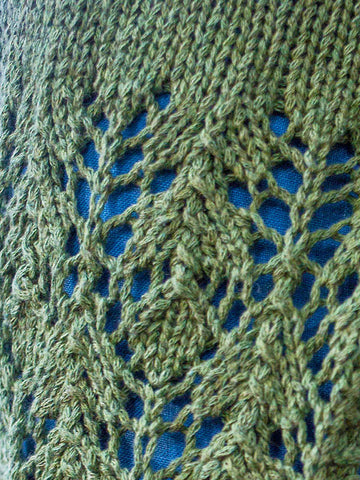 Desert Bloom Tunic in Berroco Maya Aran
€0,00
Desert Bloom Tunic in Berroco Maya Aran
€0,00
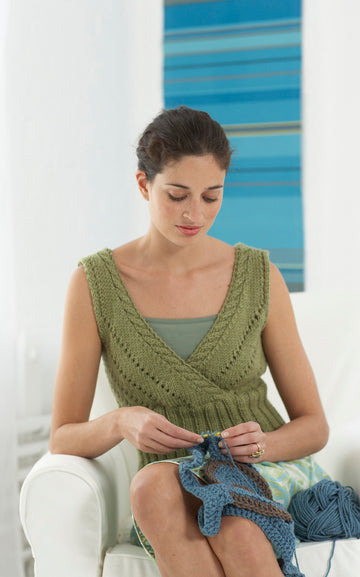 Tranquil Green Tank Top in Lion Brand Vanna's Choice - 80322AD
€0,00
Tranquil Green Tank Top in Lion Brand Vanna's Choice - 80322AD
€0,00
 Sargassum
€5,20
Sargassum
€5,20
 Nautica Top
€9,37
Nautica Top
€9,37
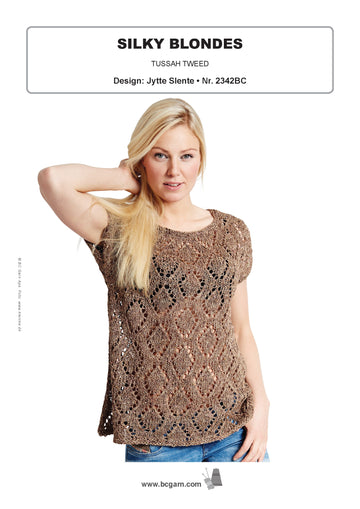 Silky Blondes Top in BC Garn Tussah Tweed - 2342BC - Downloadable PDF
€0,00
Silky Blondes Top in BC Garn Tussah Tweed - 2342BC - Downloadable PDF
€0,00
 Ontario Skies
€2,90
Ontario Skies
€2,90
 Zephyrette Top
€9,37
Zephyrette Top
€9,37
 Strawberry Blossoms
€0,00
Strawberry Blossoms
€0,00
 Humping Moose Bralette
€7,57
Humping Moose Bralette
€7,57
 Sunshine Tank Top
€4,34
Sunshine Tank Top
€4,34


