How ribbon yarn behaves
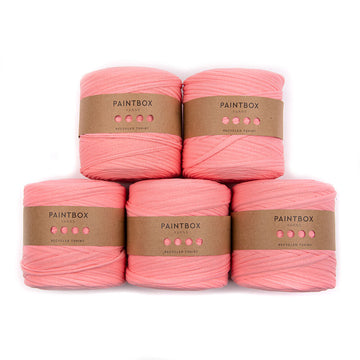
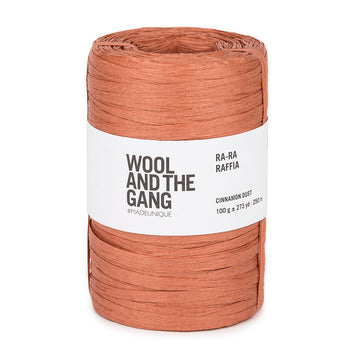
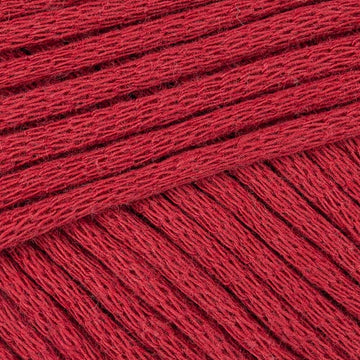
Ribbon yarn is not spun into a round strand. It is a flat tape, sometimes knitted into a fine tube, sometimes woven, and that shape changes everything about the fabric it makes. The tape twists as it comes off the ball, so each stitch catches the light differently and the surface ends up with a slight ripple rather than a flat sheen. It has almost no elasticity, which means ribbing will not spring back, and it is heavy for its length, so a large garment can end up dragging on the shoulders. Used where those traits are strengths – bags, belts, cropped summer tops, tank tops, cushion fronts, trim on a plainer knit – it looks expensive and works up in an evening or two.
What to make with it
- Bags and totes: the classic use. The tape gives structure and does not stretch out of shape when the bag is full.
- Belts and straps: worked in a firm single crochet, they hold their width without lining.
- Summer tank tops and camisoles: loose, drapey shapes, worked flat or in the round with minimal shaping.
- Home accents: cushion covers, placemats, a runner for the table, where the shine reads as texture.
- Edgings: a ribbon border on a plain cotton top lifts the whole thing.
Needles, hooks and tension
Go up a size or two from what the weight suggests. Ribbon yarn worked tightly looks cramped and the tape cannot lie flat; worked loosely it opens out and the fabric drapes. Blunt-tipped needles and hooks are your friend here, because sharp points split the tape and leave a fuzzy snag you cannot fix. Try to keep the tape untwisted as you work; if you find yourself fighting a spiral, let the ball hang and spin freely for a moment to release it. Swatch honestly, because a heavy tape yarn tells the truth about drape only after it has hung under its own weight for a day.
Quantities and cost
Ribbon yarns are usually short on metres for their weight, so a project that would take four balls of DK can take considerably more in tape. Work from the metres on the ball band and the metreage in your pattern, buy one dye lot, and buy the spare ball at the start rather than hoping to find it later – novelty and fashion yarns are the first to be discontinued. If the total makes you wince, use ribbon for the yoke, the border or the bag panel and a plain cotton for the rest.
Finishing and care
Weave ends in along the tape rather than across it, and use a large blunt needle so you do not shred the yarn. Seams are best sewn with a matching fine cotton rather than the ribbon itself, which is bulky in a seam allowance. Most ribbon yarns are viscose or cotton blends: hand wash cool, do not wring, and dry flat, because the weight of the water in a hanging piece will stretch it permanently. Line a bag with fabric if it will carry anything heavier than a paperback.
Ribbon yarn questions
Is ribbon yarn better knitted or crocheted?
Both work. Crochet produces a firmer, more structured fabric, which suits bags; knitting gives more drape, which suits tops.
Why does my ribbon yarn twist?
The tape spirals as it unwinds. Let the ball dangle to unwind the twist, or turn the work over every so often to release it.
Can beginners use ribbon yarn?
Yes, on a simple project. The stitches are large and easy to see, though dropped stitches are harder to pick back up than in a round yarn.
What weight is ribbon yarn?
Most are aran to chunky. Check each ball band, as tape yarns vary widely in metres per 50g.
Anything similar?
Try chenille yarn for softness, or super chunky yarn for speed.