

Pink Yarn
Pink yarn in every shade from palest blush and dusty rose to hot fuchsia and neon, across 4 ply, DK, aran and chunky weights in cotton, wool, acrylic and blends. Many yarns here come in several pinks, so you can build a gradient from one range. Browse red yarn, purple yarn or the whole baby yarn selection.
read more
-
 MillaMia Naturally Soft Aran
€3,14
MillaMia Naturally Soft Aran
€3,14
-
 Stylecraft Life DK
€5,25
Stylecraft Life DK
€5,25
-
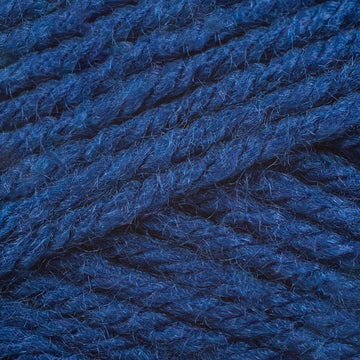 Lion Brand Vanna's Choice
€7,99
Lion Brand Vanna's Choice
€7,99
-
 Sirdar Happy Cotton
€2,09
Sirdar Happy Cotton
€2,09
-
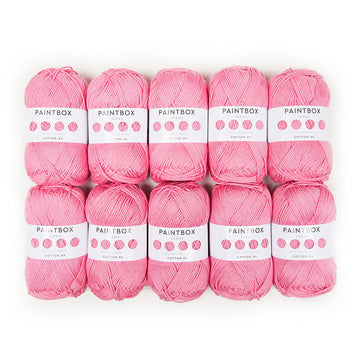 Paintbox Yarns Cotton DK 10 Ball Value Pack
From €13,74
Paintbox Yarns Cotton DK 10 Ball Value Pack
From €13,74
-
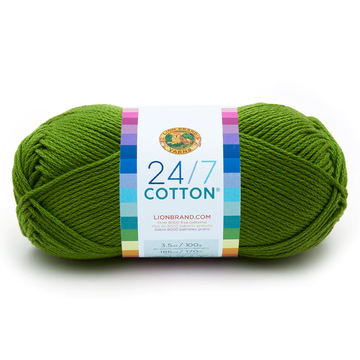 Lion Brand 24/7 Cotton
From €6,75
Lion Brand 24/7 Cotton
From €6,75
-
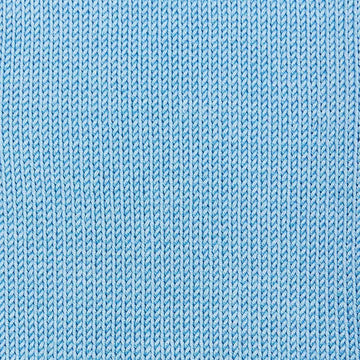 Rico Essentials Cotton DK
€4,23
Rico Essentials Cotton DK
€4,23
-
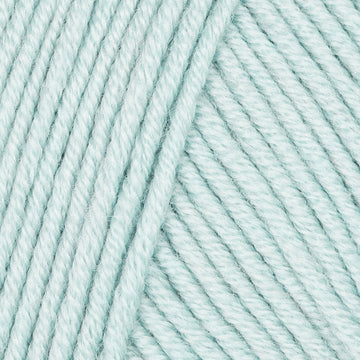 Schachenmayr Merino Extrafine 120
€5,20
Schachenmayr Merino Extrafine 120
€5,20
-
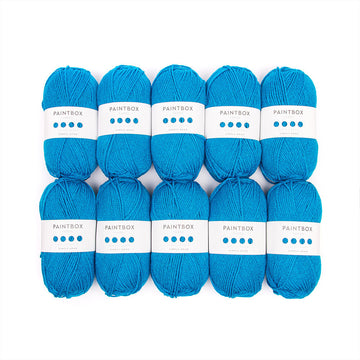 Paintbox Yarns Simply Aran 10 Ball Value Pack
From €17,94
Paintbox Yarns Simply Aran 10 Ball Value Pack
From €17,94
-
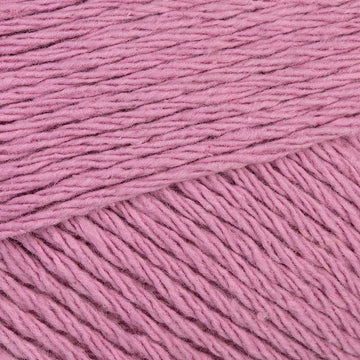 Paintbox Yarns Recycled Cotton Worsted
€1,75
Paintbox Yarns Recycled Cotton Worsted
€1,75
-
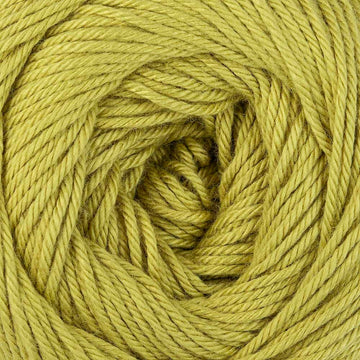 Stylecraft Naturals Bamboo & Cotton DK
€6,69
Stylecraft Naturals Bamboo & Cotton DK
€6,69
-
 Malabrigo Worsted
€14,99
Malabrigo Worsted
€14,99
-
 Hoooked Ribbon XL Solids
€6,56
Hoooked Ribbon XL Solids
€6,56
-
 Rowan Kidsilk Haze
From €0,00
Rowan Kidsilk Haze
From €0,00
-
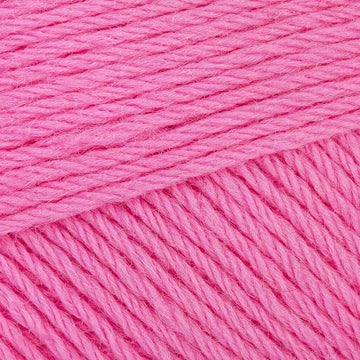 Paintbox Yarns 100% Wool Worsted Superwash
€4,87
Paintbox Yarns 100% Wool Worsted Superwash
€4,87
-
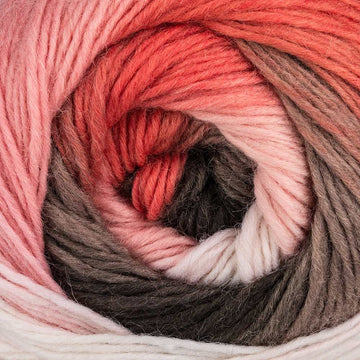 Viking Garn Nordlys
From €0,00
Viking Garn Nordlys
From €0,00
-
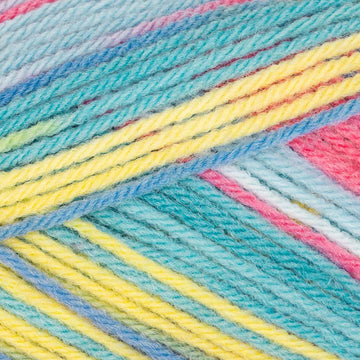 Paintbox Yarns Baby DK Prints
€1,94
Paintbox Yarns Baby DK Prints
€1,94
-
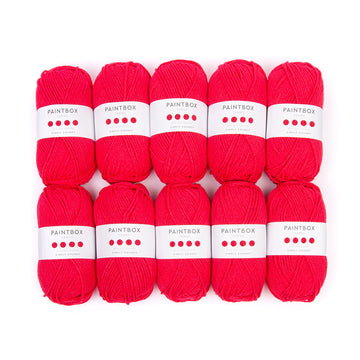 Paintbox Yarns Simply Chunky 10 Ball Value Pack
From €13,74
Paintbox Yarns Simply Chunky 10 Ball Value Pack
From €13,74
-
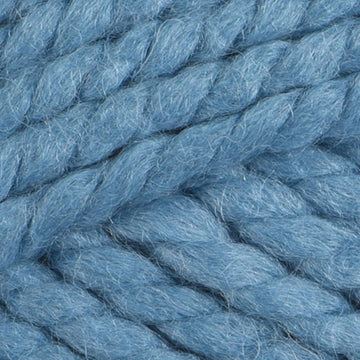 Lion Brand Wool Ease Thick & Quick
€11,99
Lion Brand Wool Ease Thick & Quick
€11,99
-
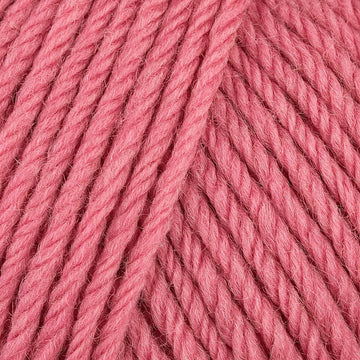 Willow & Lark Ramble
€4,29
Willow & Lark Ramble
€4,29
-
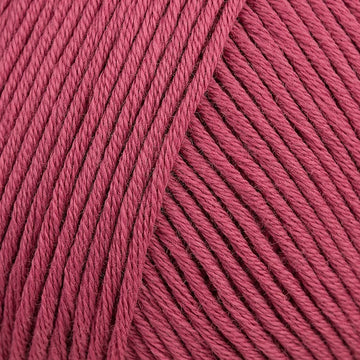 DMC Natura Just Cotton
€5,39
DMC Natura Just Cotton
€5,39
-
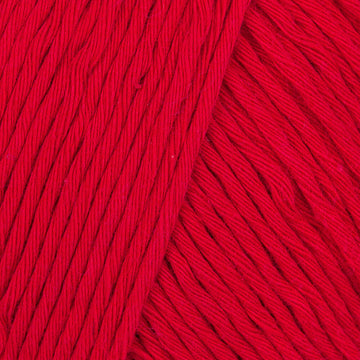 Deramores Studio Organic Cotton DK
€2,44
Deramores Studio Organic Cotton DK
€2,44
-
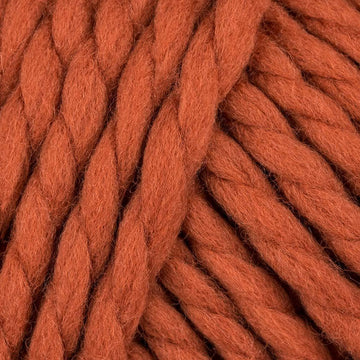 MillaMia Naturally Soft Super Chunky
€5,59
MillaMia Naturally Soft Super Chunky
€5,59
-
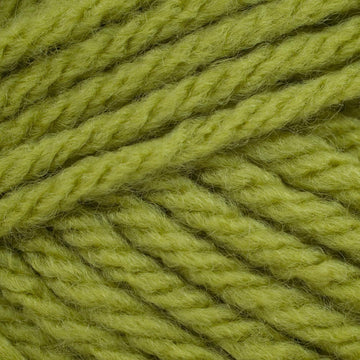 Hayfield Bonus Chunky
€3,82
Hayfield Bonus Chunky
€3,82
-
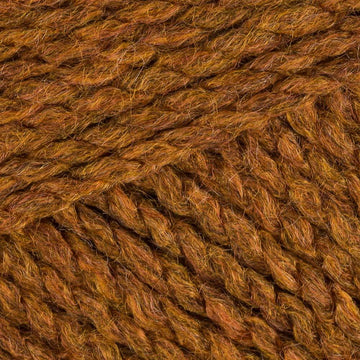 King Cole Big Value Chunky
€4,25
King Cole Big Value Chunky
€4,25
-
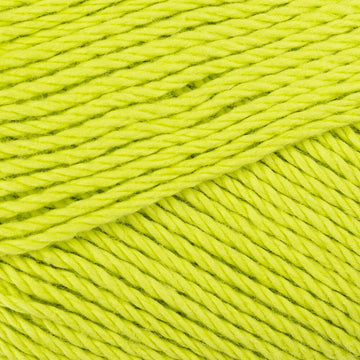 King Cole Cottonsoft DK
€6,99
King Cole Cottonsoft DK
€6,99
-
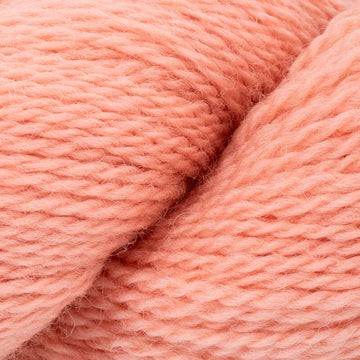 Cascade Yarns 220 Fingering
From €0,00
Cascade Yarns 220 Fingering
From €0,00
-
 Deramores Studio Aran Acrylic
€3,25
Deramores Studio Aran Acrylic
€3,25
-
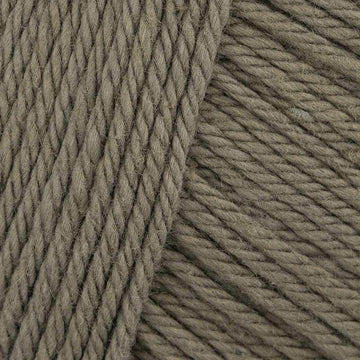 Debbie Bliss Cotton DK
€2,99
Debbie Bliss Cotton DK
€2,99
-
 Cascade Yarns Ultra Pima
From €0,00
Cascade Yarns Ultra Pima
From €0,00
-
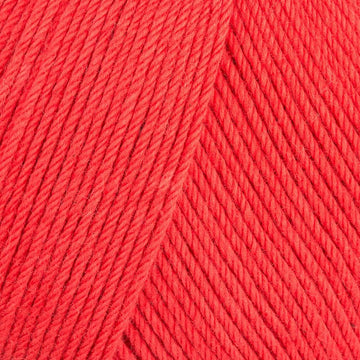 MillaMia Naturally Soft Cotton
€2,99
MillaMia Naturally Soft Cotton
€2,99
-
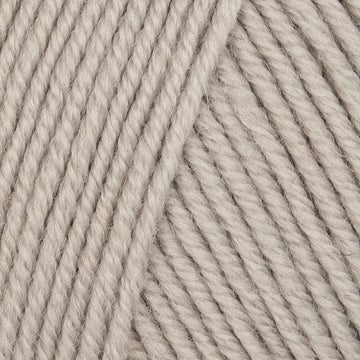 Debbie Bliss Rialto 4 Ply
€4,05
Debbie Bliss Rialto 4 Ply
€4,05
-
 Paintbox Yarns Simply DK 10 Ball Value Pack
From €13,74
Paintbox Yarns Simply DK 10 Ball Value Pack
From €13,74
-
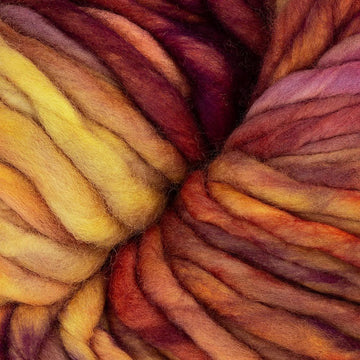 Malabrigo Rasta
€29,99
Malabrigo Rasta
€29,99
-
 Lion Brand Wool Ease
€6,49
Lion Brand Wool Ease
€6,49
-
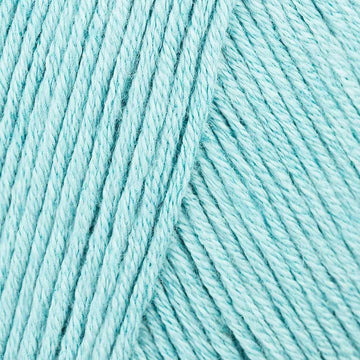 Sirdar Snuggly Baby Bamboo DK
€7,79
Sirdar Snuggly Baby Bamboo DK
€7,79
-
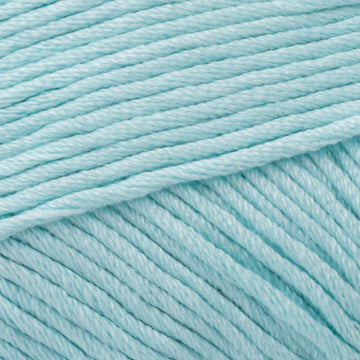 King Cole Bamboo Cotton DK
€7,19
King Cole Bamboo Cotton DK
€7,19
-
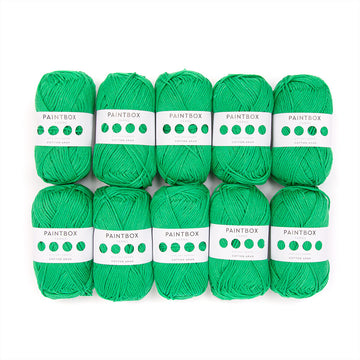 Paintbox Yarns Cotton Aran 10 Ball Value Packs
From €13,74
Paintbox Yarns Cotton Aran 10 Ball Value Packs
From €13,74
-
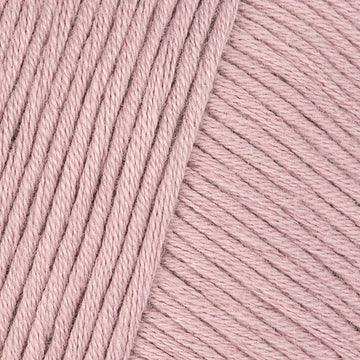 Debbie Bliss Eco Baby
€2,09
Debbie Bliss Eco Baby
€2,09
-
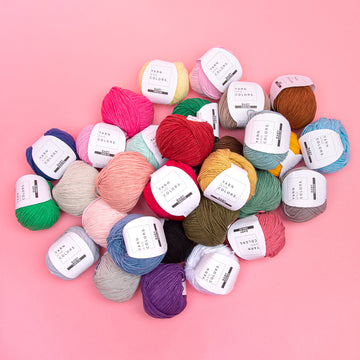 Yarn and Colors Baby Fabulous
€2,80
Yarn and Colors Baby Fabulous
€2,80


