

Multi-Coloured Yarn
Multi coloured yarn and variegated wool in every weight, from self-striping 4 ply for socks to variegated DK and chunky for blankets and shawls. Let the yarn do the colourwork while you knit plain stocking stitch. Turn it into socks knitting patterns or a blanket, and see the Red Heart variegated yarn range for larger projects.
read more
-
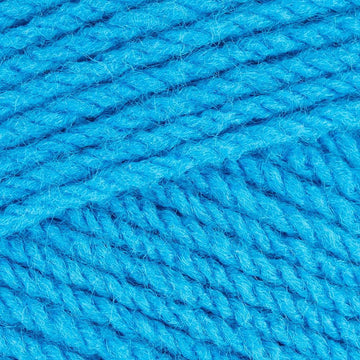 Hayfield Bonus DK
€4,19
Hayfield Bonus DK
€4,19
-
 Scheepjes Catona 25 gram
From €0,00
Scheepjes Catona 25 gram
From €0,00
-
 James C. Brett Flutterby Chunky
From €0,00
James C. Brett Flutterby Chunky
From €0,00
-
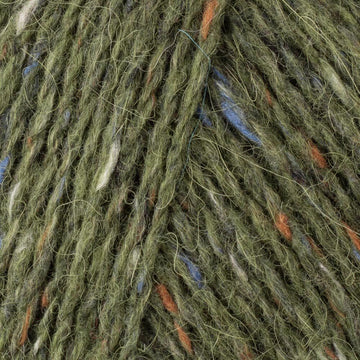 Rowan Felted Tweed DK
From €6,30
Rowan Felted Tweed DK
From €6,30
-
 Cascade Yarns 220 Superwash
From €0,00
Cascade Yarns 220 Superwash
From €0,00
-
 King Cole Pricewise DK
€3,49
King Cole Pricewise DK
€3,49
-
 Sirdar Snuggly DK
From €0,00
Sirdar Snuggly DK
From €0,00
-
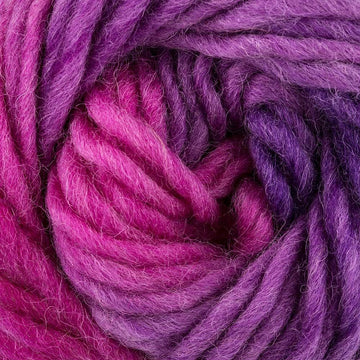 Viking Garn Snorre Naturgarn.
From €0,00
Viking Garn Snorre Naturgarn.
From €0,00
-
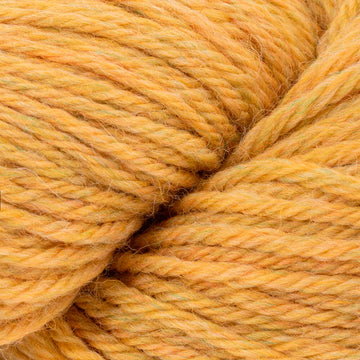 Cascade Yarns 220
From €10,95
Cascade Yarns 220
From €10,95
-
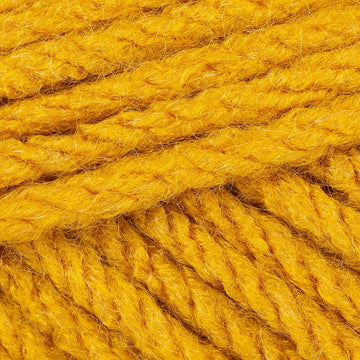 King Cole Big Value Super Chunky
€3,75
King Cole Big Value Super Chunky
€3,75
-
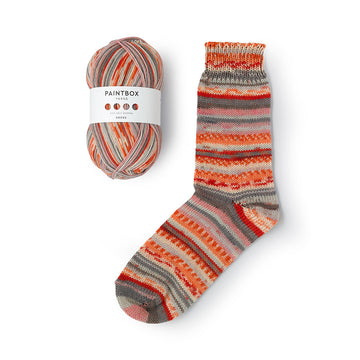 Paintbox Yarns Socks
€6,49
Paintbox Yarns Socks
€6,49
-
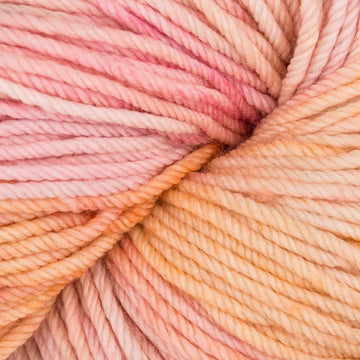 Malabrigo Rios
From €0,00
Malabrigo Rios
From €0,00
-
 Stylecraft Life DK
€4,46
Stylecraft Life DK
€4,46
-
 Malabrigo Worsted
€13,49
Malabrigo Worsted
€13,49
-
 Hoooked Ribbon XL Solids
€8,75
Hoooked Ribbon XL Solids
€8,75
-
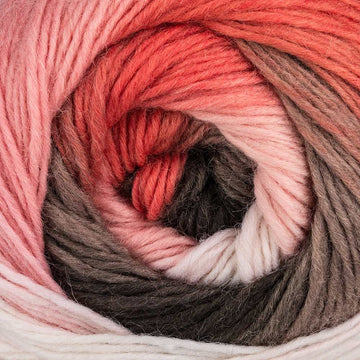 Viking Garn Nordlys
From €0,00
Viking Garn Nordlys
From €0,00
-
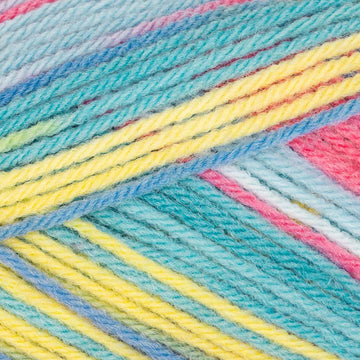 Paintbox Yarns Baby DK Prints
€2,99
Paintbox Yarns Baby DK Prints
€2,99
-
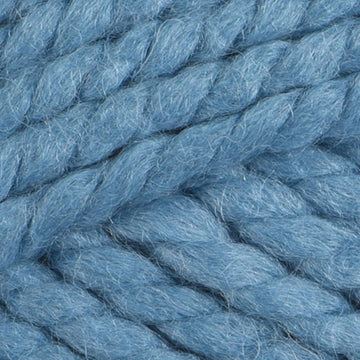 Lion Brand Wool Ease Thick & Quick
€11,99
Lion Brand Wool Ease Thick & Quick
€11,99
-
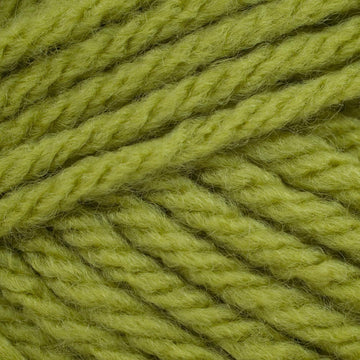 Hayfield Bonus Chunky
€3,59
Hayfield Bonus Chunky
€3,59
-
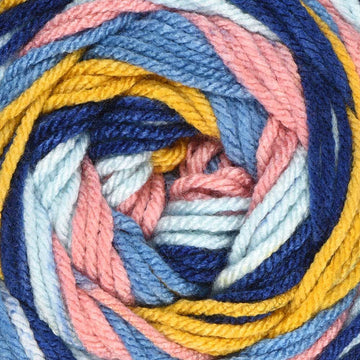 Paintbox Yarns Chunky Pots
€4,22
Paintbox Yarns Chunky Pots
€4,22
-
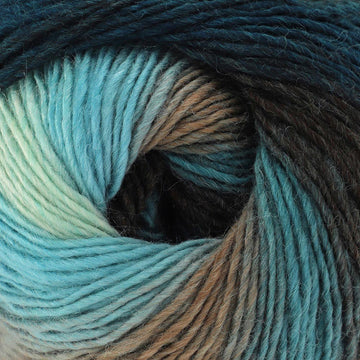 King Cole Riot DK
€6,49
King Cole Riot DK
€6,49
-
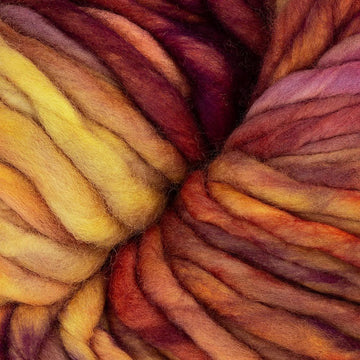 Malabrigo Rasta
€29,99
Malabrigo Rasta
€29,99
-
 Lion Brand Wool Ease
€6,49
Lion Brand Wool Ease
€6,49
-
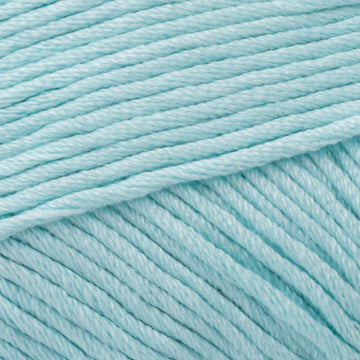 King Cole Bamboo Cotton DK
€7,19
King Cole Bamboo Cotton DK
€7,19
-
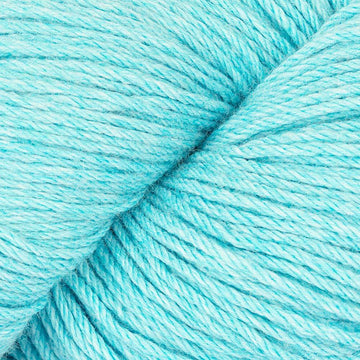 Berroco Vintage
From €0,00
Berroco Vintage
From €0,00
-
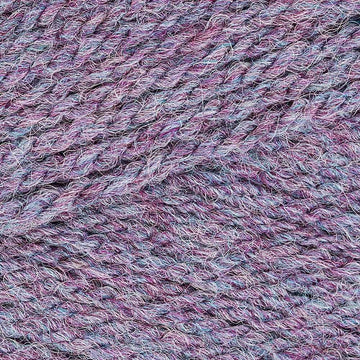 Hayfield Bonus Aran with Wool
€21,59
Hayfield Bonus Aran with Wool
€21,59
-
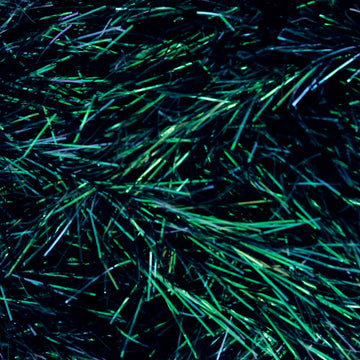 King Cole Tinsel Chunky
From €3,40
King Cole Tinsel Chunky
From €3,40
-
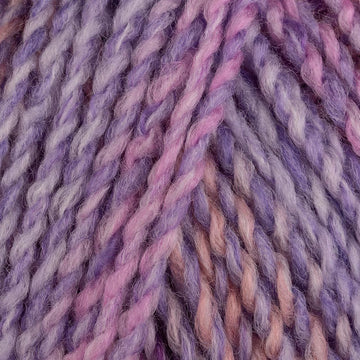 James C. Brett Marble Chunky
€7,59
James C. Brett Marble Chunky
€7,59
-
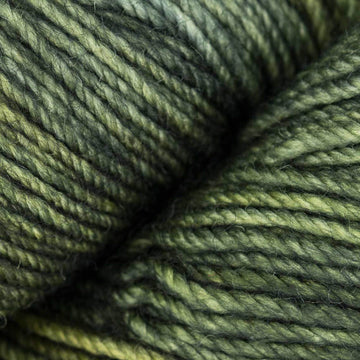 Malabrigo Sock
From €0,00
Malabrigo Sock
From €0,00
-
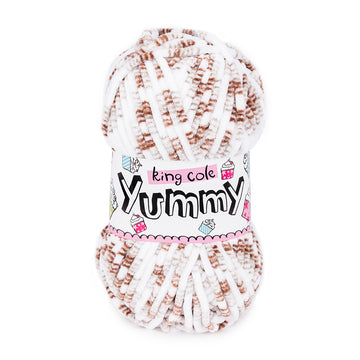 King Cole Yummy
€6,99
King Cole Yummy
€6,99
-
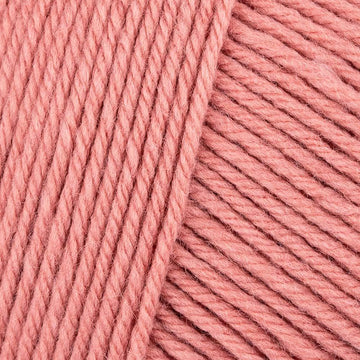 Rico Baby Classic DK
€5,29
Rico Baby Classic DK
€5,29
-
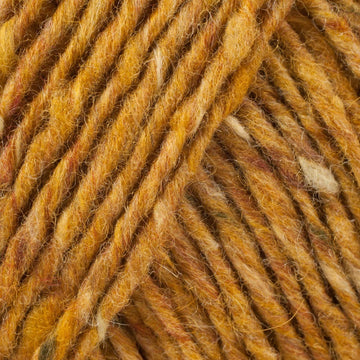 Debbie Bliss Donegal Luxury Tweed Aran
€4,22
Debbie Bliss Donegal Luxury Tweed Aran
€4,22
-
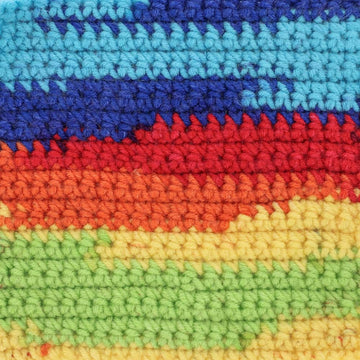 James C. Brett Party Time Chunky
€3,99
James C. Brett Party Time Chunky
€3,99
-
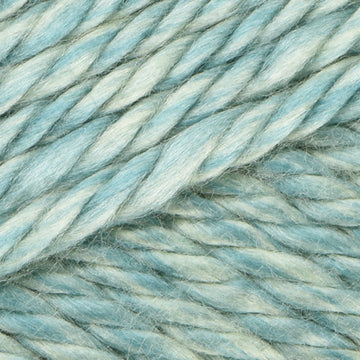 Lion Brand Hometown USA
From €4,89
Lion Brand Hometown USA
From €4,89
-
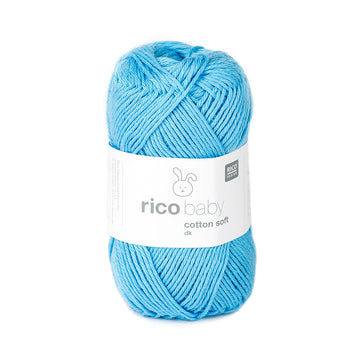 Rico Baby Cotton Soft DK
€4,69
Rico Baby Cotton Soft DK
€4,69
-
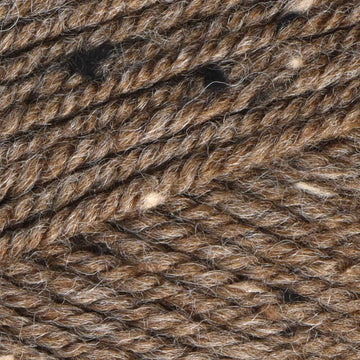 King Cole Fashion Aran
From €0,00
King Cole Fashion Aran
From €0,00
-
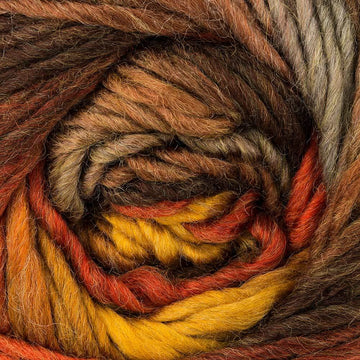 King Cole Riot Chunky
From €5,59
King Cole Riot Chunky
From €5,59
-
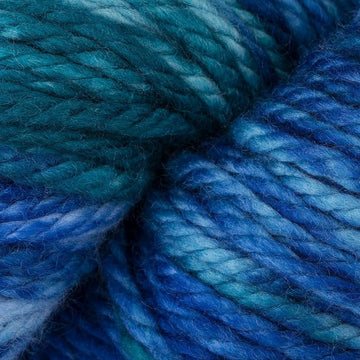 Malabrigo Chunky
€14,99
Malabrigo Chunky
€14,99
-
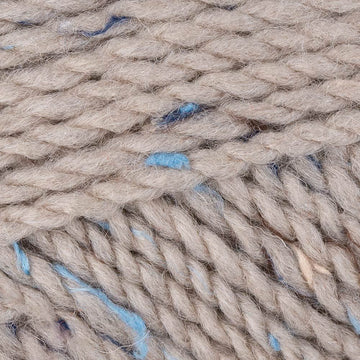 King Cole Chunky Tweed
€6,49
King Cole Chunky Tweed
€6,49
-
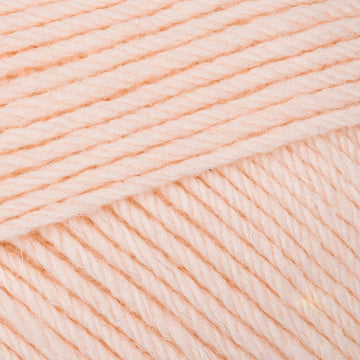 Rowan Pure Wool Superwash Worsted
€16,79
Rowan Pure Wool Superwash Worsted
€16,79
-
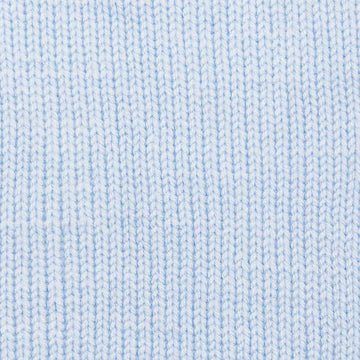 Patons Fab DK 100g
€3,49
Patons Fab DK 100g
€3,49
-
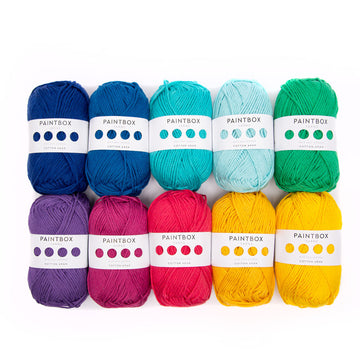 Paintbox Yarns Cotton Aran 10 Ball Colour Pack
€21,76
Paintbox Yarns Cotton Aran 10 Ball Colour Pack
€21,76


