What lace weight yarn actually is
Lace weight, sometimes called 2 ply, is one of the finest yarn in general use, with cobweb and 1 ply as the only finer options. A 25g ball can hold 200-400m or more, which is why a whole shawl often comes from one or two balls. Typical needles run from 2mm up to 4mm or larger, and the choice of needle changes everything: worked tightly, lace yarn makes a dense, slow fabric; worked loosely on a needle several sizes above the ball band, it produces the airy, open cloth that lace is famous for. Some pieces, notably traditional wedding shawls, are worked so fine that the finished shawl passes through a wedding ring.
The fibre families in this collection
- Mohair and silk blends such as Kidsilk Haze and Silkhair: a soft halo, extremely light, and warmer than they look. They’re wonderful when held double with another yarn.
- Fine merino such as Rialto Lace and Fine Lace: crisp stitch definition, springy, and the best choice for structured lace patterns where you want each yarn-over to stay open.
- Alpaca and alpaca-silk such as Alpaca Lace and Silkpaca: heavy drape, real warmth and a soft sheen, ideal for a shawl that hangs rather than stands.
- Linen and plant fibres such as Katia Lino: cool, matt and crisp, better for summer wraps than for warmth.
- Baby lace yarns such as Angel, used for christening shawls where softness matters most.
Working with fine yarn without losing your mind
Three practical things make lace knitting far easier. First, lifelines: thread a length of smooth contrast yarn through every stitch on the needle at the end of a repeat, and if you make a mistake, you can rip back to that row rather than all the way back to the cast-on. Second, good light and a plain background; a dark lap blanket under pale yarn does more for accuracy than any gadget. Third, stitch markers between pattern repeats, so an error is trapped within one repeat instead of being discovered forty stitches later. Count your stitches at the end of each pattern row and stop when the count is wrong, not when the shape starts looking odd.
Holding lace yarn double
Mohair-silk in particular is frequently held together with a second yarn, either another strand of itself or a 4 ply, to create a halo over a solid base. This is how people get that soft, slightly blurred surface on jumpers. If you do it, swatch the combination rather than assuming, because two strands of lace do not reliably equal a 4 ply, and the resulting fabric is usually lighter and warmer than the stitch count suggests.
Blocking, which is not optional
Unblocked lace looks like a crumpled dishcloth. Soak the finished piece in lukewarm water with a little wool wash for twenty minutes, press the water out in a towel without wringing, then pin it out firmly on foam mats or a spare bed, opening every point and every yarn-over. Blocking wires along a straight edge give a far neater line than pins alone. Leave it until completely dry, sometimes a full day, before unpinning. The transformation between the wet lump and the dry shawl is the most satisfying moment in knitting.
Care and storage
Hand wash in lukewarm water only, and never agitate mohair, which felts and mats readily. Dry flat, reshaping as it dries. Store shawls folded loosely in a drawer with a moth deterrent rather than hanging, since the weight of a wet or even a dry lace piece will distort the points over time. If a mohair piece flattens with wear, a gentle brush restores the halo.
Lace yarn questions
What weight is lace yarn? The finest standard weight, roughly 2 ply, with cobweb and 1 ply finer again.
What needle size for lace weight yarn? Anywhere from 2mm to 4mm or larger; bigger needles give the open fabric most lace patterns want.
How much lace yarn for a shawl? Often one or two 25g or 50g balls, but always work from the pattern's metreage.
Can I knit lace yarn on its own for a jumper? Yes, though it takes a long time. Many knitters hold it double with a 4 ply instead.
Do I have to block lace? Yes. The pattern only appears once the piece is soaked and pinned out to dry.


 Rowan Kidsilk Haze
From €0,00
Rowan Kidsilk Haze
From €0,00
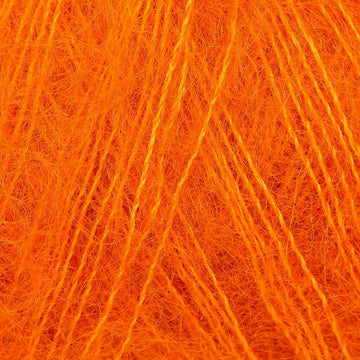 Debbie Bliss Angel
€11,49
Debbie Bliss Angel
€11,49
 Lana Grossa Silkhair
From €0,00
Lana Grossa Silkhair
From €0,00
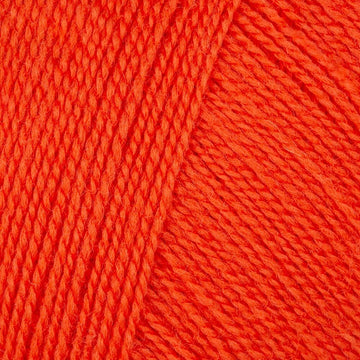 Debbie Bliss Rialto Lace
From €4,39
Debbie Bliss Rialto Lace
From €4,39
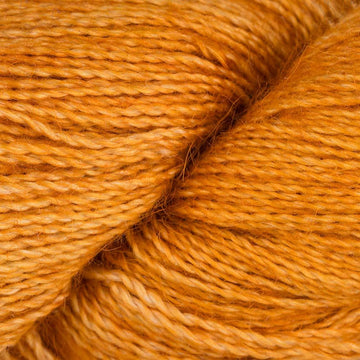 Malabrigo Silkpaca
From €0,00
Malabrigo Silkpaca
From €0,00
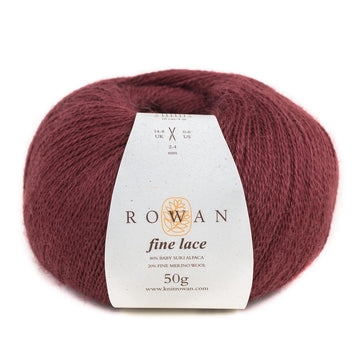 Rowan Fine Lace
From €7,80
Rowan Fine Lace
From €7,80
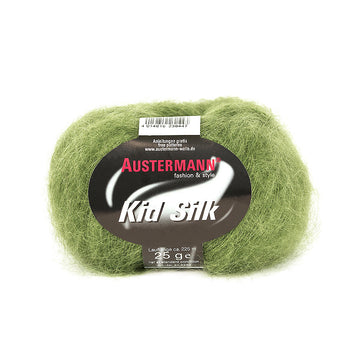 Austermann Kid Silk
€8,45
Austermann Kid Silk
€8,45
 Cascade Yarns Alpaca Lace
€12,49
Cascade Yarns Alpaca Lace
€12,49
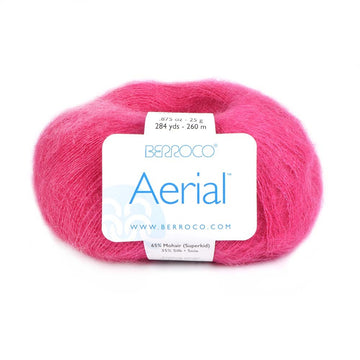 Berroco Aerial
From €0,00
Berroco Aerial
From €0,00
 ITO Sensai
€16,99
ITO Sensai
€16,99
 Rowan Kidsilk Haze Colour
€12,25
Rowan Kidsilk Haze Colour
€12,25
 Sirdar Snuggly 2 Ply 50g
€6,99
Sirdar Snuggly 2 Ply 50g
€6,99
 Cascade Yarns Kid Seta
€10,19
Cascade Yarns Kid Seta
€10,19
 Stylecraft Head over Heels Colours of the World Australia
€5,87
Stylecraft Head over Heels Colours of the World Australia
€5,87
 Rowan Colours by Kaffe Fassett Kidsilk Haze
€12,79
Rowan Colours by Kaffe Fassett Kidsilk Haze
€12,79
 Valley Yarns Hatfield
From €0,00
Valley Yarns Hatfield
From €0,00


