

Bag Knitting Patterns
Knitted bag patterns to download: market totes and string bags, felted shoppers, cabled project bags, beach bags, clutches and simple drawstring pouches. Free knitting bag patterns sit alongside paid PDFs, in weights from cotton 4 ply for a stretchy mesh tote to super chunky for a bag that stands up on its own. See more knitted accessories, browse ready-made bags, or find cotton yarn to knit with.
read more
-
 Knit and Felted Purse - Summer Sun Tote
€4,87
Knit and Felted Purse - Summer Sun Tote
€4,87
-
 Wine Gift Bag
€4,68
Wine Gift Bag
€4,68
-
 Coin Pocket - Monster Fish
€3,83
Coin Pocket - Monster Fish
€3,83
-
 Ane x Imouto Children's Envelope Bags
€4,33
Ane x Imouto Children's Envelope Bags
€4,33
-
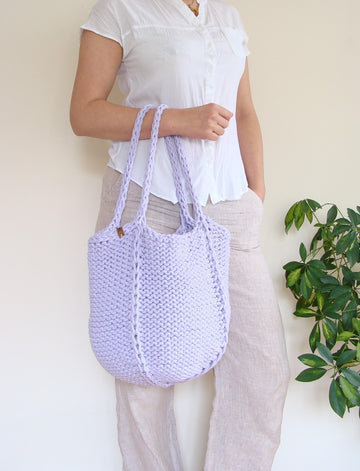 Large Knit Tote Bag
€5,88
Large Knit Tote Bag
€5,88
-
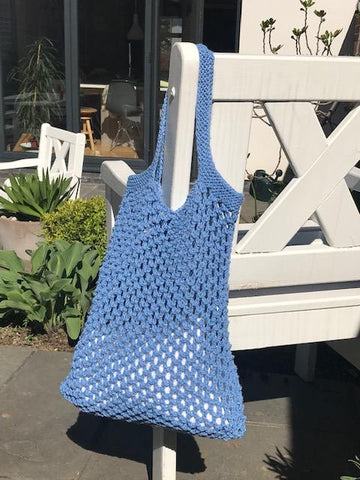 Towngate Knitted Market Bag
€3,50
Towngate Knitted Market Bag
€3,50
-
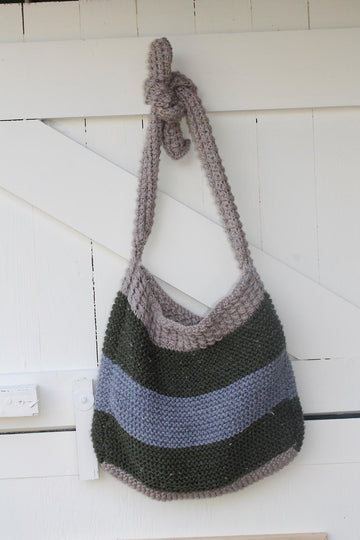 Big Bag
€3,08
Big Bag
€3,08
-
 Knitted Felt Carnival Bag
€4,30
Knitted Felt Carnival Bag
€4,30
-
 Purple bag with bobbles and cables
€5,20
Purple bag with bobbles and cables
€5,20
-
 Christmas Snowman Wine Bottle Drawstring Cover
€4,36
Christmas Snowman Wine Bottle Drawstring Cover
€4,36
-
 Scallop Purse & Knitting Bag
€5,46
Scallop Purse & Knitting Bag
€5,46
-
 Knitted Clutch Bag
€0,70
Knitted Clutch Bag
€0,70
-
 Easter Chick Drawstring Bag
€3,50
Easter Chick Drawstring Bag
€3,50
-
 Crazy market bag
€3,70
Crazy market bag
€3,70
-
 689P - Knitted Purse Handbag, Handles, Flower, and Leaf
€4,06
689P - Knitted Purse Handbag, Handles, Flower, and Leaf
€4,06
-
 Christmas Mini Gift Bags
€2,65
Christmas Mini Gift Bags
€2,65
-
 'U Style' Scarf Bag
€5,20
'U Style' Scarf Bag
€5,20
-
 Felt Like Tweed Bag with bonus Cellphone Mini-Purse
€3,25
Felt Like Tweed Bag with bonus Cellphone Mini-Purse
€3,25
-
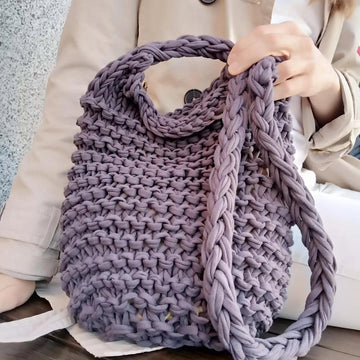 Shoulder bag from T-shirt yarn
€8,63
Shoulder bag from T-shirt yarn
€8,63
-
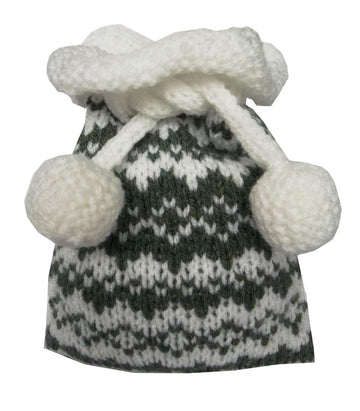 Christmas Gift Bag. Norwegian Stripe
€5,83
Christmas Gift Bag. Norwegian Stripe
€5,83
-
 RYTA MINI Felted Coin Purse
€3,51
RYTA MINI Felted Coin Purse
€3,51
-
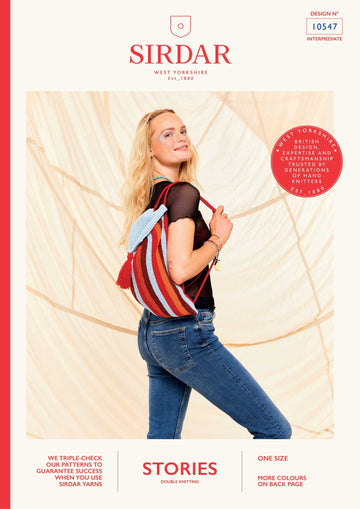 Backstage Pass Bag in Sirdar Stories DK in Sirdar - 10547 - Downloadable PDF
€4,60
Backstage Pass Bag in Sirdar Stories DK in Sirdar - 10547 - Downloadable PDF
€4,60
-
 Precious Purses ,Beaded Bags
€8,11
Precious Purses ,Beaded Bags
€8,11
-
 Shoulder Bag
€1,17
Shoulder Bag
€1,17
-
 Knitted Lace Coin Pouch
€1,30
Knitted Lace Coin Pouch
€1,30
-
 Beaded clutch and handled bags
€4,67
Beaded clutch and handled bags
€4,67
-
 Good day sunshine
€6,50
Good day sunshine
€6,50
-
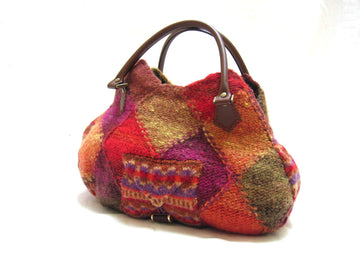 Eastwood Bag
€4,37
Eastwood Bag
€4,37
-
 Halloween Treat Goody Bags
€3,97
Halloween Treat Goody Bags
€3,97
-
 Singlet and Purse
€5,35
Singlet and Purse
€5,35
-
 Butterfly Bag
€1,73
Butterfly Bag
€1,73
-
 Market bag knit
€4,00
Market bag knit
€4,00
-
 Holiday Shopping Bag, in Two Sizes!
€3,03
Holiday Shopping Bag, in Two Sizes!
€3,03
-
 Little Flower Handbag
€2,60
Little Flower Handbag
€2,60
-
 Fruit Market Drawstring Bag
€4,66
Fruit Market Drawstring Bag
€4,66
-
 Nanjing
€2,55
Nanjing
€2,55
-
 Boho Bag
€5,82
Boho Bag
€5,82
-
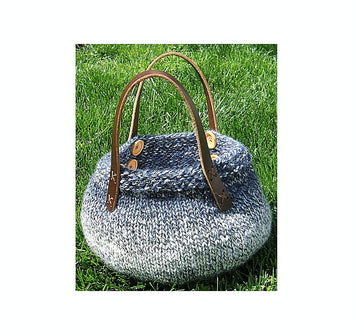 Knitting Bowl on the Go!
€5,19
Knitting Bowl on the Go!
€5,19
-
 Sassy Summer Handbag
€5,34
Sassy Summer Handbag
€5,34
-
 The Essentials Bag
€5,95
The Essentials Bag
€5,95
-
 Little Knitted Bag
€2,92
Little Knitted Bag
€2,92
-
 Mini Dress Set for Dolls
€3,79
Mini Dress Set for Dolls
€3,79
-
 Angela Skirt and Purse
€5,41
Angela Skirt and Purse
€5,41
-
 Spooky Witch Halloween Sweetie Bag Pattern
€2,16
Spooky Witch Halloween Sweetie Bag Pattern
€2,16
-
 Aran Shopper Bag
€5,00
Aran Shopper Bag
€5,00
-
 Stash-Eater Bag
€5,33
Stash-Eater Bag
€5,33
-
 Easy Knit French Market Bag
€1,73
Easy Knit French Market Bag
€1,73
-
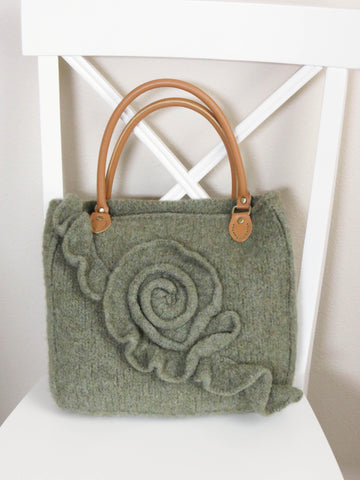 Ruffle Rose Tote
€4,87
Ruffle Rose Tote
€4,87
-
 Kids Mini Heart Bag
€2,10
Kids Mini Heart Bag
€2,10


