

Afghan Knitting Patterns
Afghan knitting patterns for throws to drape over the end of a bed or the back of a chair, from mitred squares and modular strips to cabled panels, textured sampler blankets and simple garter throws you can knit in front of the television. Sizes range from lap blanket to full bed cover, with yarn quantities given per size. See also blanket knitting patterns, cushions to match in cushion knitting patterns, or small versions in baby blanket knitting patterns.
read more
-
 Star Stitch Afghan in Patons Decor
€0,00
Star Stitch Afghan in Patons Decor
€0,00
-
 Multidirectional Afghan in Lion Brand Homespun - L32270
€0,00
Multidirectional Afghan in Lion Brand Homespun - L32270
€0,00
-
 Zig-Zag Afghan in Bernat Super Value
€0,00
Zig-Zag Afghan in Bernat Super Value
€0,00
-
 Champagne by Night Speed Stix Afghan in Lion Brand Jiffy - 60253
€0,00
Champagne by Night Speed Stix Afghan in Lion Brand Jiffy - 60253
€0,00
-
 Snowbird Afghan in Patons Decor
€0,00
Snowbird Afghan in Patons Decor
€0,00
-
 Basketweave Afghan in Caron United - Downloadable PDF
€0,00
Basketweave Afghan in Caron United - Downloadable PDF
€0,00
-
 Afghan in Schachenmayr Merino Extrafine 40 - S9033 - Downloadable PDF
€0,00
Afghan in Schachenmayr Merino Extrafine 40 - S9033 - Downloadable PDF
€0,00
-
 Diagonal Squares Afghan in Lion Brand Vanna's Choice
€0,00
Diagonal Squares Afghan in Lion Brand Vanna's Choice
€0,00
-
 Radiant Squares Afghan in Lion Brand Vanna's Choice and Amazing - L10749
€0,00
Radiant Squares Afghan in Lion Brand Vanna's Choice and Amazing - L10749
€0,00
-
 Homespun Pinwheel Afghan in Lion Brand Homespun - 1216A
€0,00
Homespun Pinwheel Afghan in Lion Brand Homespun - 1216A
€0,00
-
 6-Hour Afghan in Lion Brand Homespun - 80216AD
€0,00
6-Hour Afghan in Lion Brand Homespun - 80216AD
€0,00
-
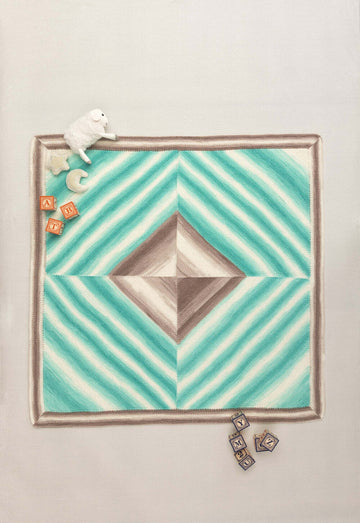 Four Square Baby Afghan in Lion Brand Ice Cream - L60356 - Downloadable PDF
€0,00
Four Square Baby Afghan in Lion Brand Ice Cream - L60356 - Downloadable PDF
€0,00
-
 Earthtone Tiles Afghan in Lion Brand Wool-Ease
€0,00
Earthtone Tiles Afghan in Lion Brand Wool-Ease
€0,00
-
 Textured Afghan in Bernat Super Value
€0,00
Textured Afghan in Bernat Super Value
€0,00
-
 Feather and Fan Afghan in Bernat Satin
€0,00
Feather and Fan Afghan in Bernat Satin
€0,00
-
 Stripes and Cables Afghan in Bernat Super Value
€0,00
Stripes and Cables Afghan in Bernat Super Value
€0,00
-
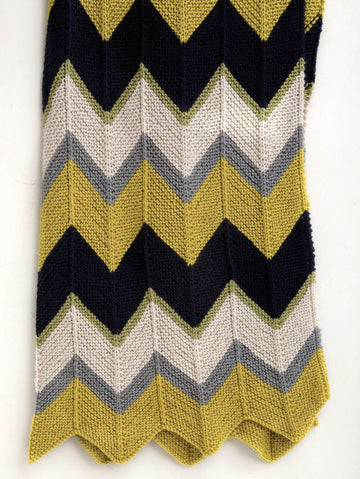 Updated Ripple Afghan in Lion Brand Vanna's Choice
€0,00
Updated Ripple Afghan in Lion Brand Vanna's Choice
€0,00
-
 Textured Afghan in Caron United - Downloadable PDF
€0,00
Textured Afghan in Caron United - Downloadable PDF
€0,00
-
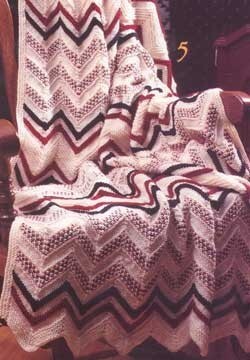 Woven Look Afghan in Patons Decor
€0,00
Woven Look Afghan in Patons Decor
€0,00
-
 Herringbone Afghan in Bernat Super Value
€0,00
Herringbone Afghan in Bernat Super Value
€0,00
-
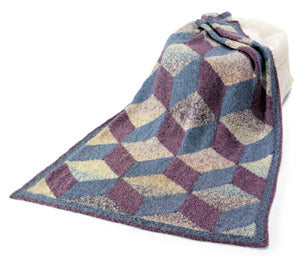 Homespun Tumbling Blocks Afghan in Lion Brand Homespun - 930
€0,00
Homespun Tumbling Blocks Afghan in Lion Brand Homespun - 930
€0,00


